
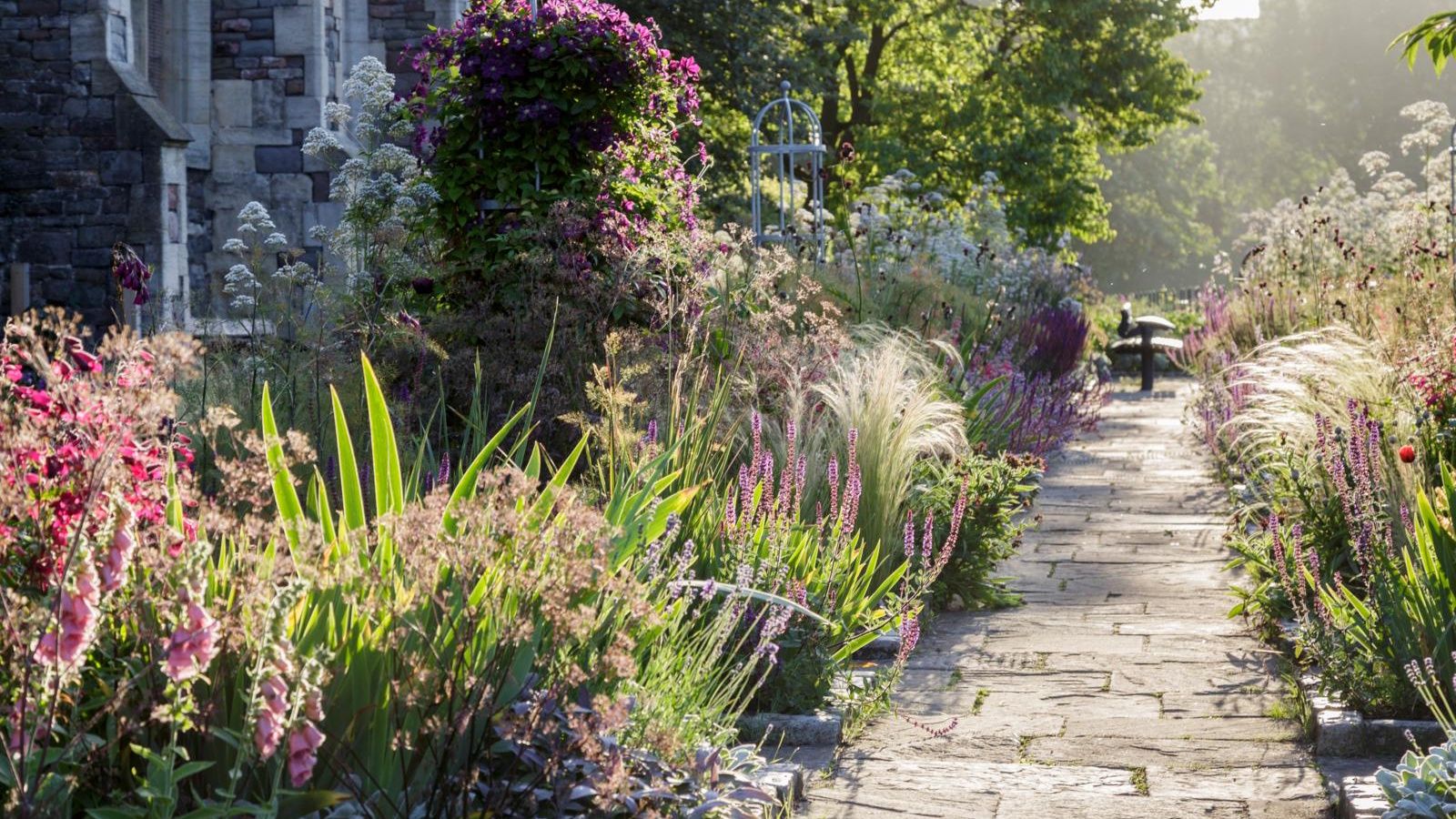
Winter is often a time of reflection, where we start to think about how we want our gardens to look next year. Among the plants we switch out, it’s important to establish some reliable foundations that provide a framework for the yard.
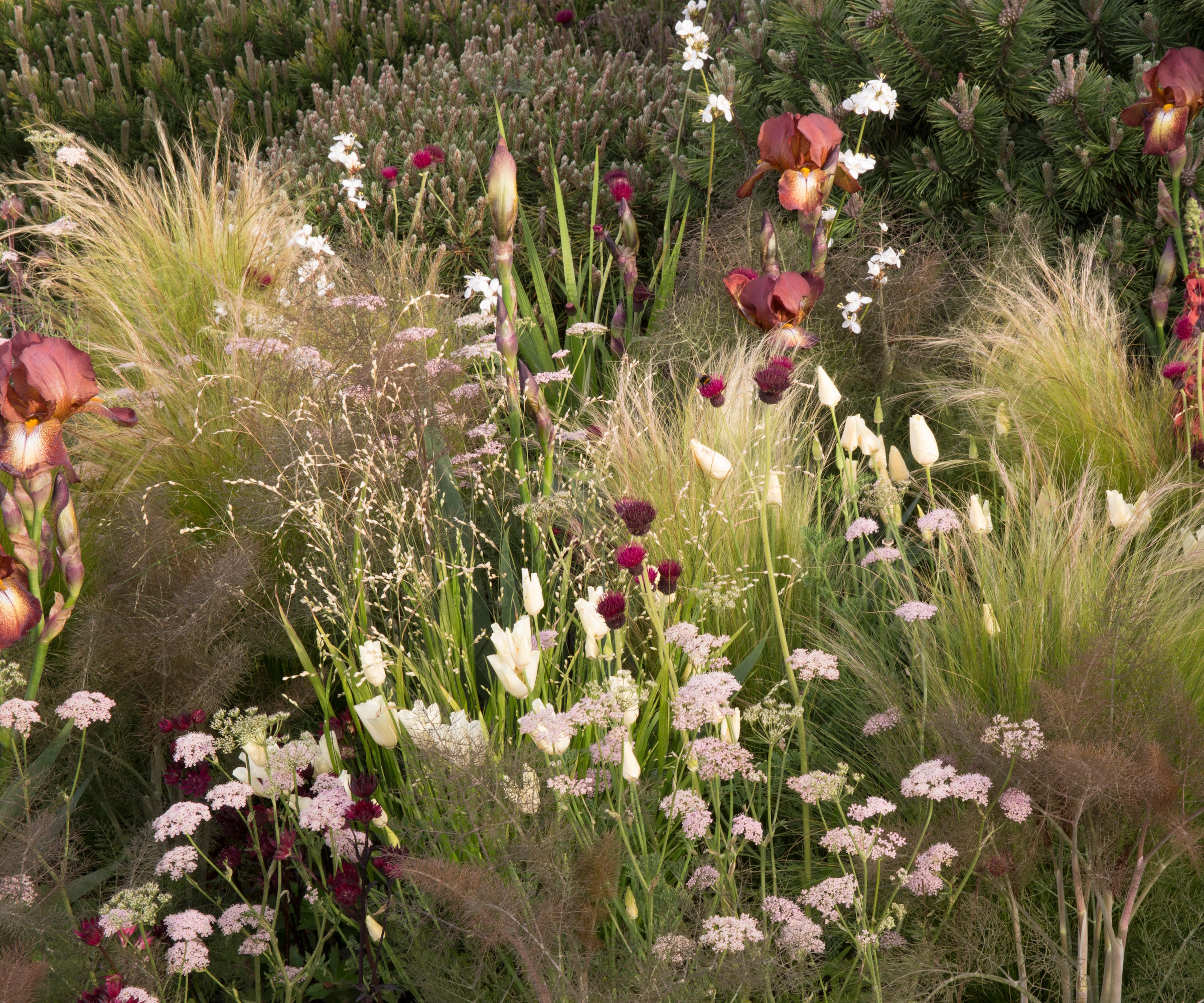
I recently spoke to some of the experts at Chicago Botanic Garden who revealed one of their favorite ways to do this: planting ornamental grass and bulb pairings. They explain the grasses provide a permanent foundation, decorated by spring bulbs. The grasses then hide the unsightly fading flowers and foliage later in the year, making it an effective duo.
You may like
(Image credit: A Garden via Alamy)
3 Stunning Ornamental Grass and Bulb Pairings
This design trick is most effective when you naturalize bulbs, i.e. plant them in a way that allows them to spread and multiply on their own. Each spring, they’ll pop up and offer some color among the ornamental grasses without you having to replant each year. It’s one of the best ways to achieve naturalistic planting.
1. Moor Grass and Daffodils
(Image credit: Delphine Adburgham/imageBROKER.com via Alamy)Best for: meadow-style planting
This ornamental grass and bulb pairing comes straight from Chicago Botanic Garden, specifically the Shida Evaluation Garden.
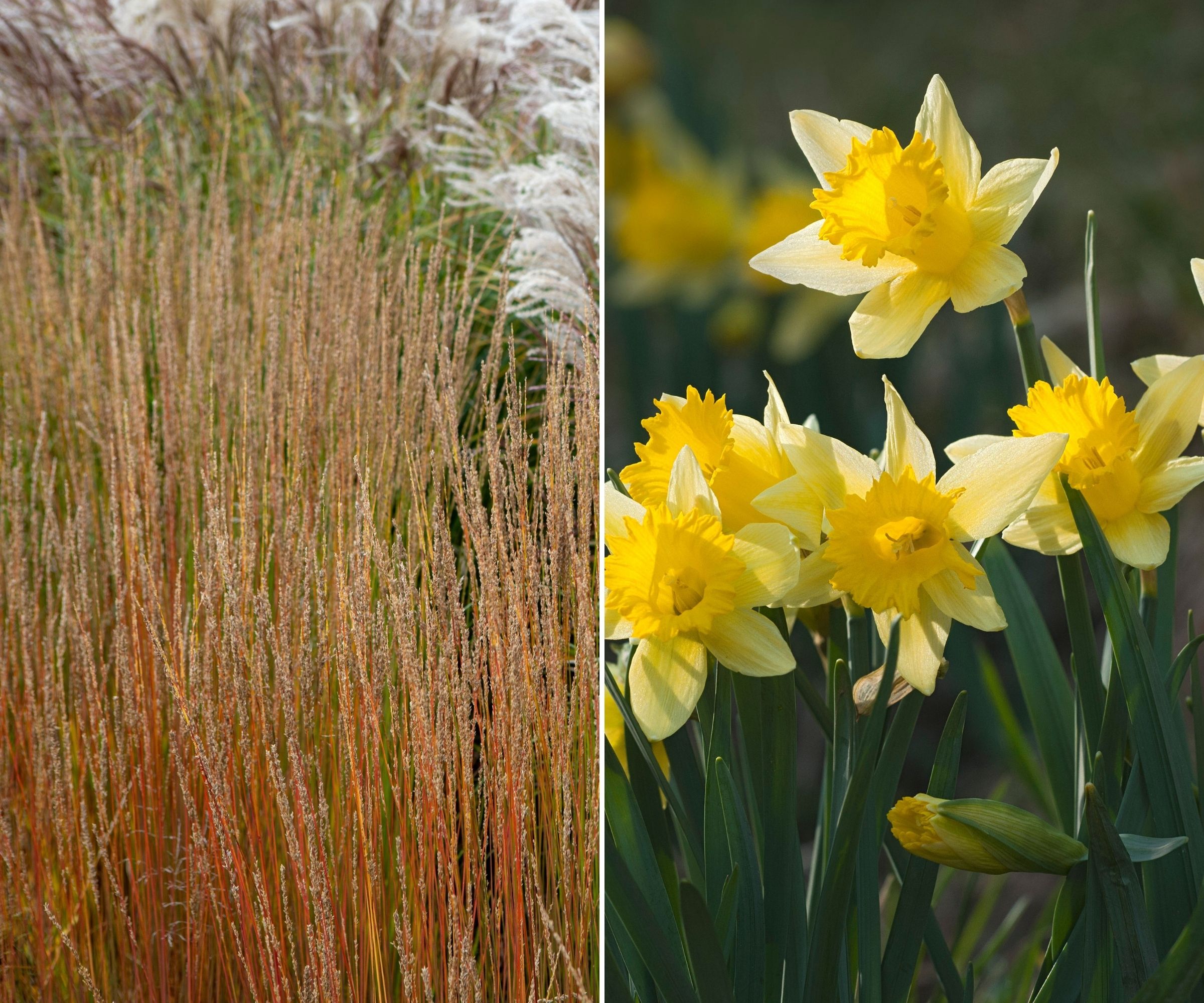
There, mounds of moor grass offer year-round interest, turning from deep green in summer to bronze and orange in fall.
As spring comes along, 20,000 daffodils emerge on the mounds. At this time, the moor grass has new growth with light green blades forming a backdrop to the sea of daffodils.
As the daffodils die back, the moor grass fills out to offer dense foliage that hides the fading daffodils.
Alongside this effortless cycle the pair go through, they also work well together because they thrive in a well-draining soil type.
Plus, moor grass forms tight root clumps that don’t disrupt or damage daffodil bulbs beneath the ground.
You may like
You can personalize this to your garden color scheme by choosing from the many types of narcissus and moor grasses, including the striking purple moor grass (Molinia caerulea).
Explore daffodil bulbs at Burpee.
Find moor grass seeds on Amazon.
2. Fountain Grass and Alliums
(Image credit: H. Mark Weidman Photography/Peter Stone via Alamy)Best for: dramatic texture
If you’re looking for an ornamental grass and bulb pairing for height in the middle or back of the border, grass and lawn expert Steven Corcoran recommends fountain grass and alliums.
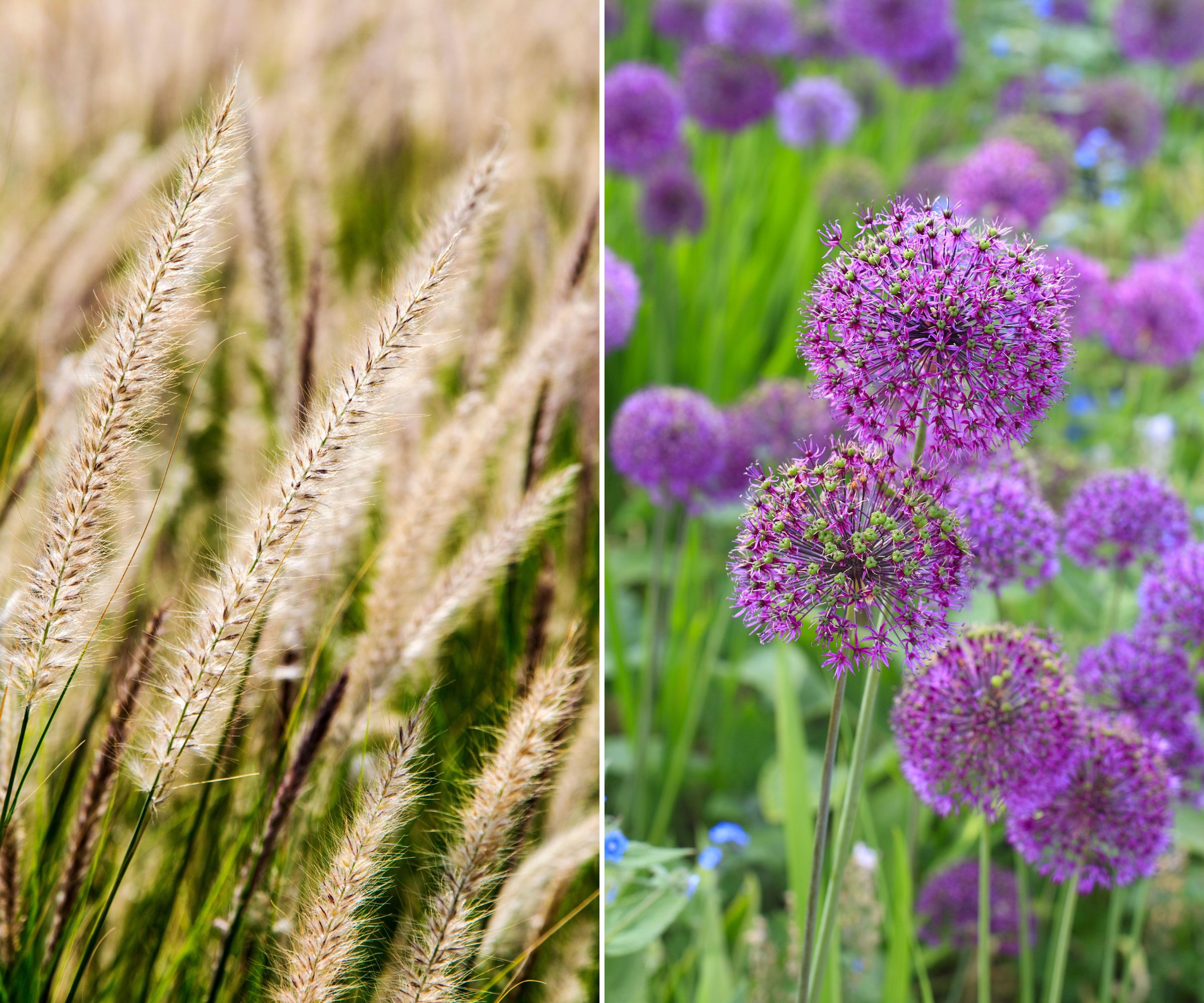
‘In early spring you want to cut back fountain grass to encourage new healthy growth,’ Steve says. ‘Tall alliums, like ‘Purple Sensation’ (bulbs from Amazon), provide height during this time,’ he adds.
As the fountain grass puts on new growth, it adds texture to this display.
Towards the ends of summer, fountain grass flowers form, with fluffy foxtail blooms taking over interest as allium flowers fade.
Once again, there are lots of allium bulbs and types of fountain grass to choose from, so you can personalize how much their height differs in your yard.
For example, ‘Purple Sensation’ stands tall at around 30 inches, looking even more dramatic when underplanted by 12-inch ‘Little Bunny’ fountain grass. The latter also has a pink tint to its flowers in later summer and fall, nodding to the purple alliums that were previously blooming there.
Explore allium bulbs at Burpee.
Explore fountain grass varieties at Nature Hills.
 Steven Corcoran
Social Links Navigation
Garden Expert
Steven Corcoran is the CEO of Lawn Love, a company that is bringing high-tech solutions to the lawn care industry. Lawn Love has helped thousands of commercial and residential customers connect with the absolute best local lawn care professionals.
3. Leatherleaf Sedge and Crocus
(Image credit: STUDIO75/Clare Gainey via Alamy)
Best for: front of the border
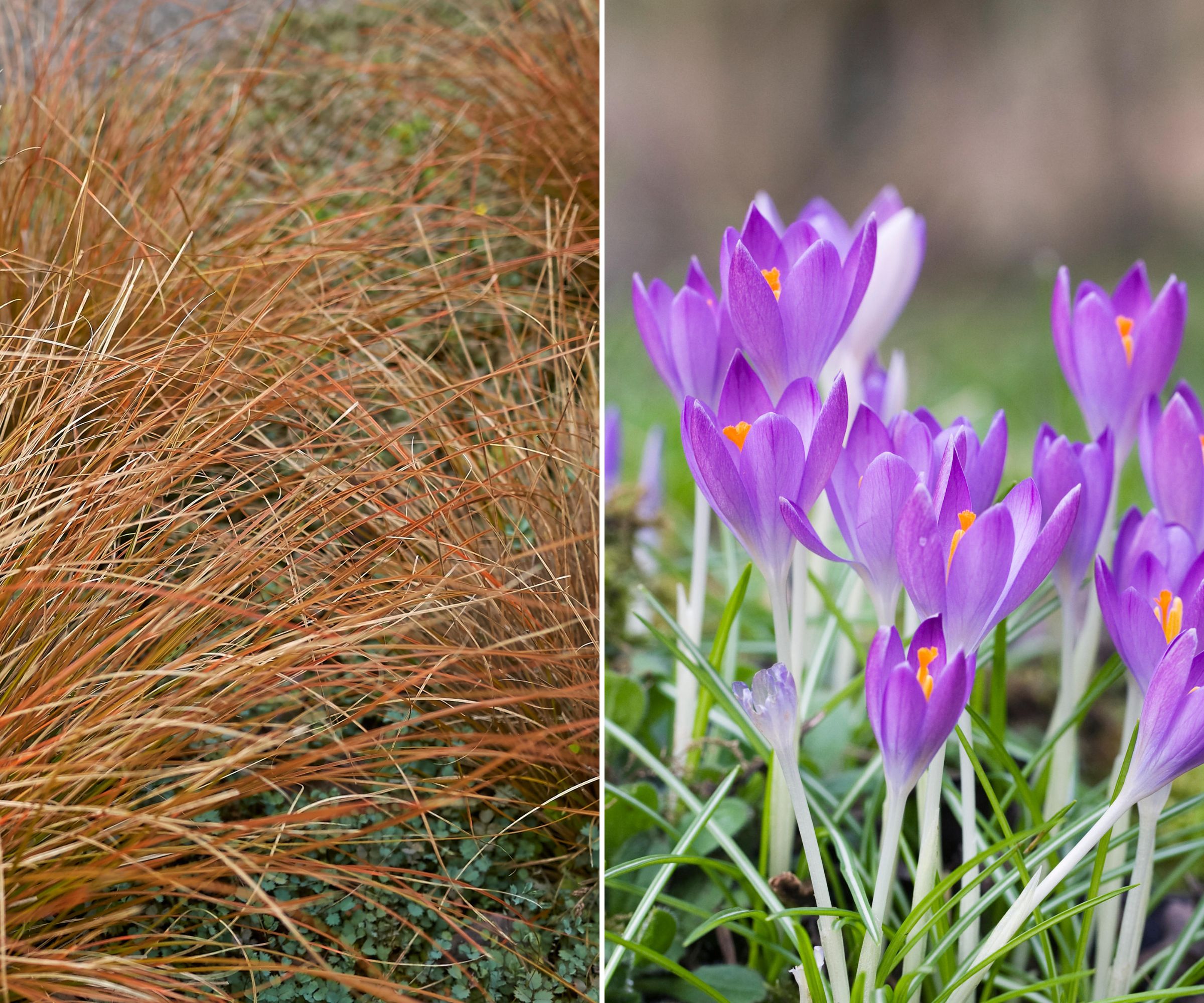
For the front of a border, or even in a container, one of the best ornamental grass and bulb pairings is leatherleaf sedge and crocus bulbs – though crocus is technically a corm.
This is because both are shorter in height, with leatherleaf sedge forming clumps no taller than a couple of feet. You can then plant crocus to sit in front, reaching a height of six inches and adding bright pops of white, purple, and yellow to a backdrop of coppery foliage.
The beauty of this pairing is that you can also plant fall crocus for successional blooming just a few months after spring crocus fades, extending the display.
They work well together as companion plants, both preferring well-draining soil and a full sun position.
Find spring crocus bulbs on Amazon.
You can also try swapping out leatherleaf sedge for the many other types of sedge grass (view the selection available at Nature Hills).
FAQsCan I Grow Ornamental Grasses and Bulbs Together in a Pot?
Yes, you can grow the best ornamental grasses and bulb pairings in a pot, so long as both are suited to this environment. It can bring stunning texture and color to your container garden, as well as year-round interest. Pots will work best for grasses and bulbs that like well-draining soil and don’t mind being contained, otherwise you may end up with pot-bound plants. Just take care to use a planter large enough for a dynamic display like this, providing sufficient room for both plant’s roots.
When creating your ornamental grass and bulb planting scheme, make sure not to make bulb planting mistakes. This includes planting them at the wrong depth. The below bulb planting accessories can help make your efforts a success:
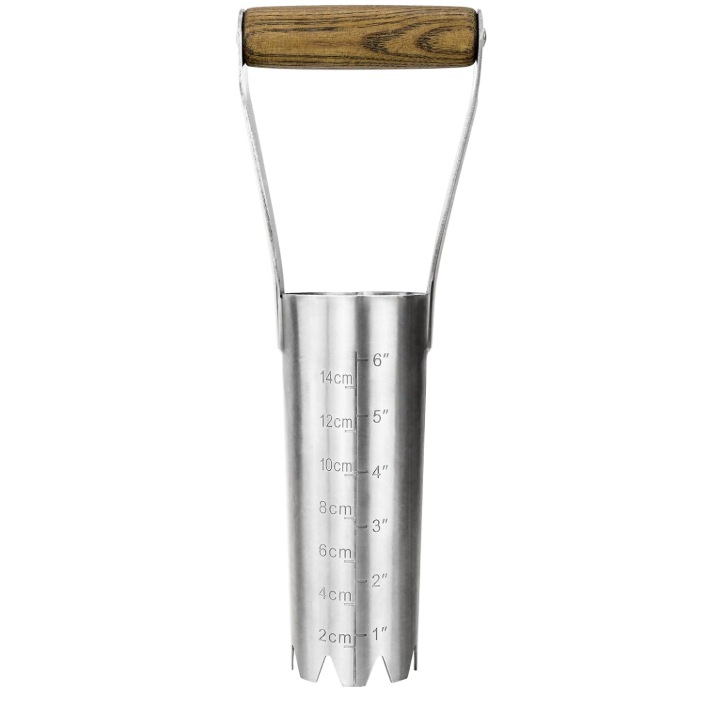
This bulb planter cuts out a perfect hole to plant bulbs. It has a depth marker so you can be sure you’re planting to the needs of the specific bulb you’re working with.

This beautiful canvas garden apron has multiple pockets to hold all of your garden tools. It has a neck and wait tie which can be adjusted to a comfortable fit.
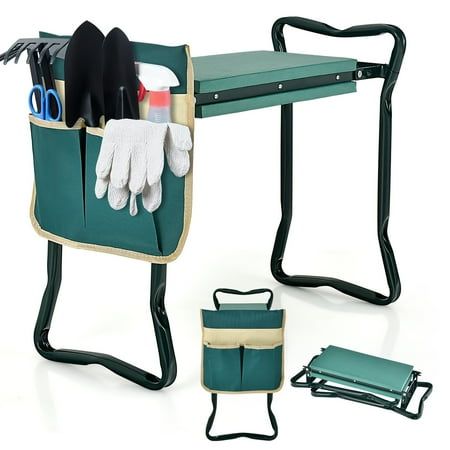
Gardener Kneeler and Bench
This 2-in-1 garden kneeler and bench makes gardening jobs less strenuous. It also has a caddy to hold garden tools while working in the yard.
Comments are closed.