
Gardeners up and down the UK are being urged to take action in December – using coffee granules. When the rain returns and the weather turns cold, wet and miserable, gardens end up attracting unwanted pests of all kinds – and the humble slug must be the most detested of all for anyone with even a casual interest in gardening.
While the peak of slug season has passed, the pesky molluscs stealthily breed and lay eggs over the winter, meaning they’ll all come back in explosive numbers again when you’re trying to grow your prized fruit, veg and flowers in 2026.
The voracious pests will stop at nearly nothing to strip your garden of everything you lovingly planted, chewing through strawberries, raspberries, tomato plants, potato foliage and every type of flower in their quest to satisfy their seemingly unending hunger.
And as the weather turns wetter and the nights draw longer, slugs and snails will have optimum conditions to spread through your garden and, what’s worse, lay their eggs for next year.
But gardeners are sharing a top tip which can help control and repel slug populations before that happens – instant coffee.
Cheap coffee grounds aren’t just a way to perk up your morning routine, but they can also hand everything growing in your garden a boost too.
Caffeine is toxic to slugs and snails and some garden experts therefore swear by it as a method of pest control.
Word of warning, though, coffee is a very painful method for slugs to die, worse than salt, so don’t apply coffee grounds directly to any slugs or snails (stomping on them would be much quicker and less cruel).
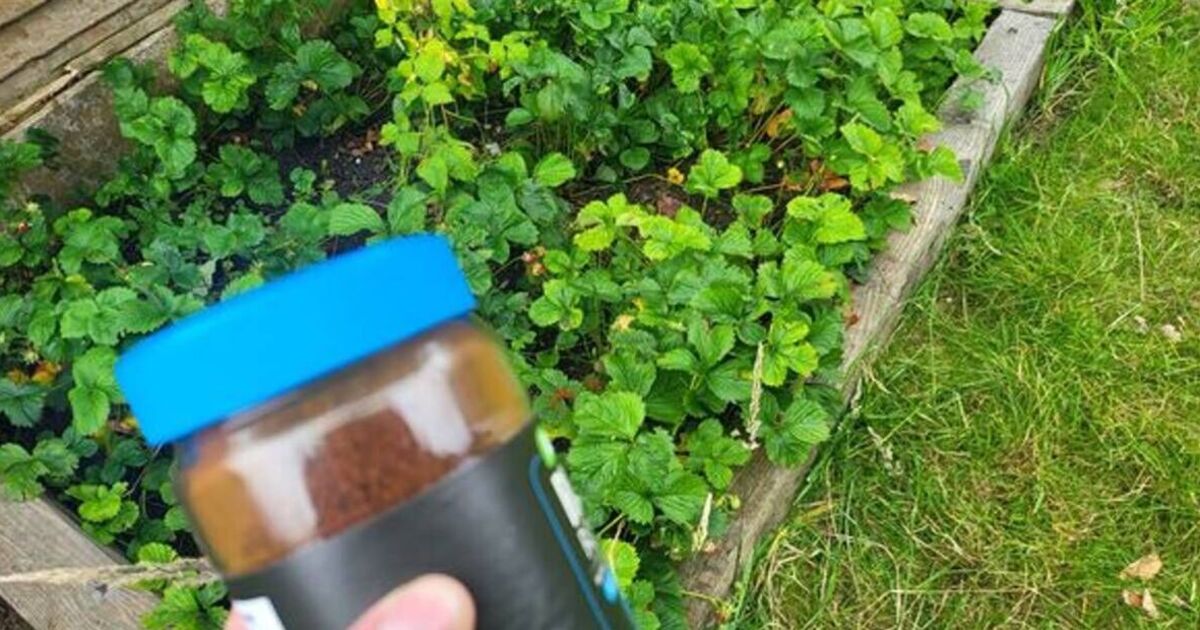
Instead just sprinkle the coffee grounds onto soil and around raised beds or pots during dry, clear weather, and then when it does rain, the slugs won’t cross the coffee, thereby protecting your precious flowers and crops.
In studies, coffee grounds were found to reduce slug and snail numbers by between 50% and 90%.
The coffee won’t have any harmful effects on your plants either, in fact some studies have found that caffeine actually boosts plant growth.
Comments are closed.