
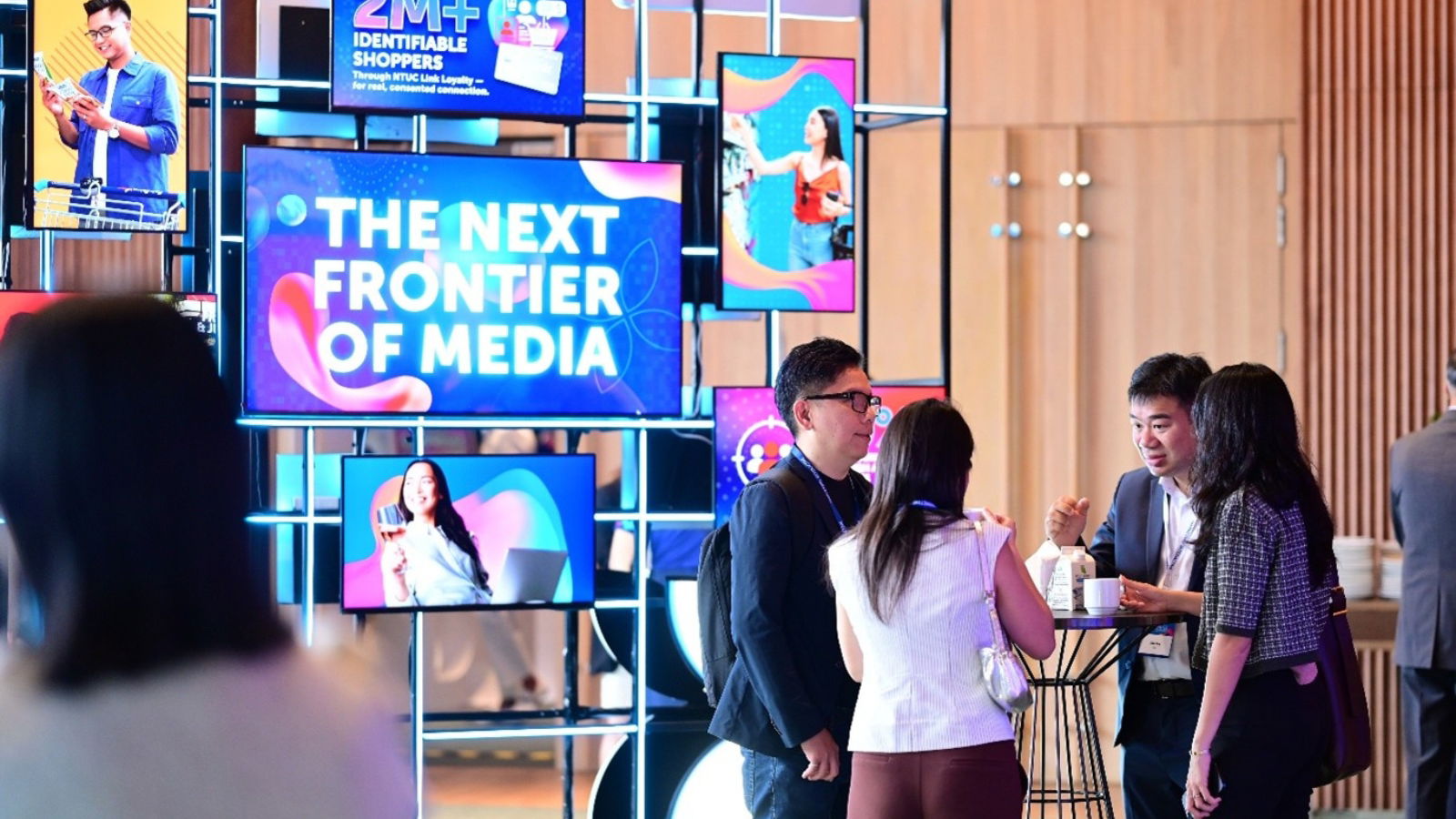
Retail media is, by all accounts, one of the fastest growing segments in digital marketing. Yet, for many marketers in Asia, it remains a fragmented and frustrating landscape. The industry is caught in a tug-of-war between two disconnected worlds: the multi-billion-dollar budgets of brand marketing, focused on long-term storytelling, and the tactical, performance-driven budgets of trade and shopper marketing.
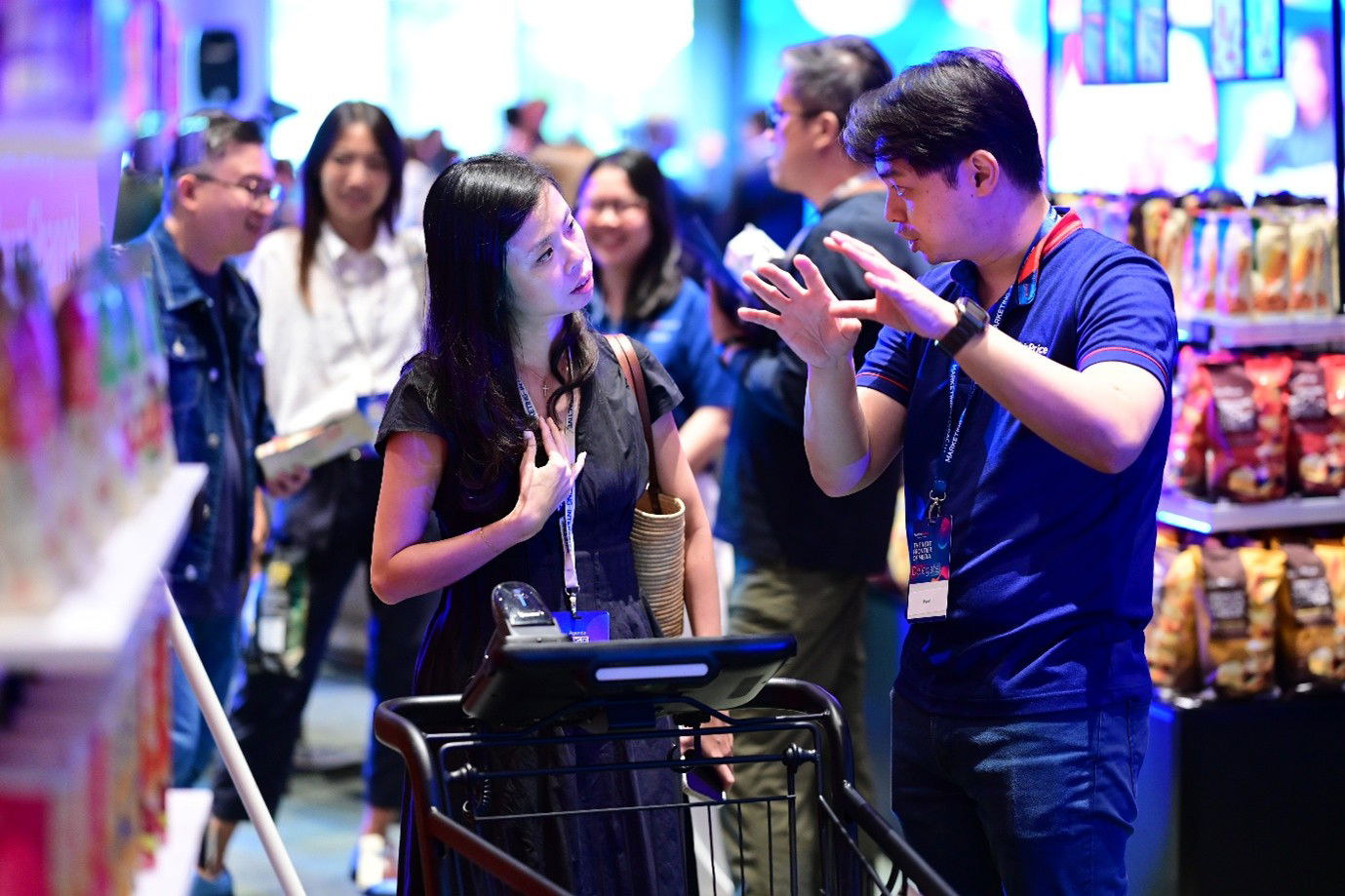
This foundational disconnect, compounded by a “disconnected, walled garden” ecosystem where data is siloed and a full customer view is impossible, was the central challenge tackled at FairPrice Group’s (FPG) recent launch event – “The next frontier of media.”
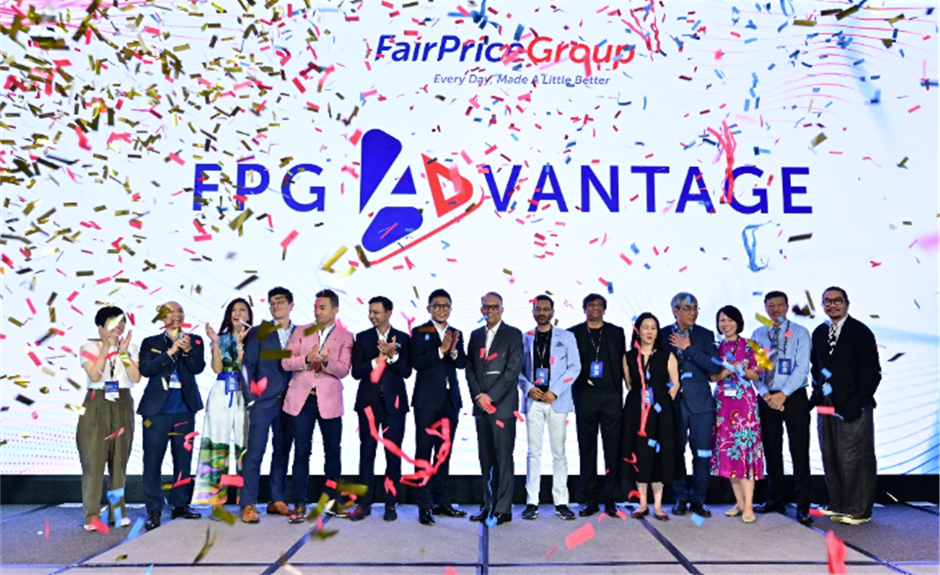
The event, which saw the official launch of FPG’s new retail media network, FPG ADvantage, brought together leaders from brands, agencies, and tech. The consensus was clear: the industry’s potential is being hamstrung by siloed budgets and a lack of data collaboration.
FPG’s strategic entry is not just to add another platform, but to fundamentally challenge this model by positioning its network as a “collaborative ecosystem” built to unite a fragmented landscape.
Charting the next frontier: Mindsets and budgets
The core challenge was laid bare by Ashutosh Srivastava, advisory board member for FPG’s retail media network. He described today’s market as “money going into disconnected, walled gardens”, forcing marketers to “second guess what really happened” on the customer journey.
The biggest opportunity, he argued, is for a retail media network to finally connect the “two disconnected worlds” of the brand manager and the trade manager.
This challenge was the central theme of the day’s first panel – “Charting the next frontier of retail media.” Panellists explored why adoption in the region has been hesitant. Chloe Neo, CEO of Omnicom Media Singapore, identified “silo budgets” as a primary blocker, with spend often trapped at the intersection of shopper, trade, and digital.

Sean Cheng, FPG’s managing director for eCommerce, dimensionalised this challenge, noting that while brands are now comfortable with eCommerce media – such as sponsored search – this is the “most narrow dimension” of retail media. The true, far larger opportunity, he argued, lies in “omnichannel fashion” which has “just started” and requires a new way of thinking.
This sentiment was echoed by Leroy Seow, FPG’s managing director of products. He called on brand partners to “rewire the mindset of budget allocation”. Rather than seeing retail media as an entirely new cost centre to fund, he positioned it as a “sandbox” and urged partners to “test and learn” by allocating a portion of existing funds to pilot new and integrated approaches.
A new playground built on deterministic data
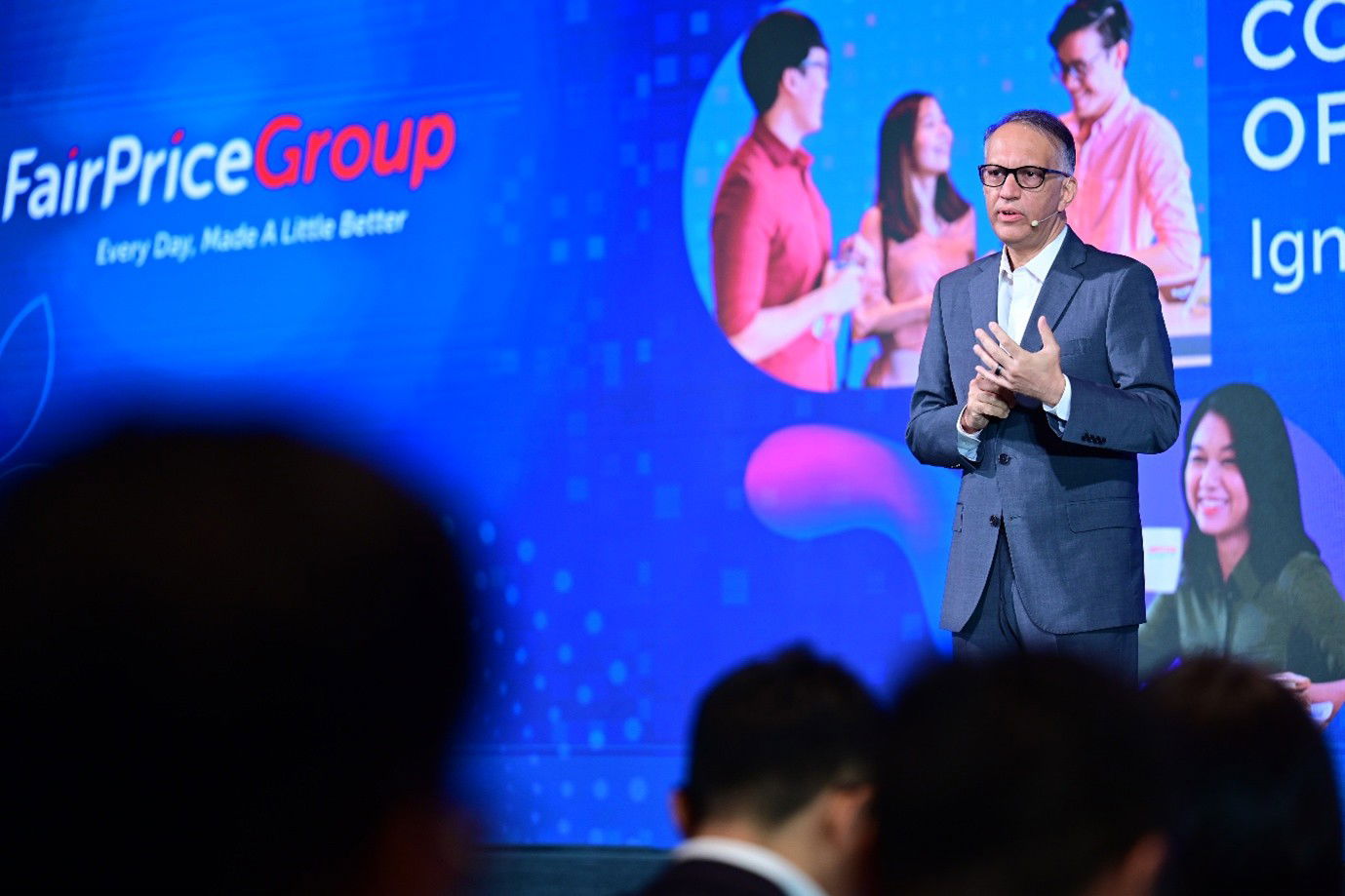
If the problem is fragmentation, FPG’s proposed solution is its vast, integrated ecosystem. CEO Vipul Chawla set the stage by outlining its evolution from a retailer to a multifaceted business spanning eCommerce, food services, loyalty, and banking, resulting in over one million daily customer interactions.
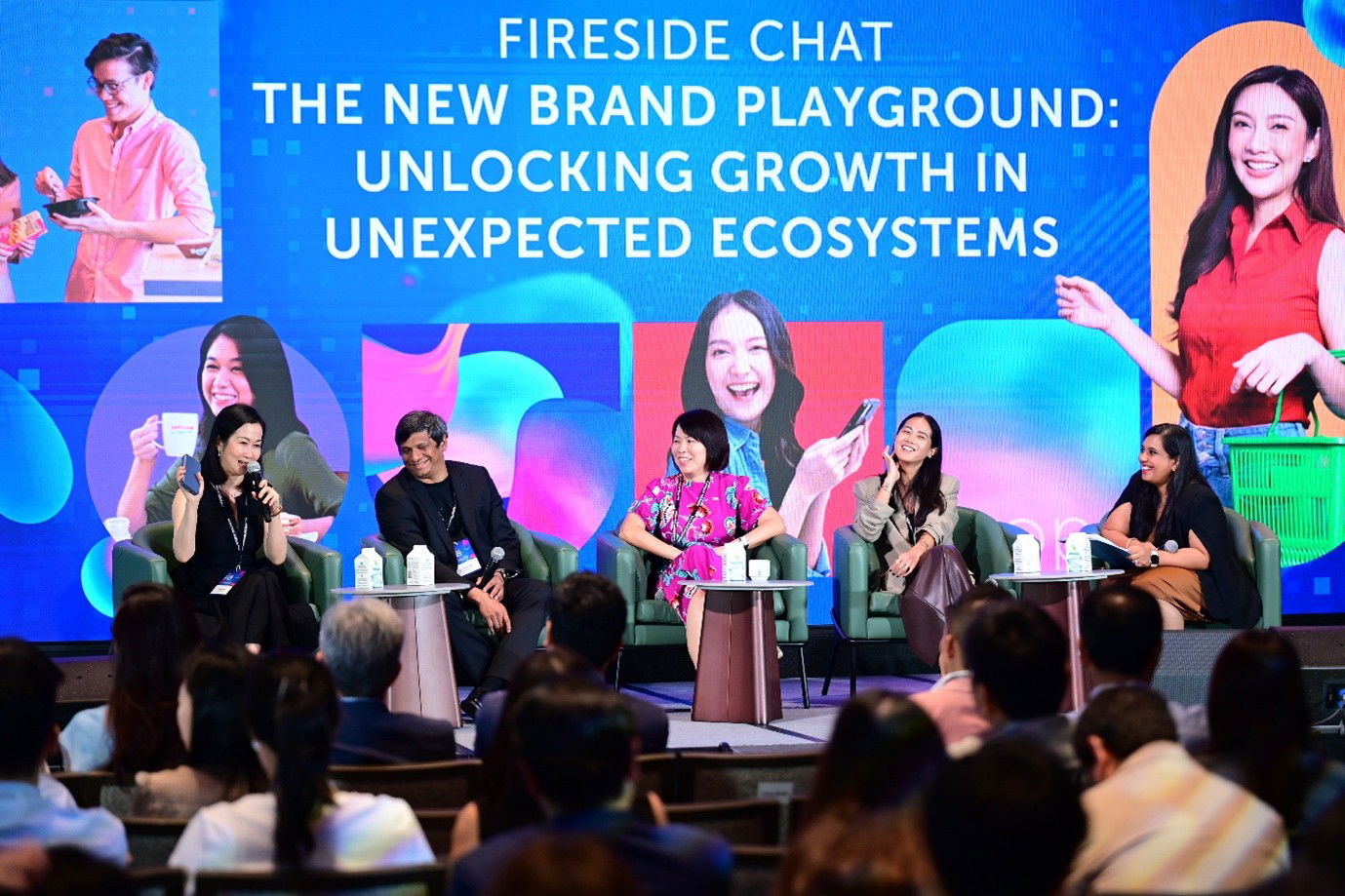
This scale provides the “playground” for brands that was explored in the second panel discussion – “The new brand playground: Unlocking growth in unexpected ecosystems.”
Karen Chan, FPG’s chief customer officer, detailed the data powering the network, highlighting its shift from inferred guesswork to trustworthy, first-party data. FPG processes nearly 350 million transactions annually, but its advantage, Chan explained, lies in “deterministic data”.
By integrating with MyInfo, “FPG can securely verify essential demographic details beyond standard app sign-ups. This ensures accurate validation of everything from household status to government benefit scheme eligibility.”
“Just because you purchase diapers and just because you also purchase Milo, doesn’t mean that you actually have household children,” Chan noted. “My husband, who is close to 60, also drinks Milo.” This move towards verifiable data is FPG’s answer to demands for higher quality audience segmentation.
Beyond the supermarket shelf: The non-endemic opportunity
The “playground” concept truly came to life when discussing the opportunity for non-endemic brands – those not sold on supermarket shelves.
Dione Song, CEO of Love, Bonito, described her “light bulb moment” during the panel. For a fashion brand, she explained, grocery data provides a powerful window into a customer’s life stage.
“Imagine someone moving perhaps into a different life stage, let’s say, becoming a mother for the first time,” Song theorised. “You’re probably going to start making already specific choices when you’re going for your grocery shopping”. This insight, she noted, would allow Love, Bonito to recommend “maternity friendly pieces” at the exact moment the customer needs them.
This sentiment was echoed by Dhiren Amin, chief customer officer of Income Insurance. For a category such as pet insurance, which suffers from low penetration, FPG’s network offers a direct line of communication.
“Almost 100 out of 100, hopefully, pet owners are buying food for their pets,” Amin said. “A lot of them are buying food from FairPrice.” This “clear alignment” allows Income to “grow the awareness of the need of pet insurance amongst pet owners” at the precise point of purchase.
Adeline Kim, country manager for Visa, highlighted that the true power lies in data collaboration. She noted that by connecting different data sets – such as FPG’s retail data with Visa’s wider payment data – brands can build richer, cross-category personas.
Kim emphasised that value isn’t just in big campaigns, but in creating meaningful, frictionless “small moments” and “nudges”, such as a reminder for an expiring voucher, that makes the entire customer experience more seamless.
A ‘sandbox’ to define the region’s future
The event concluded with a clear call to action: treat Singapore as a collaborative test market.
“Why don’t you treat Singapore like a sandbox?” Seow challenged the audience. This idea was reinforced by Rajat Jain, managing director of Nestlé Singapore. He argued that Singapore, despite its size, “has a unique position of leading global efforts and being the shining light of what is possible”.
By providing a “safe, compliant, collaborative sandbox”, FPG is offering marketers a chance to develop and test new omnichannel strategies.
As Srivastava summarised, the lessons learned here are “easily exportable to every other market”. The launch of FPG ADvantage is, therefore, more than just a new media platform. It is a strategic challenge to the industry to break down its internal silos and move “beyond the walled garden”, a move that could well define the future of retail media in the region.
This article was brought to you by FairPrice Group. To learn more about FPG ADvantage, visit www.fpgadvantage.com.sg.
Comments are closed.