
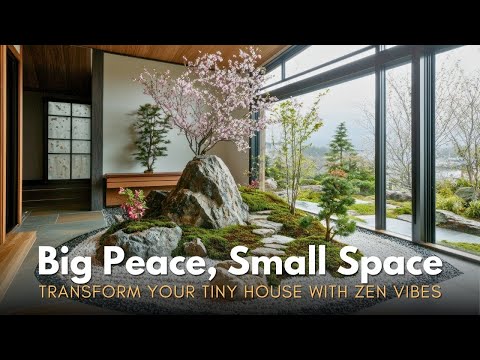
This video, “Tiny House, Big Peace: Indoor Japanese Garden,” takes viewers on an immersive journey through the serene world of a carefully designed Japanese garden nestled entirely inside a compact tiny house. It explores how traditional Japanese principles like wabi-sabi and Zen minimalism can transform a small indoor corner into a lush sanctuary of moss, bonsai, bamboo, and stones. Thoughtful features such as a miniature water basin, soft shōji screens, ambient soundscapes, and subtle seasonal décor work together to create a multi-sensory retreat that feels far removed from the hustle of everyday life.
Through meticulous detail, the narration demonstrates how smart design choices — like natural materials, multi-functional elements, and strategic lighting — enable even the smallest home to embrace nature and tranquility. This indoor Japanese garden is not just about aesthetics but also about nurturing mindfulness and daily rituals that ground the soul. Ultimately, the video invites viewers to see that true peace doesn’t require vast outdoor space; it only takes intention and harmony to bring the calming spirit of Japan into any tiny home.
00:24 Introduction: A Tranquil Oasis in a Compact Space
01:36 Embracing Wabi-Sabi in Indoor Spaces
03:00 The Zen Corner: Meditation Amidst Greenery
04:36 Minimalist Pathways for Indoor Flow
06:12 Moss and Ground Cover: Softening Hard Edges
07:48 A Central Water Feature: Symbol of Serenity
09:00 Carefully Selected Plants: Less is More
10:36 Bonsai Artistry: Living Sculptures Indoors
12:12 Stone Lantern: Guiding Light in a Small Space
13:48 Natural Materials: Wood, Stone, and Bamboo
15:24 Shōji Screens: Softening Light Indoors
16:48 Seasonal Touches: Subtle Changes Year-Round
18:24 Soundscapes: Enhancing Serenity
20:00 Smart Irrigation for Indoor Harmony
21:36 Strategic Lighting: Day and Night Beauty
23:12 Multi-Purpose Design: Function Meets Zen
24:48 Aroma Therapy: Engaging the Sense of Smell
26:24 Compact Maintenance: A Joy, Not a Chore
27:48 Harmonious Color Palette: Calm and Natural
29:24 Blending with Interior Décor: Seamless Integration
31:00 The Role of Natural Light: A Living Clock
32:36 Personal Rituals: Building Mindfulness into Routine
34:12 Community and Sharing: Inspiring Others
35:36 Reflection and Renewal: A Personal Retreat
37:12 Conclusion: Bringing Big Peace to Small Spaces
#TinyHouse #JapaneseGarden #IndoorGarden #ZenGarden #Bonsai #WabiSabi #MinimalistLiving #IndoorPlants #SmallSpaceDesign #GardenDesign #TranquilHome #HomeSanctuary #MeditationCorner #JapaneseInterior #PeacefulHome
[Music] [Music] Welcome to tiny house big piece indoor Japanese garden. In today’s video, we take you deep into the heart of a miniature haven designed to soothe your senses and refresh your spirit without ever leaving the four walls of your tiny home. Living small doesn’t mean sacrificing peace. In fact, this carefully curated Japanese indoor garden proves that tranquility can flourish in the most compact spaces. Prepare to be inspired by every stone, every leaf, and every whisper of calm that this garden brings. Cute. [Music] [Music] The philosophy of Wabishabi, which finds beauty and imperfection and transients, is the soul of this indoor Japanese garden. Even in a tiny house, Wabishabi teaches us to appreciate the worn textures of stone, the asymmetry of moss patches, and the fleeting life cycle of each delicate leaf. This mindset transforms a simple corner into a sanctuary. Within the garden, each natural element is left intentionally imperfect, inviting you to pause, observe, and reconnect with the natural rhythms of life. [Music] [Music] [Music] At the heart of this indoor garden lies a tiny zen corner crafted specifically for daily meditation. A smooth tatami mat rests beside a low wooden stool, perfectly positioned near a cluster of dwarf bamboo and a carefully placed stone lantern. The surrounding plants filter natural light, creating a dappled pattern that dances quietly across the mat. Even within limited square footage, this intimate nook encourages a deep inward journey, fostering mental clarity and inner peace amidst a world of distractions. [Music] It’s just [Music] me. [Music] Despite its modest size, this indoor garden features a thoughtfully designed stone pathway composed of flat stepping stones set into a bed of white gravel. This miniature path invites you to move slowly, feeling each step beneath your feet. The pathway winds gently through pockets of ferns and low growing mosses, offering a sensory experience that connects you with nature. It illustrates that even in a tiny house, flow and movement can be artfully choreographed to enhance mindfulness and balance. [Music] Moss plays a starring role in softening the structure of this indoor Japanese garden. carefully cultivated patches of rich velvety green carpet the base of stones and surround plant clusters, blending hard edges into a seamless landscape. This soft ground cover not only provides visual continuity, but also helps maintain humidity for neighboring plants. In a confined space, moss acts as a gentle unifier, ensuring the garden feels lush and alive without overwhelming the simplicity that defines Japanese design. [Music] [Music] A subtle water feature is the heartbeat of this peaceful indoor retreat. Here, a small stone basin or tsukubai allows water to flow gently from a bamboo spout into a shallow pool. The soothing sound of trickling water masks household noises and infuses the room with an atmosphere of quiet reflection. This feature, though modest, becomes the focal point that draws your attention inward, embodying the element of water, essential for cleansing the mind and balancing energy within the home. [Music] Plant selection in this tiny house garden adheres strictly to the principle of less is more. Instead of a crowded array, the designer has chosen a few iconic Japanese plants. A dwarf Japanese maple, lucky bamboo, and a small bonsai pine. These plants are strategically placed to maximize visual impact without clutter. Each species is chosen for its seasonal interest and symbolic meaning, ensuring that the garden evolves subtly throughout the year, mirroring the passage of time. [Music] Choo choo [Music] choo choo choo choo choo choo choo choo choo choo choo choo choo choo choo choo choo choo choo choo choo choo choo choo choo choo choo choo choo chimp [Music] One cannot overlook the role of bonsai in this indoor Japanese garden. Two carefully pruned bonsai trees grace low wooden shelves near the window, commanding admiration for their miniature grandeur. These living sculptures represent patience, discipline, and a deep connection with nature. Their presence reinforces the garden’s focus on contemplation and quiet beauty. In a tiny house, bonsai exemplify how nature’s grandeur can be distilled into a small but profound work of art that requires attentive care. [Music] Jack. [Music] An ornamental stone lantern sits nestled among the foliage. Its subtle shape adding a timeless Japanese aesthetic to the garden. Traditionally used to guide travelers along garden paths, this miniature lantern instead illuminates the mind, reminding inhabitants to navigate daily life with calm awareness. When evening falls, a small LED candle inside casts a warm, gentle glow, transforming the entire corner into an intimate refuge where shadows and light play in harmony. [Music] The use of natural materials throughout this indoor garden roots the space in authenticity. A bamboo screen provides a backdrop for the planting area, while smooth riverstones accent the gravel bed. Wooden platforms elevate potted plants, preventing water damage to the floor. Together, these materials echo the forest, mountains, and rivers of Japan. Even in a tiny house, they foster a tactile connection to the outdoors, grounding the space in organic textures that age gracefully over time. [Music] Hello. [Music] Catch you. [Music] To complement the garden, traditional shoji screens are used to filter incoming sunlight. These sliding panels diffuse harsh rays, bathing the plants in soft ambient light throughout the day. The gentle illumination enhances the garden’s calming effect, casting shifting patterns that change with the sun’s movement. Shoouji screens also create flexible zones, allowing the garden to blend seamlessly into the living area or be concealed for privacy. A clever nod to Japanese modular living. [Music] True to Japanese tradition, this indoor garden honors the seasons. A small al cove within the garden displays a rotating seasonal element, a single cherry blossom branch in spring, a maple leaf in autumn, or a sprig of pine during winter. These understated decorations invite mindfulness of nature’s cycles, helping tiny house dwellers remain attuned to the outside world. Such simple, thoughtful touches bring fresh beauty to the garden without demanding significant changes or space. [Music] [Music] Beyond the water feature, subtle sound design amplifies the peaceful atmosphere. A hidden speaker softly plays recordings of bird song and rustling leaves. This ambient layer blends naturally with the trickling water, masking urban noises that may penetrate the small houses’s walls. This soundsscape, carefully calibrated not to overwhelm, deepens the garden sensory appeal, wrapping visitors in a cocoon of tranquility that feels worlds away from the bustle of daily life. Where do you [Music] Dr. [Music] Maintaining plant health in a confined indoor environment can be tricky, but this garden uses a discrete smart irrigation system. Thin, nearly invisible tubes deliver precise amounts of water to each plant space, reducing mess and preventing overwatering. Controlled by a mobile app, the system ensures that the garden thrives with minimal effort. In a tiny house where time and space are precious, this integration of technology sustains a living garden without compromising the simplicity of its design. [Music] Heat. Heat. [Music] [Applause] [Music] [Music] Subtle LED spotlights highlight key elements like the bonsai trees, moss patches, and the water basin during the evening. These lights hidden among rocks and plants cast a warm glow that brings the garden to life after sunset. The interplay of shadows and soft illumination transforms the space into an enchanting nook for nighttime reflection or tea. In a tiny home, this thoughtful lighting extends the garden’s calming effect beyond daylight hours, making it a roundthe-clock sanctuary. [Music] [Music] Every inch of this indoor garden serves more than one purpose. The low wooden bench doubles as storage for gardening tools and meditation cushions. A raised plant shelf acts as both a display and a divider, subtly separating the garden zone from the main living area. This multi-functionality is crucial in a tiny house, proving that you don’t need extra space to nurture peace and beauty. You simply need smart, intentional design choices rooted in simplicity. [Music] God. [Music] [Laughter] [Music] To complete the sensory experience, subtle natural scents permeate the garden area. A discrete incense holder releases faint notes of sandalwood during meditation. While live herbs like mint and lemon balm contribute refreshing fragrances, these aromomas shift gently with time, calming the mind and enlivening the senses. In such a compact environment, scent becomes a powerful tool, enhancing the garden’s ability to transport you mentally to a forest glade or mountain retreat. [Music] The beauty of this indoor Japanese garden lies not just in its appearance but in its manageability. Plants are chosen for their resilience and low maintenance, while the gravel and moss minimize the need for constant cleaning. The tiny pond’s filtration system keeps the water clear with minimal upkeep. Tending to this garden is a meditative ritual rather than a demanding chore, offering moments of mindfulness that reward you with vibrant greenery and a sense of accomplishment. [Music] Color plays a quiet but powerful role in setting the garden’s mood. A restrained palette of greens, muted browns, stone grays, and occasional soft whites creates a visually peaceful environment. There are no bright distracting colors, only the subtle hues of nature which soothe rather than stimulate. This careful color coordination ensures that the indoor garden remains a calming counterpoint to the more practical and colorful elements of tiny house living. [Music] Fore! [Music] rather than existing as a separate entity. This indoor Japanese garden blends organically with the rest of the tiny houses’s decor. Natural wood tones match flooring and furniture, while bamboo screens echo other room dividers. This seamless integration prevents the garden from feeling like an add-on. Instead, it becomes an intrinsic part of daily living, reminding inhabitants of nature’s presence, even when cooking, working, or resting nearby. [Music] position near the largest window. The garden thrives on abundant natural light. This placement not only sustains plant health, but also acts as a living clock. As sunlight shifts, shadows move, subtly marking the passage of time. In a tiny house where outdoor exposure may be limited, this indoor garden reconnects occupants to dal rhythms, encouraging rest when shadows lengthen and gentle awakening with the morning light. Heat. Heat. Heat. Heat. N. [Music] Beyond aesthetics, this garden invites daily rituals that nourish well-being. Whether it’s watering the bonsai, raking the gravel into fresh patterns, or simply sitting with tea beside the water basin, these small acts weave mindfulness into everyday life. In the tiny confines of a small house, the garden becomes a reliable touchstone for grounding oneself amid work, chores, and screens. It proves that peace can be cultivated moment by moment, even in the smallest dwelling. Yeah. Heat. [Music] Interesting. ingly, this tiny indoor Japanese garden often becomes a topic of conversation when friends visit. Its calming presence and thoughtful design inspire others to create their own indoor oasis, no matter how small their living quarters may be. Sharing this space with loved ones fosters connection and encourages broader appreciation for sustainable mindful living. In this way, the garden extends its influence beyond its physical boundaries, planting seeds of tranquility in the wider community. [Music] Heat. Heat. N. [Music] At its core, this indoor Japanese garden serves as a personal retreat, a place to Pause, breathe, and rediscover clarity amidst life’s clutter. Even in a tiny house, it offers a profound reminder that peace is not a product of space, but of intention. Here, within stone, moss, and soft light, you’ll find a daily refuge that renews the spirit. Reminding you that true luxury is measured not by square footage, but by the depth of calm within your heart. [Music] Thank you. [Applause] [Music] [Applause] [Music] [Laughter] [Music] In conclusion, tiny house big piece indoor Japanese garden shows that with thoughtful design, even the smallest home can harbor a sanctuary of serenity. From the wabishabi philosophy to the gentle sound of trickling water, every element works in harmony to create a peaceful refuge. May this video inspire you to craft your own indoor garden oasis, inviting balance and mindfulness into your daily life. Remember, you don’t need a big house for big peace, just a corner of calm where nature lives within you. [Music] [Laughter] [Music]
1 Comment
This is damn amazing!!!! Got to keep grinding and maintain focus to make this possible.