
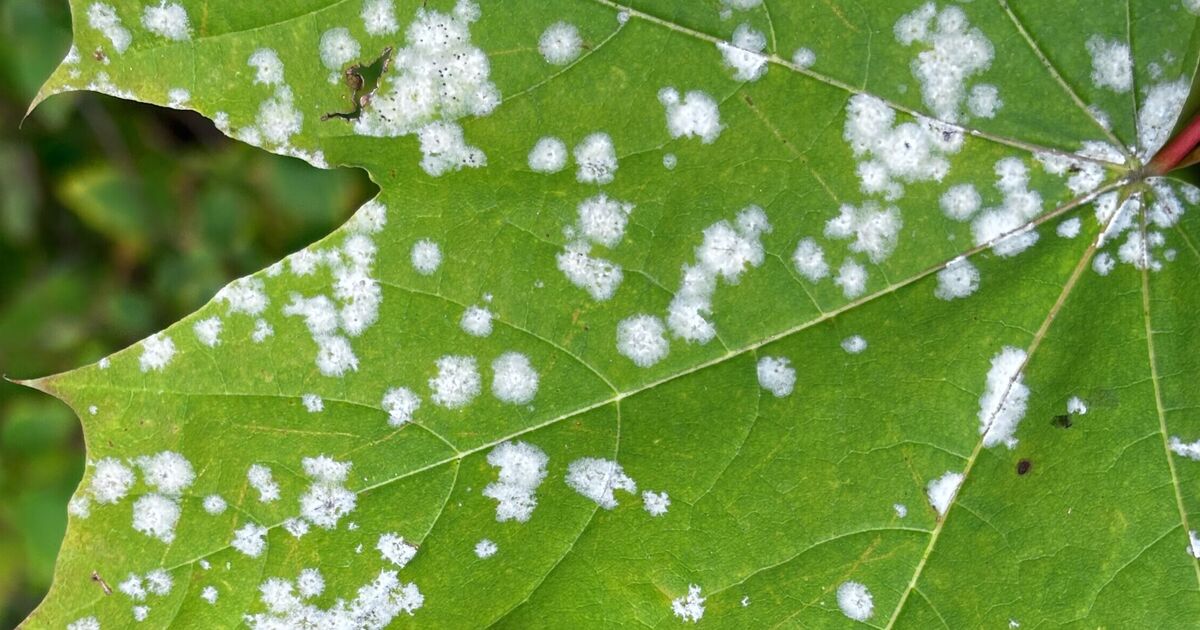
Even going out into your garden at this time of year can feel like a tall order, let alone attempting to do any gardening. However, there is one task gardeners must complete in December if they want to see abundant, healthy plants that survive and thrive next spring and summer.
A little time spent now on this task will break the cycle and ensure your garden looks its colourful best in 2026. If left unchecked, this problem can eventually cause serious harm to your garden plants by robbing them of water and nutrients. Most infections cause minor damage such as leaves turning yellow or becoming withered or distorted, but plants can also become weak, bloom less, and grow slower. This garden pest thrives when not enough sunlight and poor air circulation contribute to conditions that help it to grow so it is important to remove it in winter.
Powdery mildew is a common fungus that affects a wide variety of plants. It is easily identified and appears as light grey or white powdery spots usually found on infected leaves, but can also be found underneath, or on stems, flowers, fruit or vegetables. The spots spread and will eventually cover most of the leaves on the plant, with new plant growth being most susceptible.
Although rarely fatal, if left unchecked, it can eventually cause serious harm to your plants by robbing them of water and nutrients. Most infections cause minor damage such as leaves turning yellow or becoming withered or distorted, but plants can also become weak, bloom less, and grow slower.
Spores survive on dead plant debris, reinfecting new growth in the spring and weakening plants by reducing photosynthesis and yield. Removing infected material and diseased plants breaks the disease cycle and prevents the mould from spreading year after year.
Fungal spores hibernate in fallen leaves and dead stems, waiting for ideal conditions (warm/dry or high humidity) to return in the next growing season. Eliminating the source reduces the amount of inoculum available to infect new plants and crops.
Removing diseased plant parts minimises stress, allowing plants to stay vigorous and produce better yields. It also prevents the mould from becoming a recurring, long-term problem in your garden.
Water-soaked spots on blossoms or leaves are an early symptom of this fungal disease. A cottony white growth may develop on the spots.
White mould attacks many types of edible plants, including beans, peas, potatoes, soybeans, carrots and cabbage. White mould gradually spreads to all above-ground plant parts. Infected tissues wilt,turn yellow and die. Cool, wet weather favours the development of the disease. The fungus overwinters in the soil.
There are actions you can take to prevent the spread of white mould:
* Choose disease-resistant varieties when possible.
* Space plants and rows widely so that plants remain dry as much as possible.
* Avoid handling plants when wet.
* Water early in the day so plants dry before nightfall. Use drip irrigation or soaker hoses rather than overhead watering.
* Minimise the use of nitrogen fertilisers.
* Uproot and destroy diseased plants as soon as you notice them.
Gardendesign.com advise: “Remove the affected leaves, stems, buds, fruit or vegetables from the plant and discard. Some perennials can be cut down to the ground and new growth will emerge. Do not compost any damaged or diseased foliage as the spores can spread and persist in the composted material. Disinfect pruners and all tools after using on infected plants.”
Although most products on the market are targeted at preventing powdery mildew, there are many home remedies available to treat an existing infection. Spray mixtures will only kill what they come in contact with, so be sure to coat all affected areas thoroughly. It may take multiple applications for complete treatment. Apply once a week for three to four weeks, then wait to see results. Reapply as needed.
Baking soda solution, Potassium bicarbonate, milk, neem oil, and powdery mildew fungicide can all be used to help remove white mould.
Comments are closed.