

Across rural India, cow dung has always been a quiet hero — a humble, everyday material transformed into fuel, fertiliser, building aid, and even a natural disinfectant.
While most urban gardeners know it only as a neatly packaged manure bag, farmers have spent generations unlocking its full power, turning it into solutions that are cheap, sustainable, and surprisingly effective.
Today, as cities look for low-waste, climate-friendly habits, these age-old practices offer a goldmine of ideas ready to be reimagined for balconies, backyards, and community gardens.
Here are some of the most impactful ways farmers use cow dung — and how urban gardeners can adapt them.
1. A potent soil reviver and microbial booster
Indian farmers rarely use cow dung as raw manure. Instead, they compost, dilute, or ferment it — a process that helps beneficial microbes thrive and transforms it into a powerful soil-restoring tonic.
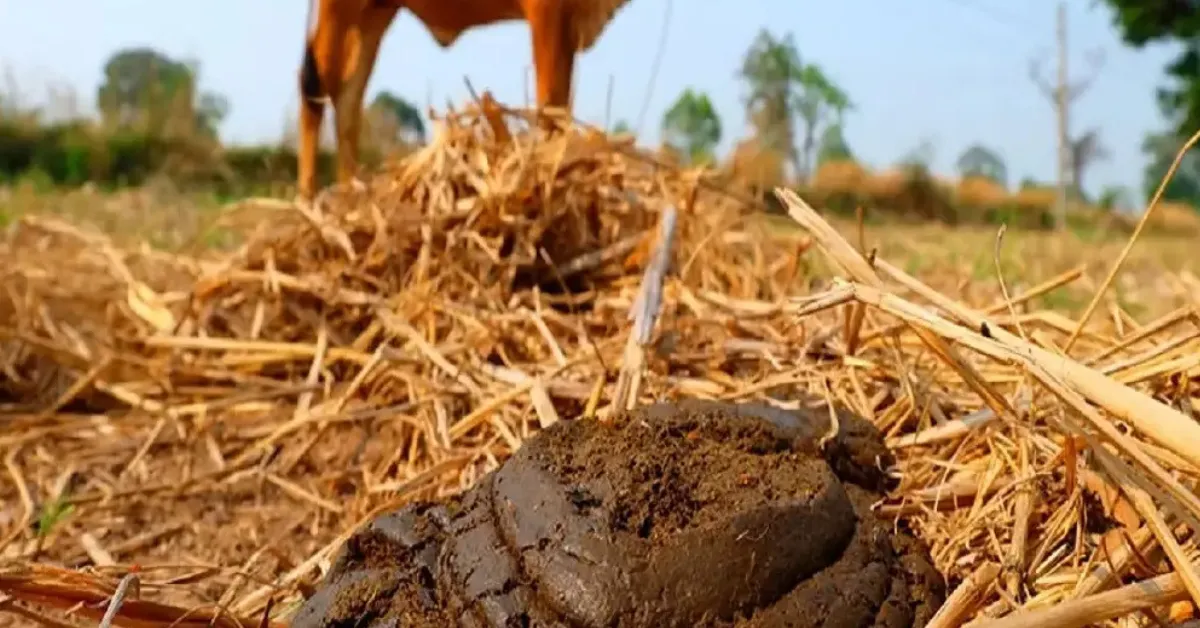 Across rural India, cow dung has always been a quiet hero. Photograph: (Krishi Jagran)
Traditional practice:
Building compost heaps layered with straw, kitchen waste, and cow dung
Brewing ‘cow dung tea’, a fermented liquid manure that gives plants a quick nutrient boost
Mixing it into soil to improve moisture retention and revive exhausted fields
What urban gardeners can learn:
Urban gardens, particularly container gardens, suffer from fast-depleting soil. Creating a small-scale compost bin using cow dung (widely available in dry cake or granule form) improves structure, increases microbial life, and enhances water retention.
A diluted dung tea, strained well, can be an outstanding organic feed for herbs, leafy greens, and fruiting plants.
2. Natural pest and disease control
Cow dung, when mixed with cow urine and medicinal leaves, becomes a potent natural pest repellent — protecting crops without disturbing soil microbes. Farmers have relied on these gentle, homegrown formulations for generations.
Traditional practice:
Preparing sprays by fermenting cow dung with neem leaves, garlic, and chillies
Smearing diluted dung on tree trunks to keep borers and fungal infections away
Coating seeds with a thin dung slurry before sowing to shield them from early pests and diseases
What urban gardeners can learn:
Chemical pesticides are unnecessary for most household plants. Urban gardeners can replicate safe sprays using store-bought neem oil and a mild cow-dung solution (well-strained and odour-balanced).
Painting a thin dung-clay mix on the base of fruit trees or planter trunks acts as a breathable, pest-repelling barrier suitable for courtyards or rooftop orchards.
3. Fuel, compost, heat and energy recycling
In rural India, dried cow-dung cakes are well known as a low-cost, slow-burning fuel. But fewer people know how cleverly farmers harness the heat of decomposition itself — turning even the byproducts of cow dung into useful energy.
Traditional practice:
Running cow-dung biogas units that generate clean cooking gas
Using the natural heat from large dung compost pits to warm seed beds during winter
Returning ash from burnt dung to the soil as a mineral-rich amendment
What urban gardeners can learn:
While most city dwellers can’t burn dung, the heat-from-compost idea is highly useful. Even a small insulated compost bin containing cow dung, mixed waste can generate warmth, helping germinate seeds earlier in the year.
Dung ash, available commercially, can be added sparingly to potting mixes to supply potassium and trace minerals, excellent for tomato, pepper, and flowering plants.
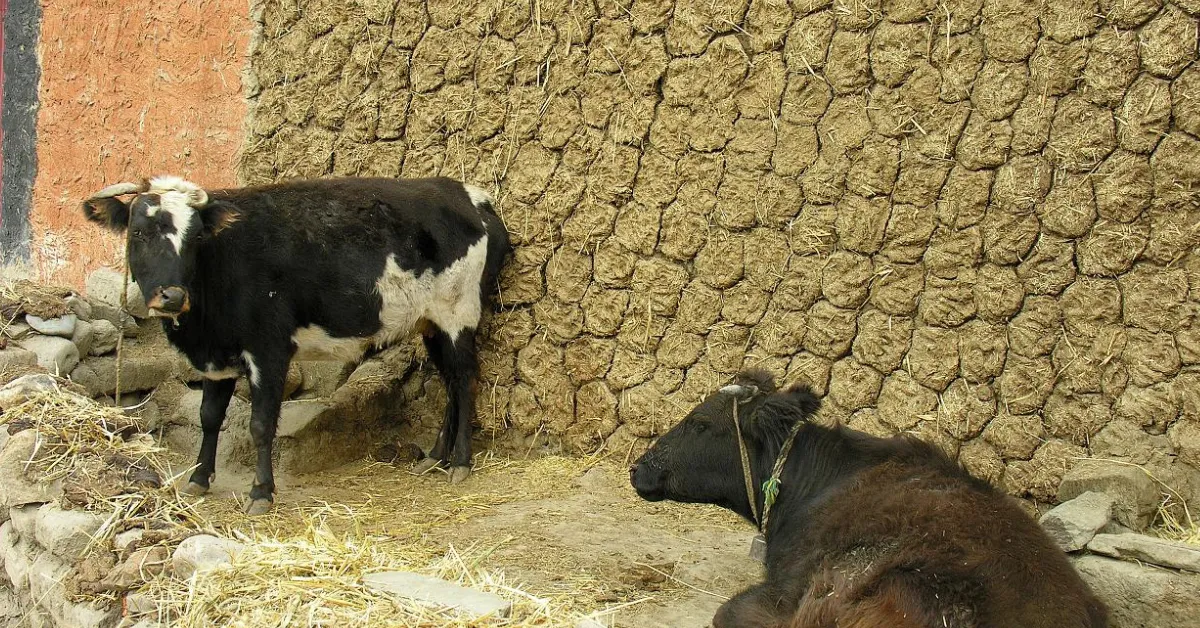 Creating a small-scale compost bin using cow dung (widely available in dry cake or granule form) improves structure. Photograph: (The Wire Science)4. Construction and climate control material
Cow dung is widely known in India for plastering mud houses — but the science behind it is just as fascinating. When blended with clay and straw, it forms a breathable, naturally antiseptic coating that strengthens structures and regulates temperature.
Traditional practice:
What urban gardeners can learn:
The same properties work beautifully in garden pots and beds. Urban gardeners can apply a thin dung-clay wash to the outer surface of terracotta pots or raised-bed walls, improving insulation and moisture regulation.
For gardeners struggling with temperature swings on balconies, this traditional technique helps stabilise root conditions.
5. Seedling protection and bio-coating
Cow dung’s sticky, microbe-rich texture makes it an excellent natural protective coating — one that boosts plant health right from the start.
Traditional practice:
Dipping seeds in a cow-dung slurry to encourage beneficial microbes and guard against soil-borne pathogens
Applying a dung–clay paste around the base of young saplings to protect them from insects and early damage
What urban gardeners can learn:
Urban growers can prepare a very dilute, fully strained dung solution to lightly coat seeds before sowing. This acts as a biological primer, improving germination and disease resistance.
A similar diluted paste can be used around the lower stems of tomatoes, cucumbers, and chillies to deter ants and borers.
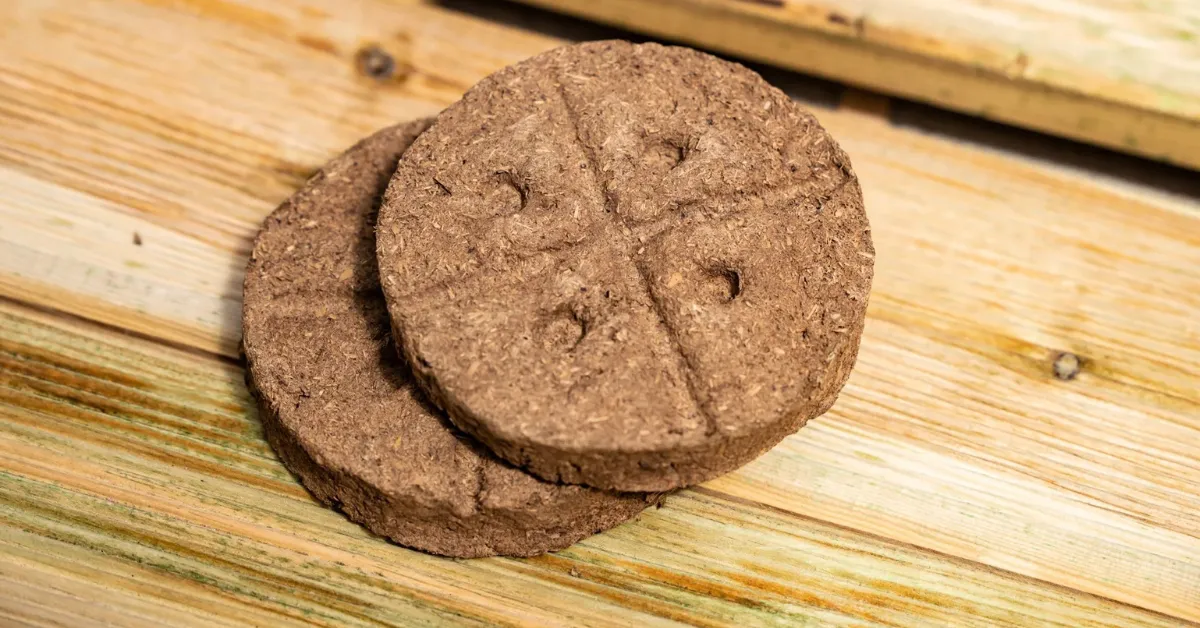 Cow dung’s sticky, microbe-rich texture makes it an excellent natural protective coating. Photograph: (Bhaktishop)6. Eco-friendly mulch and soil cover
Dried cow dung, crushed into light flakes, also doubles as an effective natural mulch in many parts of India.
Traditional practice:
What urban gardeners can learn:
Cow-dung mulch is ideal for container gardens because it is lightweight, nutrient-rich, and biodegradable. It helps reduce watering frequency, a boon for gardeners with busy schedules or sunny balconies. Unlike wood chips, it doesn’t tie up nitrogen.
Comments are closed.