
#WinterGardening #ShadeLovingPlants #UrbanEdenGarden
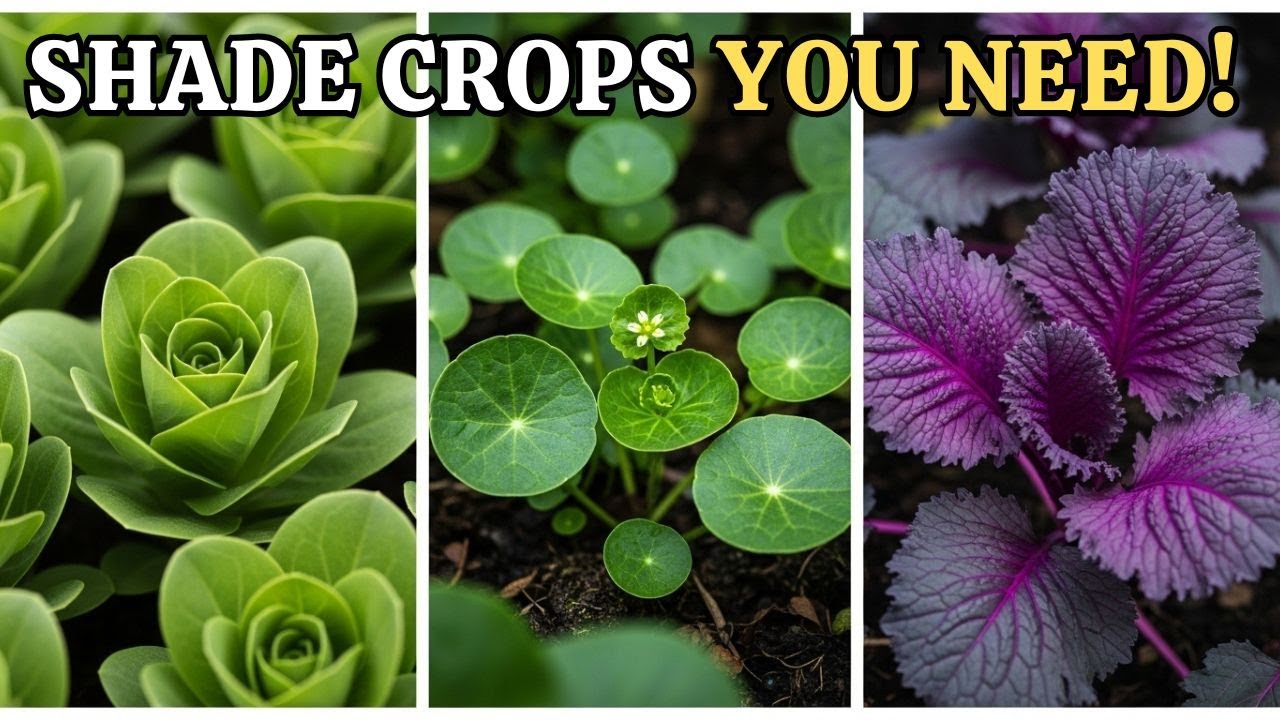
Unlock the hidden power of your shady spaces this winter! In today’s video, we explore 20 incredible shade-loving edible plants you can grow even in the cold months perfect for gardeners with small yards, limited sunlight, or anyone who wants to keep harvesting fresh food all winter long.
If you’ve ever looked at a dark corner of your garden and thought nothing could grow there… think again. These winter-hardy greens, herbs, and unique edibles thrive where most plants struggle. From miner’s lettuce to sorrel, claytonia, wasabi greens, tree collards, wild garlic, and so much more — this guide will show you how to turn that forgotten shady spot into a productive winter food oasis.
Whether you’re gardening in containers, raised beds, balcony spaces, or a small backyard, these plants will help you grow MORE while spending LESS. This is the perfect cold-season guide for beginner gardeners, small-space growers, and anyone who wants a thriving winter garden without breaking the bank.
💬 COMMENT BELOW: Which shade-loving edible are you planting first?
👍 LIKE the video if you want more winter gardening tips
🔔 SUBSCRIBE to “Urban Eden Garden” for affordable, smart gardening ideas you can use year-round!
#WinterGarden #ShadePlants #EdibleGardening #ColdWeatherCrops #GrowFoodNotExcuses
Winter is sneaky. It creeps in, turns day into shadow, and makes you feel like all your garden plants have gone to sleep. But what if I told you that those same shadows, the corners you avoid because they never see sunlight, could be your garden’s most powerful asset this season. You might think winter means dead soil and bare branches, but to me it means opportunity. The kind of opportunity where you can plant smart, grow well, and harvest even when the sun barely shows its face. Last winter, I stared at this dark stretch along my fence. Mosscovered bricks, damp patches, and a chilling wind that crossed over my yard. I didn’t expect much, but I decided to experiment. I scattered some seeds, added a little compost, and trusted that shade could do more than nothing. Maybe I was being optimistic, but I’d grown in shady spots before. A few weeks later, when I brushed aside some fallen leaves, I found tender greens, deep roots, and surprising vibrancy. That little corner became one of my most productive winter patches. That moment stuck with me. Shade isn’t a curse. It’s a kind of magic. So, let’s talk about how you can unlock that magic. I want to walk you through 20 edible plants that love shade in winter. Not just do okay, but truly thrive. and many of them are budget friendly, lowmaintenance, and maybe more familiar than you think. First, miner’s lettuce. This unassuming little plant is a wonder in the shade. You sprinkle the seeds and they germinate even when light is low. The leaves are delicate and mild, perfect for salad mixes or as a garnish for sandwiches. I’ve harvested it in January when other greens are sulking. It’s not showy, but it’s reliable. I once told a friend to try it in a shadier bed, and she was blown away by how much she got out of just a handful of plants. Then there’s Clatonia, also known as spring beauty. It’s tiny but tough with leaves that flourish even when the soil is cold and damp. In my garden, clatonia doesn’t just survive, it quietly expands, filling out small pockets. When I toss it into a mixed green salad, it brings a softness that’s unexpected in winter. It’s the kind of thing people glance at and then taste and go, “Wait, this came from my shady corner.” Next up is mosh or lamb’s lettuce. a classic winter green that’s very forgiving because it grows slowly in the winter shade. It never bolts early and you get these soft round leaves that have a subtle sweetness. I like to plant mosh in little patches wherever there’s just a bit of horizontal ground because even a shaded strip will produce a surprising amount of it. When I mix it with miner’s lettuce and some spinach, I get a salad mix that feels fresh, delicate, and totally unexpected for winter. Sorrel is another one. That tangy, lemony bite that sorrel is known for gets a little more mellow in shade. The leaves remain tender instead of turning tough or bitter. And when I add them to soups or sauces, they give that gentle citrus flavor that lifts everything. Once I made a winter sorrel pesto, olive oil, a few nuts, garlic, and the sorrel, and I swear you could have tricked someone into thinking it was spring in a jar. Then there’s Tokyo Bana, which doesn’t get enough love. It’s a type of Asian leafy green that is slow growing, but it does beautifully in partial shade. The leaves are crunchy, a little mild, slightly sweet. Great for a crisp salad or even lightly steamed. I planted some closeco shady wall and every time I water, I get this subtle but steady growth. In winter, those greens feel gentle, almost buttery under the tongue. Let’s move on to flavor boosters. Greens that you already know but maybe don’t realize will hang out in the shade. Garlic chives, for example, are more resilient than most people think. You’d expect they’d need full sun to flavor up. But in my shady patch, they persist, sending up slender stocks that smell like garlic but taste gentle. I snip a little into soups, into buttered bread, or toss it into scrambled eggs. It adds zest without overpowering. Parsley is another shade hugger. In winter, I don’t try to push it in the sunniest spot. I let it grow in semi-shade, and the leaves become surprisingly lush and dark. The slower growth means more complex flavor. I like to harvest it as needed rather than strip it all at once so it keeps giving. I often tell viewers, “Let the parsley hang out in the shade. It doesn’t mind.” Coriander is usually such a sun lover. But here’s the trick. In cool, shady areas, it grows slowly and steadily without bolting. I’ve had coriander in December and January, tucked away in a cooler, shaded side bed, and it stayed tender. Fresh leaves for soup garnishes or a quick winter salsa. It’s a little magic. Mint is the ultimate shade lover. I know this might sound obvious to some, but in winter shade, mint doesn’t just survive. It smells incredible and grows softly, almost lazily, compared to its summer habits. I plant mint in a container in a shaded patch so it doesn’t run away. And then I just snip what I need for tea or desserts. The shade keeps it calm. It’s almost meditative to harvest. Orachch, sometimes called mountain spinach, is one of those plants I discovered by accident when experimenting with shade. Its leaves come in a range of colors, green, red, sometimes even purple, and they grow in succession. The texture is slightly coarse but smooth. And I love adding it raw to salads or lightly sautéing it. It’s very forgiving and once established, it just comes back stronger each winter corner. I planted in. Now, let’s talk about some root vegetables that do better than you’d expect in shady, cold spots. Radishes, for instance. You’d think they’d need sun, but in shade, their growth slows down just enough that they become sweeter and crisper. I sew them generously, and rather than harvesting all at once, I pull a few whenever they reach a good size. The flavor is mild but satisfying. And the soil, it stays damper under shade, so they don’t crack from drought. Turnips are a next level winter root for shady corners. Both the root and the greens are edible, and I encourage people to eat both. The root stores well, but the greens, when lightly sauteed, are one of my favorite cold weather treats. Planting turnips in a partially shaded bed gave me double returns. I was harvesting greens early, then roots later, and all of it felt effortless. Then there’s baby carrots. You’d think they’d need deep, rich soil and bright sun, but I’ve grown them in cool, shady ground, and what you get is smaller carrots, yes, but intensely flavored. These aren’t supermarket giants. They’re tender, sweet, and perfect for roasting or snacking. I treat them gently, give them composted soil, and let them do their thing without fussing. Beets are also late winter champs in shade. The greens get pretty large and the roots slowly develop. I harvest the greens first, sauté them with garlic or toss them into a soup, then lift the roots. When you grow beets this way, you get a longer season of use, and the flavor slightly milder than hot summer beets, but earthier and more refined. Salifi is maybe the most unknown, but amazing root I’ve worked with. People forget about it, but it loves cool, moist, shady soils. The root is long and slender, and when cooked, it’s got this subtle oyster-like flavor. Hence the nickname oyster plant. Once I’ve boiled some up, tossed in butter and herbs. Totally worth the effort. And the shoots aren’t bad either if you want to experiment. By now, you might be thinking, “Okay, but how many of these can I actually grow in a small corner?” The answer is more than you expect. In my own yard, I combine these plants in layered patches. Ground level greens, slightly taller herbs, and root crops underneath or nearby. It looks messy if you try to make it neat like a formal garden bed. But to me, that mess is productive life. It’s living, breathing food coming out of the shadows. Let me ask you something. Where in your garden do you have a patch that’s been ignored because it’s too dark? Do you have a fence line, a north-facing wall, or a spot under evergreen trees? That’s your starting point right there. You don’t need to build a whole greenhouse or invest in grow lights. Just amend the soil gently, add compost, and scatter some of these seeds or transplants. The shade will do the rest. When I started doing this several winters ago, I didn’t realize how much of a gamecher shade could be. I was used to thinking in sun, full beds, bright sunny patches, and maximizing that sunlight. But as I experimented, I realized shade gave me slower, steadier growth, reduced watering, fewer heat related pests, and greens when others saw nothing but brown earth. Winter became less about surviving and more about producing. Another piece of advice, protect young seedlings in winter. Shade helps, but it doesn’t shield everything. Use mulch, old leaves, or even fallen pine needles to insulate. I layer fallen leaves where possible, not just to keep the soil warm, but to feed it as they break down. And for watering, shade means less evaporation, so you don’t need to water as often, but when you do, water deeply so that roots establish well. I also experiment with containers. Some of these shade loving edibles do brilliantly in crates, buckets, or Before we jump right back into the remaining plants, let me say something every winter gardener eventually figures out. Shade is not dead space. Shade is the unsupervised corner of the garden where magic happens when you stop trying to force it into being something else. Winter isn’t here to shut your garden down. It’s here to slow things down just enough to let certain plants shine in ways they never could during the rush of spring and summer. Once you understand that, everything changes. Now, let’s pick up where we left off because the plants we’re heading into now aren’t just shade lovers. They’re the ones that make you stop, stare, and think, “Wait, wait. How have I never grown this before?” And the moment you add even one or two of these into your winter garden, that shaded corner suddenly becomes one of your favorite spots. One that honestly deserves more than ever is lettuce. If there were a plant that was designed for winter shade, this is it. It lettuce is delicate nails. It lasts thrives in low light and it gives you these crispy juicy leaves taste clean. If the rest garden is sleeping quiet about how it becoming it just reappears here like a respectful dropping by fresh fresh bread and when you leave you get that fresh freshness feels like a little not shady corners then there’s there’s chick weed and if your faction isn’t that a weed Then then congratulations. You’re right on track. Every garden underestimated it. But let me tell you tell you something. Chick nutrition unbelievably shady cold. It pops pops up like it’s trying to save your winter winter salads. The texture flavor flavor is subtle and the plant grows barely notice one day. You got a winter growing growing without you lifting a finger. But here’s the trick. Here’s the trick. Once you start intentionally growing it, growing it and it pulling it, it becomes one of those earlier earlier crops. Mos also known as also known as lamb’s lettuce is next. This plant tastes tasty tender and shash rosettes like they belong they belong in a high-end restaurant. And once you taste taste fresh warm season lettuce lettuce suddenly feels like a chore. If you’ve ever struggled winter salad boring boring or light mosh changes the game shade keeps shade from coal from turning from turning bitter and the plant is almost easy to grow easy to grow. If you can if you can sprinkle seeds you can grow mosh you can grow mosh. Then we have then we have sorrel. Now sorrel is not just a plant flavor flavor experience. Lemon lemon without lemon without lemon tang without acid brightness without ef without without effort soral temple sh better than most perennials I always tell people I always tell people you need a plant that makes planting actual cooking skills plant chop it into it to it into omelet raw whatever you do whatever you do it brings life to winter dishes and the best part and the best part it comes back it comes back here and asks for basically for basing nothing in return. Shade keeps the shades tender and stoping turning bitter. If you’ve got a dim corner that needs purpose, sorrel is one of theor you can plant there. Let’s move to Mitsuba. Now, Mitsuba is a plant that makes you discovered something exotic. It has this it has this parsley celery flavor from anything else. And the moment you realize it grows, you realize it grows in shape beautifully in shape. Especially in winter in winter becomes one of those becomes one of those secret in your gardens in your garden. Mitsuba isn’t flash before you realize before you realized you needed it. Now let’s talk about Now let’s talk about which honestly might be the honestly might be the most understood winter. Platonia loves loves cold weather and it produces these and it produces these spoon shaped leaves your winter garden forgot to use. If spinach had spinach tender in the shade this would be it. This would be it because it grows low to the ground protects itself from frost. You can practically practically ignore it still perform and it will still perform. Next is wild garlic is wild. This one is a personal thing. This one is a person flavor of the winter flavor of the winter. Most people think they can most people think they can only get herbs in warmer months. Wild garlic grows wild garlic in the shadeautifully in the shade fences between you wouldn’t dream of planting other planting other things. The leaves taste the leaves taste garlic flavorful and the flowers when they flowers are edible too are edible too. Most herbs disappear most disappear again going back to again the best part and the best part it establishes once it establishes spreading slowly spreading filling out the shaded area with something actually useful. Let’s move to wasabi. Let’s move to wasabi. I’m talking about the I’m talking about the expensive, not the expensive. Wasabi greens grow better in shade. They actually prefer a cool condition. Leaves have this punch. The leaves have this flavor, the peppery flavor that wakes up your winter. Every time someone tries someone tries them for the first time, nobody talk about why does nobody talk. I ask myself the same love, other winter crops complain. Give them shade. Give them shade. Give them moisture. like you grow like you’ve tricked the system. Winter pane is winter lane is another winter does more than you does more than you. It thrives in low light. It thrives in low light condition and the leaves are juicy and the leaves are crunchy almost. It feels like eating a plant that feels like eating a plant that hydrated itself better than it’s a great filler crop. It’s a great hog attention. It won’t harvest when you’re harvesting salad every single time. Every single winter peline is low. Winter peline is low where other green where other greens collapse. Then there’s good king. Then there’s good king. This is the plant that feels like the plant feels like a forgotten. It’s a perennial vegetable loves being left being left alone. Fine. Shade fine. Fine. Cold. Low light. Fine. Still fine. Low light. It gives tender shoots in tender shoots in early summer. And it holds steady. Holds steady through win. King Henry feels like having King Henry feels like having always asking for. And now we’re getting into one of Now we’re getting into one of wildest shade loving nettles. Not the painful ones though. Even those are edible. Even those are edible when the spinaches that feel like love shade shade and actually grow nutrient nutrient leaves and become one of the most become one of the most winter greens. If you’ve never had nettle soup, if you’ve never had nettle soup, you’re missing out on the taste. You’re missing out on the taste of a warm tree deserve deserve their own. This plant grows into a plant grows into a literal producing colored leaves producing colored leaves. Shade helps keep the leaves soft. Shade helps keep raft and tender rather and shade feel like tree and shade nontop. They grow nonagg to other gardeners about other gardeners because they look so cut a branch. You cut a branch, it regrows. You take a leaf, it’s the kind of plant that makes you feel the kind of garden that makes you feel like a garden. Before we wrap this up, here’s the final point. Most final point mosters winter shade isn’t just about shade isn’t just about light. It’s about low light. It’s about plants. Plants that adopt shade like a personality. Shade like a personal produce when the rest of the garden produce when the rest of the garden even a few of them start harvesting at a time when harvesting at a time when everyone else that winter killed their real world application. Let’s talk real world applications. Shady spot is cold and damp spot is green and damp lettuce and chick love it. If the spot is cold but dry the spot is cold and tree and tree gets dappled shade shade shade wild garlic and nettles garlic and nettles mix flavor texture and don’t be afraid to experiment. Don’t be afraid. Shade isn’t limiting. Shade isn’t limiting you towards what works. Guiding you towards what works best. Now imagine this. It’s now imagine this. The air is January. The air is early. Everyone else has given up on garden. Everyone else given up on gardening until spring. You step into your garden and harvest. You step into your garden harvest. Fresher than any throw together. You throw together a salad. All from that one shady patch. All from that one shady patch you level of satisfaction. That’s the level of satisfaction I want you to experience. It’s motivating powerful and it proves that motive in the coldest months the months in the gardeners life your garden. This video gave you even one. This video gave you one new plant you tell me which one. Drop a comment telling me which shady spot in your shady your garden you’re finally going to transfer stories. I love if you want more videos that help you grow. If you want more videos that help you grow, hit that like button. Subscribe and turn on notifications. Subscribe and turn on notifications coming next. Never miss your winter garden next. Full of potential. Your winter garden is full of the right plants to unlock it. You just needed the right plants to unlock
Comments are closed.