
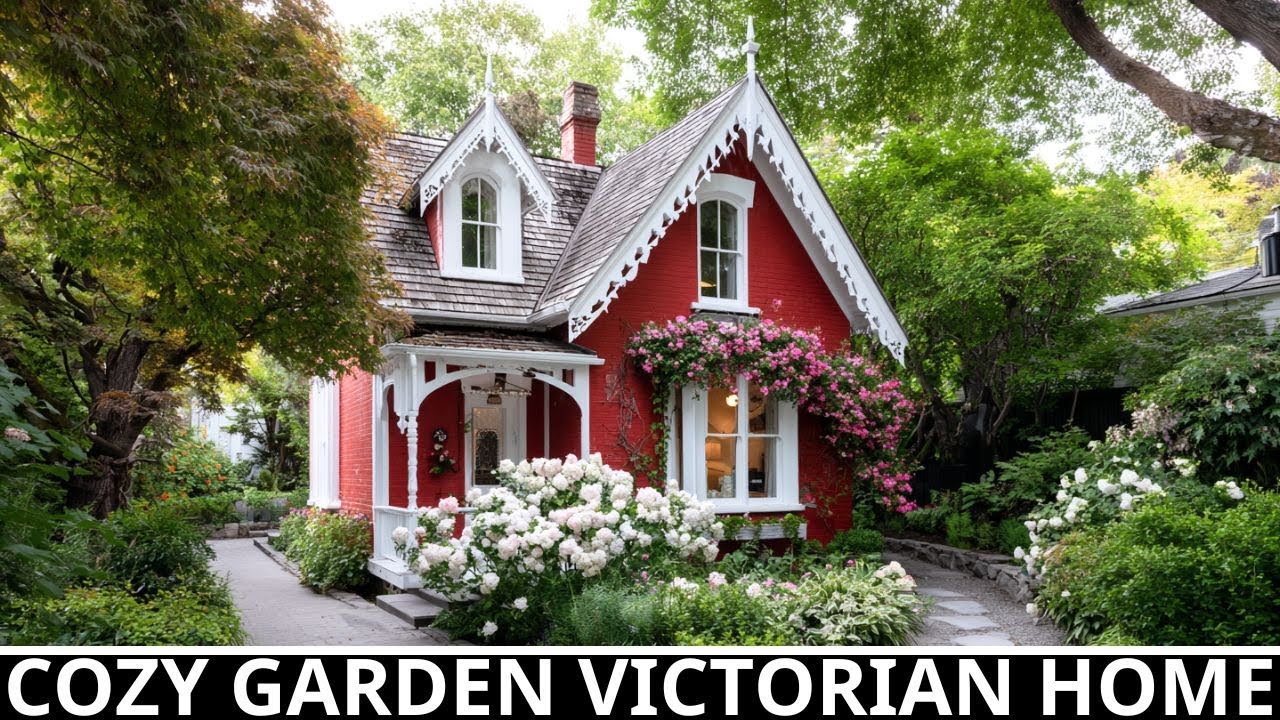
Discover the timeless charm of Victorian architecture in this video, featuring stunning red brick house designs set in a cozy garden. Learn about the history of Victorian homes, their elegant details, and how red brick adds warmth, durability, and character to classic designs. Perfect for anyone looking for garden home inspiration, home design ideas, or architectural creativity. Watch as we explore the beauty of Victorian style houses, combining traditional craftsmanship with natural surroundings. Don’t forget to like, comment, and subscribe to Cozy Home Design for more inspiring home design tips and ideas.
[Music] Welcome to Cozy Home Design. In today’s video, we explore the timeless beauty of Victorian architecture and how the rich, warm tones of red brick can transform a garden home into a charming and elegant space. Join us as we dive into the history, design details, and creative ideas that make Victorian homes truly special. [Music] Heat. [Music] Heat. [Applause] [Music] [Music] Part one, history of Victorian architecture. Victorian architecture emerged during the reign of Queen Victoria in the 19th century. It reflects the industrial growth and cultural changes of the era. The style is characterized by ornate details, steep roofs, and decorative trim. Architects often drew inspiration from earlier historical styles, combining them in unique ways. This eclectic approach made Victorian homes instantly recognizable. [Music] One of the most notable influences on Victorian design was the Gothic Revival. Pointed arches, intricate carvings, and tall windows were common features. These elements gave homes a sense of elegance and verticality. The style often emphasized craftsmanship and decorative artistry. Victorian architects celebrated the beauty of handcrafted details. [Music] [Music] [Laughter] [Music] Italian design also shaped Victorian architecture. Low pitched roofs, wide eaves, and bracketed cornises became popular elements. Tall, narrow windows added a graceful rhythm to building facades. This influence made homes appear stately and sophisticated. Italian and Victorian homes often featured symmetrical proportions and classical touches. [Music] Heat. Heat. [Music] Another common Victorian style was Queen in architecture. Asymmetry, textured surfaces, and patterned shingles define this approach. Towers, turrets, and bay windows created visual interest. Homes were often painted in multiple colors to highlight architectural details. The style encouraged creativity and individuality in residential design. [Music] Heat. [Music] Heat. [Music] Industrialization played a key role in spreading Victorian architecture. Pre-fabricated materials and mass-produced decorations made elaborate homes more accessible. Ironwork, stained glass, and intricate woodwork became common features. These advances allowed architects to experiment freely with design. Victorian houses became symbols of progress and prosperity. [Music] Victorian gardens and landscapes also reflected the style’s elegance. Formal layouts, flower beds, and winding paths complemented architectural details. The garden became an extension of the home’s personality. Garden design emphasized harmony with natural surroundings. Outdoor spaces were designed to impress visitors and provide leisure. [Music] [Applause] [Music] Regional variations influenced Victorian architecture worldwide. In the United States, styles like stick and shingle added local character. In Australia and Canada, adaptations included verandas and decorative woodwork suited for the climate. Despite differences, all Victorian homes maintain an emphasis on detail and ornamentation. Cultural context shaped the materials and methods used. Each region added its own unique charm. [Music] The interior of Victorian homes mirrored the exteriors complexity. High ceilings, decorative moldings, and elaborate staircases were common features. Rooms were often arranged to create a sense of formality and order. Patterns in wallpaper, textiles, and furnishings reflected personal taste. Victorian designs celebrated both beauty and functionality. [Music] The Victorian era also embraced technological innovation in homes. Gas lighting, indoor plumbing, and heating systems became increasingly common. These improvements enhanced comfort and convenience for residents. Architectural design incorporated these features elegantly. The integration of technology marked a new era in residential living. [Music] Heat. Heat. [Music] [Applause] [Music] Over time, Victorian architecture became a symbol of history and nostalgia. Today, preserved Victorian homes are admired for their craftsmanship and charm. The style continues to inspire modern design, blending classic beauty with contemporary living. Victorian houses remind us of a period of creativity and elegance. They remain timeless icons in architecture worldwide. [Music] [Music] Part two. Applying red brick and Victorian design. Red brick adds warmth and character to Victorian architecture. Its natural color enhances the intricate details of the facade. Brick work can highlight patterns, arches, and trim. Using brick emphasizes both durability and elegance. It creates a timeless and inviting appearance in residential design. [Music] Victorian homes. Built with red brick often combine masonry with decorative elements. Stone accents, wooden trims, and terracotta details complement the brick. This mix creates visual contrast and richness. Brick allows for intricate patterns such as herring bone or Flemish bond. These techniques showcase craftsmanship and attention to detail. [Music] [Music] Red brick also performs well in varied climates. It provides natural insulation and long- lasting strength. Its texture weathers beautifully over time, developing a sense of history. Brick walls can support elaborate Victorian features like towers and bay windows. Practicality and aesthetic appeal are perfectly balanced. [Music] [Music] patterns in brick work can define the architectural style. Flemish bonds, corbolling and decorative arches enhance the facade. Color variation in bricks adds depth and interest. These details reflect the creativity of Victorian design. Brick becomes both a structural and artistic element. [Music] [Music] [Music] [Applause] [Music] Red brick creates a strong visual connection to the surrounding garden. Its earthy tones harmonize with greenery and natural landscaping. Walkways, patios, and garden walls complement the brick home. This integration enhances the overall aesthetic of the property. A house feels grounded in part of its environment. [Music] [Music] [Applause] Heat. [Music] Victorian design often emphasizes verticality and proportion. Red brick can accentuate tall chimneys, towers, and gables. Layered textures and contrasting mortar lines enhance these features. The combination of form and material emphasizes elegance. Brick gives a sense of permanence and grandeur to Victorian structures. [Music] Decorative brick elements allow creative expression. Arched windows, patterned cornises, and detailed lentils become focal points. Brick carving and relief work highlight artistic craftsmanship. Such elements reinforce the home’s historical and cultural identity. Red brick serves as a canvas for architectural storytelling. [Music] [Music] [Music] Red brick also pairs well with modern updates in Victorian homes. Combining traditional masonry with contemporary windows or doors creates harmony. The contrast between old and new emphasizes timeless style. It allows for functional improvements without losing charm. Brick ensures that the home remains both beautiful and practical. [Music] [Music] Maintenance of red brick is simple yet essential. Proper ceiling and occasional cleaning preserve its color and texture. Over time, brick develops a natural patina, enhancing the character of the house. Well-maintained brick contributes to the home’s long-term value. Its longevity ensures that Victorian aesthetics endure for generations. [Music] Heat. Heat. [Music] Overall, [Music] red brick strengthens the visual and structural impact of Victorian architecture. It highlights historic details while providing warmth and durability. The material connects the home to tradition and natural surroundings. Brick-based Victorian homes remain timeless symbols of elegance. They inspire designers to blend history, beauty, and practicality. [Music] Heat. Heat. [Music] Heat. Heat. N. [Music] [Laughter] [Music] Thank you for watching Cozy Home Design. We hope you enjoyed this journey into Victorian architecture and red brick design. Don’t forget to like, comment, and subscribe for more inspiring home ideas and design tips. See you in the next video. [Music]
Comments are closed.