
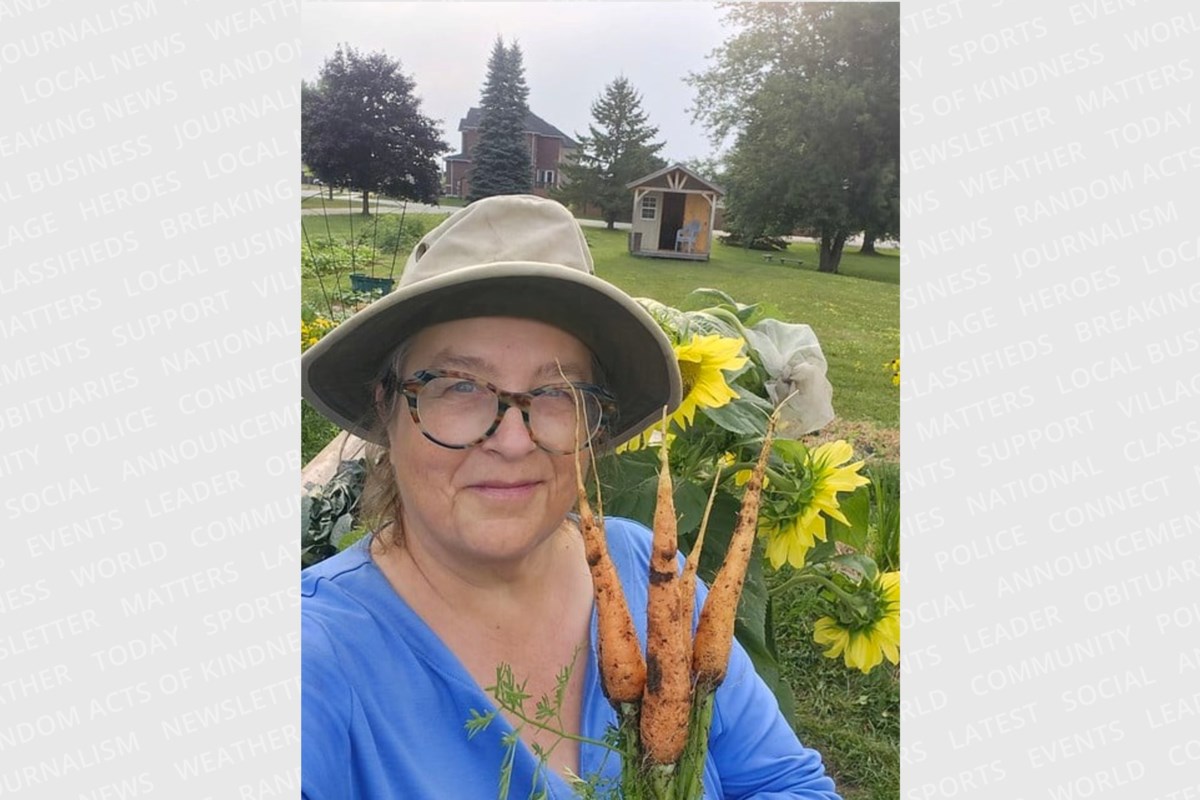
Master Gardener Marianne Lepa writes about caring for indoor plants and prepping for seed sowing in this month’s column
The season of Yule has been celebrated by northern European cultures since before recorded time.
Tied to the winter solstice, Yule was a time of feasting and community. People danced and they sang and they used the light of fire and candles to urge the sun to return.
For pre-Christian Germanic tribes, the winter solstice was a time to decorate homes with tokens of nature.
Evergreen boughs symbolized life and renewal; holly branches warded off evil and their red berries represented strength and potency, while the white berries of mistletoe meant fertility (that’s why today you kiss under the mistletoe).
The Yule Tree, originally one standing outdoors, was decorated with items representing the gifts people wished to receive from the gods and was festooned with berries and nuts that the birds carried off to feed the spirits of the land.
More than 2,000 years later, these December traditions are still played out in many homes around the world.
Holiday Greenery
Today, most of us purchase our holiday greenery rather than collect it ourselves. Fresh greenery will last indoors for only about two weeks, so plan your purchases accordingly. Outdoor greenery in containers will last through most of the winter.
If you do collect your own, make sure you have permission from the property owners and do not collect green material from parks or nature reserves.
When you purchase greenery, store it outside, somewhere cool and dry, until you are ready to use it.
A garage or shed is ideal. Before using your boughs indoors, they need to be rehydrated. Fill a sink or large tub with room temperature water, make a diagonal cut at the base of the stem, and then lightly crush the end with a hammer. Set the greens in the water for a few hours.
You may also wish to spray them with an anti-desiccant spray after they have soaked. It’s not necessary but it does help the foliage to retain moisture.
Avoid placing your arranged greenery in direct sunlight and if you are weaving mini-lights in the boughs, be sure to use LED lights that do not get hot. Mist your greenery daily, (unless you used an anti-desiccant), to help them stay looking fresh and last longer.
One caution: holly and mistletoe berries can be toxic, so be sure to keep them out of reach of pets and small children.
Poinsettias
In modern-day Yule decorations, the poinsettia is ubiquitous. Native to Mexico and Central America, Canadian greenhouses produce more than five million poinsettias annually. While red poinsettias remain the most popular, there are varieties in white, pink and variegated colours.
Interestingly, the coloured parts of the plant are not flowers. They are bracts, a type of leaf that changes colour to draw the attention of pollinating insects to the actual flower that sits inconspicuously in the centre of the coloured bracts.
To keep your poinsettia looking its best through the holiday season, make sure it is placed in bright light, out of direct sun and out of cold drafts. They don’t need fertilizing while their bracts are in colour. Water your poinsettia when the soil feels dry to the touch. But poinsettias don’t like wet feet! Make sure the pot has drained and is not sitting in puddled water.
Poinsettias are a perennial plant in their native land and can be treated as a non-hardy perennial houseplant that will bloom and colour from year to year if certain conditions are met.
If you are interested in keeping your poinsettia as a houseplant, the University of Minnesota Extension has a useful guide to growing and caring for them.
Amaryllis
If you receive an amaryllis as a gift or have started one from a bulb, allow the soil to dry out before watering. Like poinsettias, amaryllis do not like to be in standing water. Make sure the pot has drained well after watering. You can fertilize an amaryllis at every watering with a water-soluble fertilizer that is high in phosphorus, a 10-20-15 fertilizer is recommended.
Keep the amaryllis in direct sun until it begins to flower, then move it to bright indirect light for the flowering period.
If you wish to keep your amaryllis for another year, cut the flower off after it has faded, but don’t cut the stem. Cutting off the flower keeps them from forming seeds that will deplete the energy of the bulb, while the flower stem will continue photosynthesis and feed the bulb with the energy it needs to leaf out and bloom next year. The University of Minnesota Extension also has a guide to growing and caring for amaryllis.
Cyclamen
Another popular plant found around the holidays is Cyclamen. These winter-blooming plants are native to southern Europe, Asia and North Africa. Cyclamen are moisture and humidity-loving, cool-weather plants that are difficult to keep alive in our dry, heated Canadian homes.
Cyclamen need bright, indirect light and cool temperatures. They need to be kept moist and humid while flowering.
This can be accomplished by placing the pot on a tray of gravel that is kept wet and by frequent watering. Don’t let the soil get dry. Keep the plants away from heat sources and warm drafts.
Fertilize occasionally with a houseplant fertilizer for blooming plants. They will go dormant in late spring for 2-3 months. If you wish to keep a cyclamen through the summer and bring into bloom again next winter, water lightly through the dormant period. They can be moved outdoors, but must be protected from heavy rains. Be sure to bring them back in before the weather turns cold.
Garden tasks this month
Winter is definitely upon us. I hope you were able to complete your outdoor garden tasks before it turned cold. If not, it’s not too late to mulch beds, wrap the trunks of fruit trees and provide protective covers for shrubs.
If you weren’t able to plant your bulbs in November, you still can do it as long as the ground hasn’t frozen. No more dawdling though, you are out of time.
When planning for the snow that’s coming, be careful about the products you choose for de-icing and traction on sidewalks and driveways. Avoid products with sodium chloride and choose plant-friendly products made from calcium chloride or potassium chloride. Plain sand, of course, is the most organic choice.
Now that our attention has turned indoors, this is a good time to give our houseplants a thorough cleaning. Indoor plants get dusty and that dust clogs the pores in the leaves that help them breath and it will affect the amount of light they are able to absorb.
You can wipe the leaves of your houseplants with a damp cloth or you can give them a full spa day in the bathtub. Put all your plants into the bathtub without their drainage trays and treat them to a room temperature shower. Use a gentle stream and be very careful that the water isn’t hot.
Let them drain in the tub, soaking up the water and humidity of the room. Be sure to shake off any excess water and dry the pot before returning them to their usual place.
Planning for next year
Now that Canada Post has suspended strike activity, we can expect seed catalogues to start arriving any time.
Before you start ordering, review the last season for what went right and where things could have been better. If you keep a journal, this will be an easy task. But even if you don’t keep a written journal, if you sit with a pen, paper and a cup of tea, you will remember how things went. Check your camera roll for memory prompts, if necessary. Make notes on what you’d like to do again and what you’d like to change.
Now open those catalogues and have a look at what’s new and what you’d like to grow next year.
If you winter sow seeds that need cold stratification, gather your containers and make sure they are clean and ready to go. You can start any time between now and February. For hints and tips, check out the Winter Sowing guide from Savvy Gardening.
I wish you all a happy holiday season. I will be back in the new year.
Marianne Lepa is a Master Gardener based in Collingwood.
Comments are closed.