
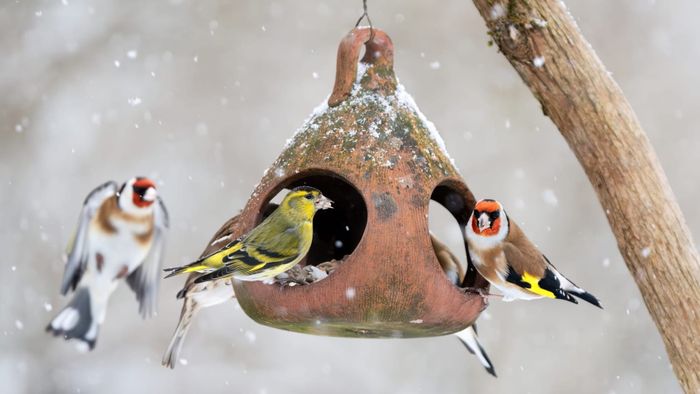
WINTER WARNING: There are loads of well-meaning bird feeding habits that can be danerous(Image: Getty)
As temperatures drop and peak bird-feeding season arrives, garden bird expert Lucy Taylor has renewed her yearly warning about foods that can harm – and even kill – wild birds. Winter brings a surge in well-meaning people distributing extra food as natural sources dwindle and migrants arrive.
Despite these good intentions, many households still offer foods that are dangerous to birds without realising it. Wildlife charities report a yearly spike in sick or dying garden birds during the colder months.
A significant share of these cases is linked to unsuitable foods such as salty scraps, liquid fats, mouldy leftovers and even bread. Understanding what to avoid can make a major difference to garden bird health this winter.
WILDLIFE ADVICEWhat not to feed the birds in your garden
Lucy, from Vine House Farm Bird Foods, said: “For most people feeding the birds in their gardens, all the food they put out is purchased for just that purpose – so products such as sunflower hearts, seed mixes and suet products, etc. There are also useful and healthy additions to put out which most households would already have, with a good example being apples – which are a great food in the winter months to attract Blackbirds and migrant Fieldfares.”
“However, most of the food types we keep in our homes for our own consumption are not suitable for garden birds, and indeed some are can be very harmful to them. So here we’ve listed some key examples of foods not to put out in your garden for birds.”
Bread
Lucy explained: “It’s now widely known that feeding bread to ducks at local ponds and rivers is not a good thing to do, but actually the same is true for garden birds such as House Sparrows and Starlings, which will readily eat bread. The main issue is that bread not only has little nutritional value for birds, but it also fills their stomachs quickly, which discourages them from feeding on other foods which would be of benefit to them.”
Foods that contain salt
Lucy said: “Most processed foods are high in salt with a prime example being bacon. Some cooked firm animal fats which don’t contain salt are fine for birds, but bacon fat most certainly isn’t. And to be clear on the problem: salt is toxic to songbirds – even in small quantities.”
Fat that is relatively liquid
Lucy pointed out: “We all know that suet-based products such as fat balls are great for many species of garden bird, but one of the reasons birds are able to safely consume it is because the product is firm. In contrast, fat, which is much less firm – e.g. on the remains of a roast chicken or turkey – can mean that birds can end up with the fat on their feathers as they attempt to feed on it, with this potentially impeding their ability to fly.”
Other foods to avoid
Desiccated coconut is highly dangerous because it can swell inside a bird’s stomach and become fatal. Chocolate should also never be offered, as it is toxic to birds, reports Steven Smith in the Mirror.
Comments are closed.