
Technically the new year begins on January 1 but that’s not really true for gardeners. Our year begins more or less now, a month before everyone else, and I like to think of this as Gardeners’ Saving Time. This is when we take stock, assess the wins and losses of 2025 and plan for the new year. What lies ahead? Here are some key trends coming our way.
Lemonading
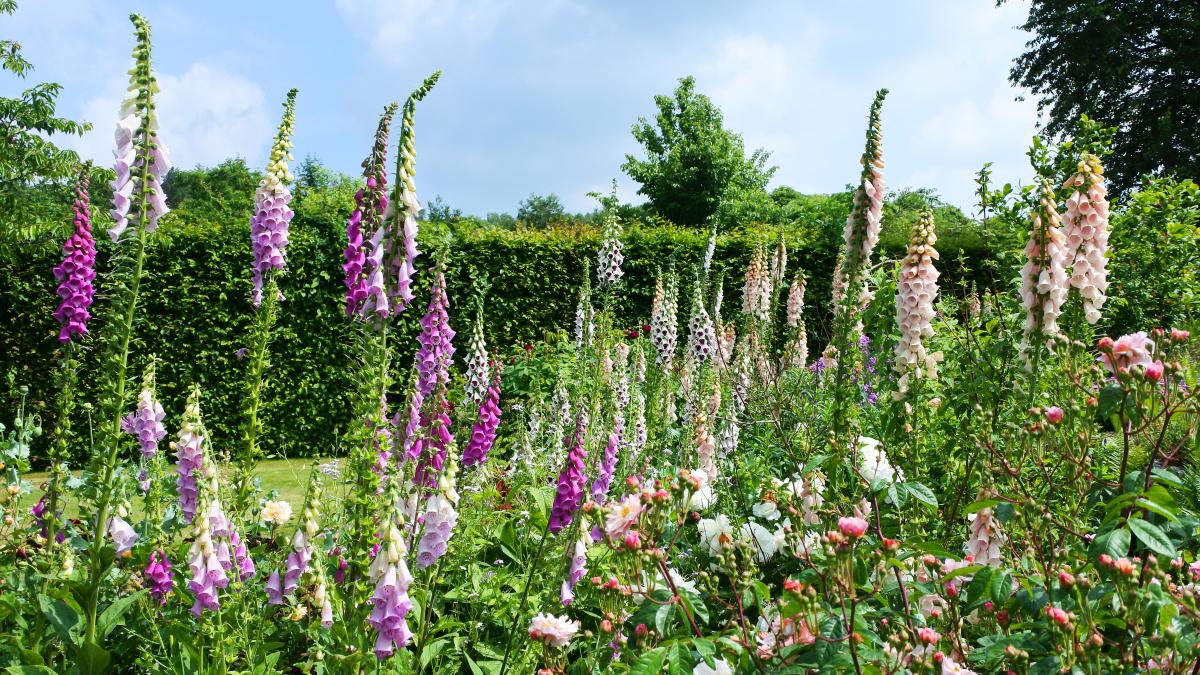
In general, I don’t approve of verbification but there is no denying the appeal of this idea which is, basically, if you’ve got lemons, make lemonade. In this case “lemons” refers to unintentional garden outcomes and/or what some might call, er, mistakes. You know the ones. That self-seeded shrub/tree/plant that you forgot to dig up (try and love it). The pond that sprang a leak (bog gardens can be great). Foxgloves springing up everywhere (be pleased, some people pay a lot to have something similar). The blackberry vine that has taken over a corner (grow it up a support and make pie). It’s all about celebrating the unexpected.
Smart gardening
The Avanade Intelligent Garden at Chelsea Flower Show designed by Tom Massey
MAUREEN MCLEAN/ALAMY
This has two main prongs. The most obvious are “smart” systems such as robotic mowers, automated watering, self-controlled lighting etc. Far more intriguing are some of the ideas showcased in Tom Massey’s “Intelligent” Garden at Chelsea this year where sensors tracked tree health, including growth, soil, air quality, sap flow. It’s all about spotting issues early and using AI to enhance our decision-making (not replace it). His garden will be relocated this year at Mayfield Park in Manchester where the “tree talk” will continue.
• Read more expert advice about gardening
Botanical bento boxes
The love affair with all things Japanese continues by creating garden “rooms” based on the idea of the bento box — a lunch box with compartments for each complementary ingredient (rice, protein, veg, sauces etc). This translates into making sure that every item in a garden space contributes to the overall theme. It is thoughtful and highly controlled (no room for rogue one-off garden centre splurges). Can be done in “rooms” or “pockets” in a larger garden, or on a patio, choosing every ingredient (paving, planting, furniture etc) to mesh seamlessly.
Purposeful gardening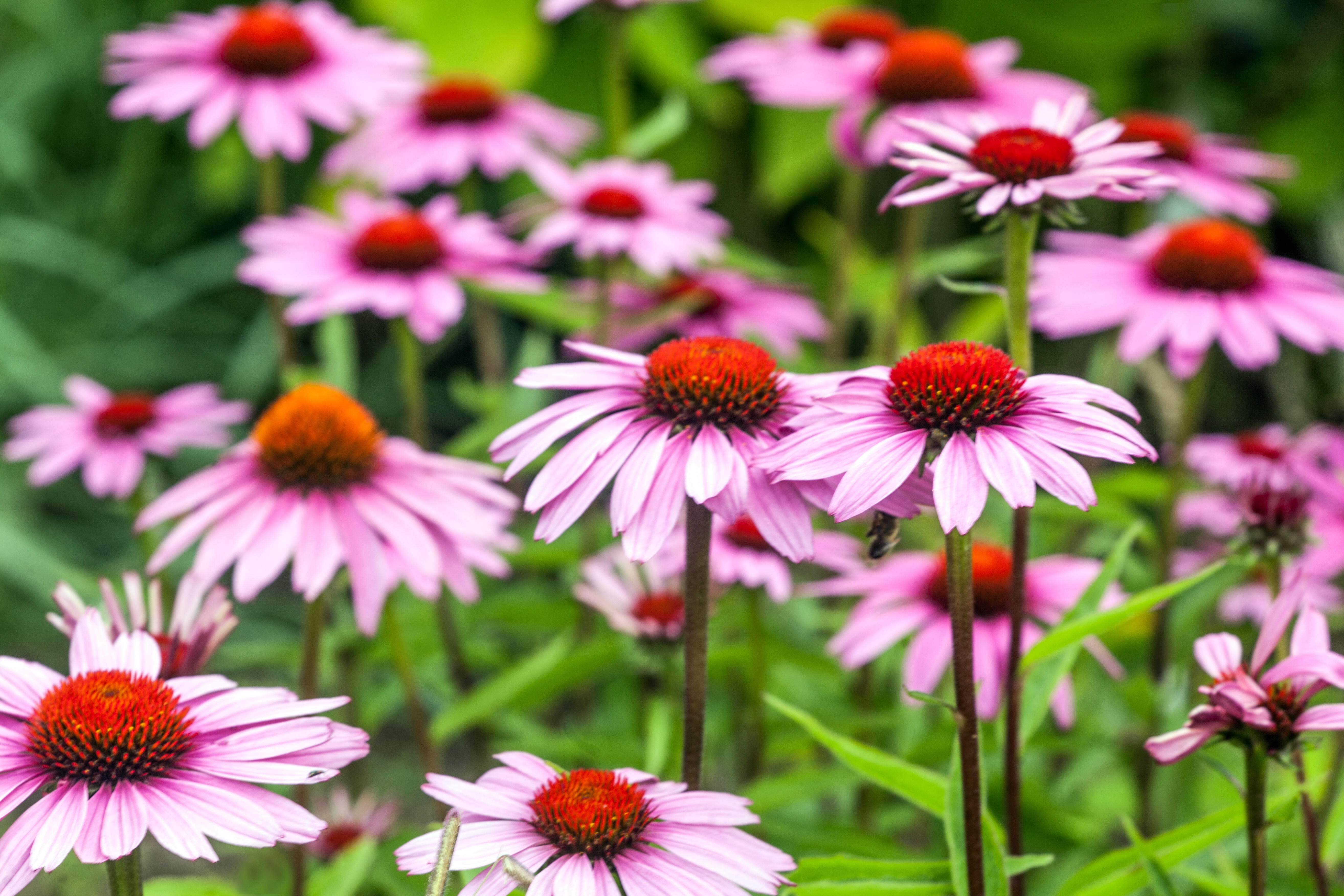
Echinacea is a drought-tolerant plant
ALAMY
This inclusive term is all about how we accommodate climate change in our gardens. It includes moves towards planting more drought-tolerant species such as lavenders, echinacea, salvias, spurges, herbs such as marjoram and some ornamental grasses. It embraces sand and gravel gardening and using compost and gravel to enhance drainage. It is water-wise and wildlife-friendly (though not obsessive on either count). Purposeful gardening incorporates many of the trends from past years to create gardens that are beautiful and in tune with changing conditions.
Bulbs, bulbs, bulbs
Our appreciation for bulbs is growing, both in how many we use and where we put them. It’s a more, more, more attitude that includes planting them in containers of all shapes and sizes, in lasagnes and woven through borders, lawns, meadows etc. Farmer Gracy, the online bulb seller, reports that gardeners are experimenting with unusual forms and colours — coppery tones, dusky pinks, near-black. Late and early-flowering varieties create interest for as long as possible.
More buzzwords for 2026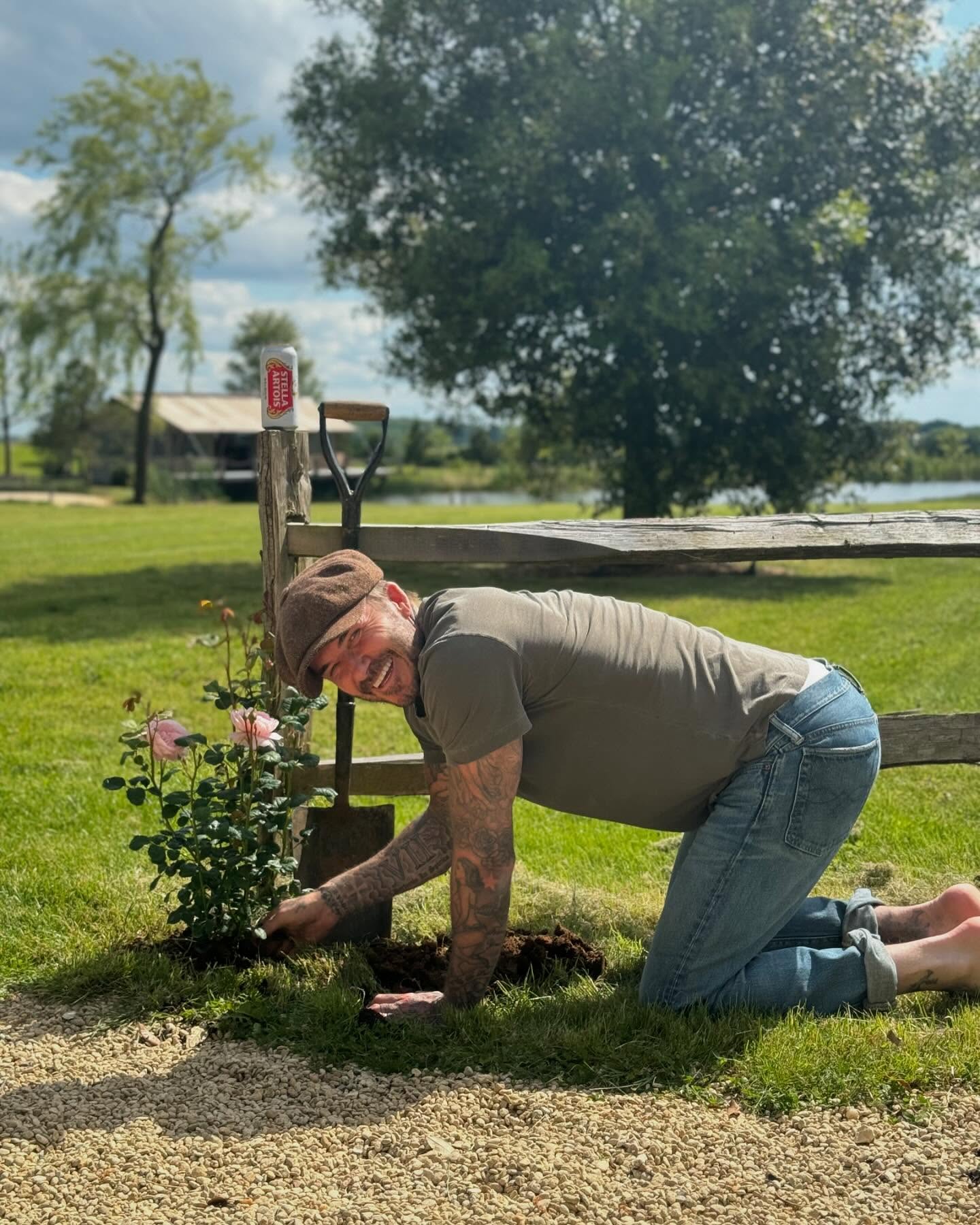
Beckham has become a gardening advocate
DAVID BECKHAM/INSTAGRAM
Indoor/outdoor expands to include seasonal arrangements and wreaths (eg twisted branch displays, wild clematis wreaths, dried seedheads) placed out in the garden and inside. There’s pet love as in barkitecture and catio garden spaces. Blush pink (not Barbie candyfloss) will be big. Finally, there’s David Beckham, former footballer and underwear model, budding national treasure and celebrity gardener, who is creating a garden at Chelsea this year.
• David Beckham launches a project to encourage more green-fingered people
Gardener’s question
Q: Is there a solution on how to deal with walnut tree leaves when it comes to compost? Both the compost heap and the leaf mould heap, even with the help of the lawnmower, do not break down their wooden centre rib.
Amoret Tanner
A: Walnut leaves are toughies in general and, in a compost heap, they can matt together, impeding the flow of air and slowing decomposition. Shredding them first, or mowing over them several times, should break them down (including the rib). A more difficult issue is that walnuts have a chemical called “juglone” that, when secreted into the soil, actively inhibits other plants. The process is called allelopathy and, while great for walnuts, it’s obviously not ideal for others (especially sensitive souls such as tomatoes). In a heap, juglone should break down in a relatively short time (two to four weeks) but it’s safer to allow compost to mature for several months (as most of us do anyway). The black walnut (Juglans nigra) has more of the chemical than the English one (J regia).
Do you have a gardening question? Ask Ann Treneman
Send your question to gardenquestions@thetimes.co.uk for Ann’s new segment on gardeners’ dilemmas
Comments are closed.