
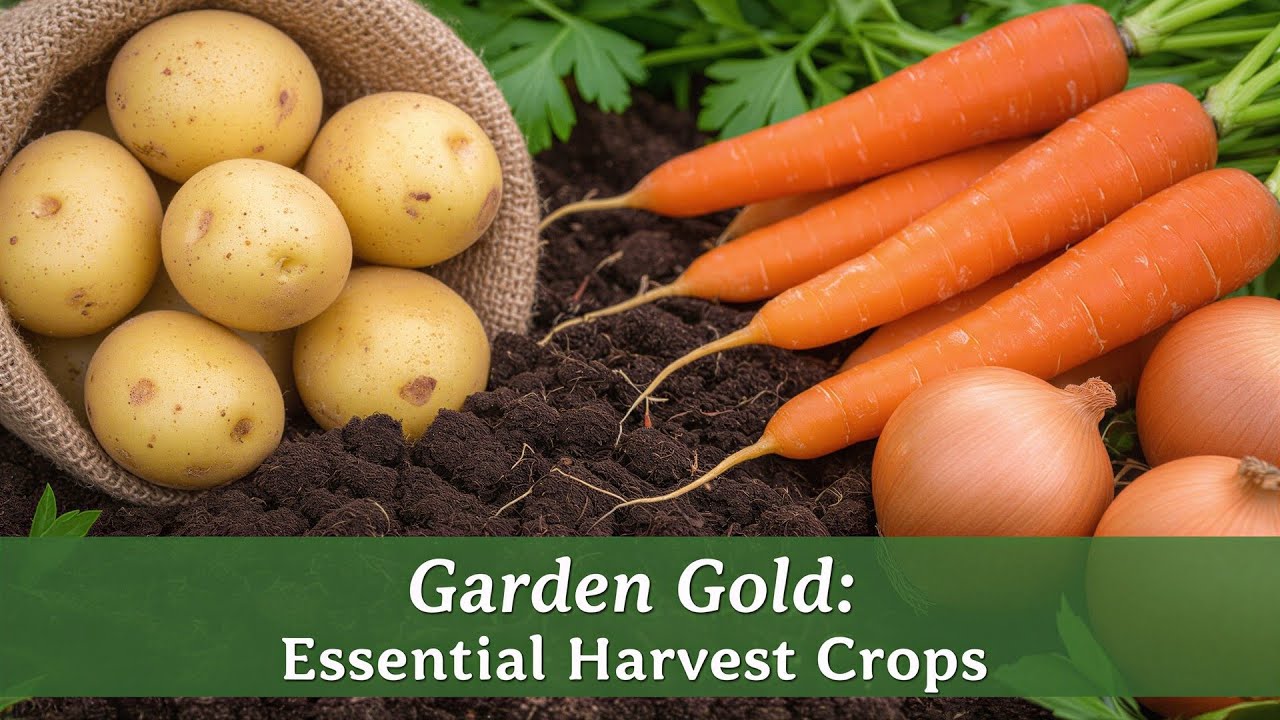
🌱 Want to become more self-sufficient and grow your own food right at home? In this video, we’ll reveal 10 must-grow crops every self-sufficient garden needs — from high-yield vegetables to nutrient-rich staples that will keep your family fed all year long! Whether you’re starting a self-sufficient backyard garden, a homestead on a quarter acre, or a small-space urban food garden, these are the best crops for long-term sustainability, food security, and self-reliance. Learn how to grow your own food, store harvests, and maximize yields even in a small space. If you’ve ever dreamed of living off the land, reducing grocery bills, and creating a self-sustaining garden, this video is your complete guide to getting started! 💧Below are my Top Picks for anyone wanting to grow more food and live self-sufficiently! 👉 Don’t forget to like, comment, and subscribe for more organic gardening and self-sufficiency tips! 🌱 The Only Book You Need To Become Self-Sufficient On Just 1/4 Acre!
📘 The Self-Sufficient Backyard by Ron & Johanna Melchiore
👉 https://independentbackyard.com/my-book/#aff=PeakGardenPicks
(Affiliate link – I may earn a small commission at no extra cost to you)
🌿 How To Grow A Year’s Worth Of Food In Less Than 100 Sq Ft!
📗 The 5 Minute Garden
👉 http://www.5minutegarden.site/#aff=PeakGardenPicks
(Affiliate link – I may earn a small commission at no extra cost to you)
🌾 The Holy Grail Of Self-Sufficiency!
💧 The Backyard Miracle Farm
👉 https://www.digistore24.com/redir/427920/PeakGardenPicks
(Affiliate link – I may earn a small commission at no extra cost to you)
🍅 Want To Ditch The Grocery Store For Good?
📙 The Homesteader’s Handbook by Tim & Amber Bradshaw
👉 https://digi.homesteadingbook.com/#aff=PeakGardenPicks
(Affiliate link – I may earn a small commission at no extra cost to you) #SelfSufficientGarden, #GrowYourOwnFood, #HomesteadGardening, #SurvivalGarden, #SustainableLiving
Welcome, fellow gardeners and homesteaders. Today, we’re diving deep into the heart of self-sufficiency, exploring the 10 indispensable crops that form the backbone of any resilient garden. Cultivating your own food is a powerful step towards independence, providing fresh, nutritious sustenance right from your backyard. These selections aren’t just about taste. They’re about yield, nutritional density, storage potential, and ease of cultivation. Mastering these 10 crops will significantly boost your food security and reduce your reliance on external food systems. Let’s get started on building your ultimate self-sufficient garden. Potatoes are a caloric powerhouse and incredibly versatile. They provide essential carbohydrates and can be grown in various climates with relatively little fuss. A single plant can yield several pounds, making them highly efficient. They store exceptionally well in cool, dark conditions, lasting for months. This makes them a perfect staple for year round food security. Potatoes are also easy to propagate from existing tubers, ensuring a continuous supply. Sweet potatoes offer a different nutritional profile, rich in vitamins A and C. They thrive in warmer climates and are remarkably productive, yielding abundant tubers from a single slip. Their sprawling vines also help suppress weeds. Like regular potatoes, sweet potatoes store well for extended periods. They are incredibly versatile in the kitchen. Suitable for both sweet and savory dishes. This crop adds valuable diversity to your self-sufficient diet. Beans are a cornerstone of self-sufficiency, providing vital protein and fiber. Bush varieties are particularly good for smaller spaces, requiring no trellising. They are quick to mature and offer continuous harvests. Dried beans store almost indefinitely, making them an excellent pantry staple. Furthermore, beans are nitrogen fixers, improving your soil health for subsequent crops. This makes them a beneficial addition to any garden rotation. Winter squash varieties like butternut, acorn, and spaghetti squash are incredibly valuable. They produce large, nutrient-dense fruits that store for many months without refrigeration. Their hard skins protect them through the winter. These squash types offer significant caloric value and a wealth of vitamins. They are relatively easy to grow, requiring ample space and sun. A few plants can provide a substantial harvest for your family. Tomatoes are a garden favorite for good reason. They are incredibly versatile, perfect for fresh eating, sauces, canning, and drying. Their high yield means a few plants can produce enough for preservation. While some varieties require staking, their productivity makes the effort worthwhile. Saving seeds from open pollinated varieties is straightforward, ensuring future harvests. Tomatoes are a cornerstone of many self-sufficient kitchens. These leafy greens are nutritional powerhouses packed with vitamins and minerals. They are incredibly cold hearty, often surviving light frost and even snow, extending your harvest season well into winter. The top 10 essential crops for every self-sufficient garden. Welcome, fellow gardeners and homesteaders. Today, we’re diving deep into the heart of self-sufficiency, exploring the 10 indispensable crops that form the backbone of any resilient garden. Cultivating your own food is a powerful step towards independence. Providing fresh, nutritious sustenance right from your backyard. These selections aren’t just about taste. They’re about yield, nutritional density, storage potential, and ease of cultivation. Mastering these 10 crops will significantly boost your food security and reduce your reliance on external food systems. Let’s get started on building your ultimate self-sufficient garden. Potatoes are a caloric powerhouse and incredibly versatile. They provide essential carbohydrates and can be grown in various climates with relatively little fuss. A single plant can yield several pounds, making them highly efficient. They store exceptionally well in cool, dark conditions, lasting for months. This makes them a perfect staple for year round food security. Potatoes are also easy to propagate from existing tubers, ensuring a continuous supply. Sweet potatoes offer a different nutritional profile, rich in vitamins A and C. They thrive in warmer climates and are remarkably productive, yielding abundant tubers from a single slip. Their sprawling vines also help suppress weeds. Like regular potatoes, sweet potatoes store well for extended periods. They are incredibly versatile in the kitchen, suitable for both sweet and savory dishes. This crop adds valuable diversity to your self-sufficient diet. Beans are a cornerstone of self-sufficiency, providing vital protein and fiber. Bush varieties are particularly good for smaller spaces, requiring no trellising. They are quick to mature and offer continuous harvests. Dried beans store almost indefinitely, making them an excellent pantry staple. Furthermore, beans are nitrogen fixers, improving your soil health for subsequent crops. This makes them a beneficial addition to any garden rotation. Winter squash varieties like butternut, acorn, and spaghetti squash are incredibly valuable. They produce large, nutrient-dense fruits that store for many months without refrigeration. Their hard skins protect them through the winter. These squash types offer significant caloric value and a wealth of vitamins. They are relatively easy to grow, requiring ample space and sun. A few plants can provide a substantial harvest for your family. Tomatoes are a garden favorite for good reason. They are incredibly versatile, perfect for fresh eating, sauces, canning, and drying. Their high yield means a few plants can produce enough for preservation. While some varieties require staking, their productivity makes the effort worthwhile. Saving seeds from open pollinated varieties is straightforward, ensuring future harvests. Tomatoes are a cornerstone of many self-sufficient kitchens. These leafy greens are nutritional powerhouses, packed with vitamins and minerals. They are incredibly cold hearty, often surviving light frost and even snow, extending your harvest season well into winter. Kale and collards offer a continuous harvest, allowing you to pick leaves as needed. They are relatively pest and can tolerate a range of soil conditions. Their consistent production makes them invaluable. Onions and garlic are more than just flavor enhancers. They are essential for a self-sufficient pantry. Both store exceptionally well for many months in cool, dry conditions, providing flavor and nutrients year round. They are relatively easy to grow and require minimal space. Garlic in particular is planted in fall for a summer harvest, making efficient use of garden space. These alias are also known for their medicinal properties. Carrots are a fantastic root crop, providing essential vitamins and fiber. They are relatively easy to grow in loose, well- drained soil and can be succession planted for a continuous supply throughout the season. Many varieties store well in root cellers or even left in the ground in milder climates. Their versatility in cooking, from fresh eating to soups and stews, makes them a valuable addition. Carrots are a reliable source of nutrition. Cabbage is a highly productive and versatile crop, especially for cooler climates. It provides substantial bulk and nutrients, and its dense heads store well for extended periods in cool conditions. Beyond eating, cabbage is excellent for fermentation into sauerkraut or kimchi, significantly extending its shelf life. This preservation method adds beneficial probiotics to your diet. Cabbage is a true workhorse in the self-sufficient garden. Corn is a high calorie crop that can be used in many ways. Sweet corn is delicious fresh, while dent can be dried and ground into flour or used as animal feed. It’s a staple for caloric intake. Growing corn requires a bit more space, but its yield per plant is significant. Saving seeds from open pollinated varieties is simple, ensuring future generations of this vital crop. Corn provides substantial food security. These 10 crops form a robust foundation for any self-sufficient garden. By focusing on these reliable, nutrient-dense, and storeable options, you can significantly enhance your food independence. Start small, learn as you grow, and enjoy the incredible rewards of harvesting your own
1 Comment
Thanks for watching! Don’t forget to like, comment, and subscribe for more organic gardening and self-sufficiency tips!