
TerraPixels/Shutterstock
In today’s world, we typically expect every kind of fruit and vegetable to be available to us at the grocery store no matter what time of year it is. But if you start a vegetable garden of your very own, you’ll quickly discover that for the most part, the same cannot be said of home gardens; you can have broccoli in the winter, and strawberries in the summer, but rarely both growing at the same time. Still, there are some ways to cheat the system so that you can munch on your favorite homegrown veggies even when it’s not their peak season: by nurturing the plant indoors.
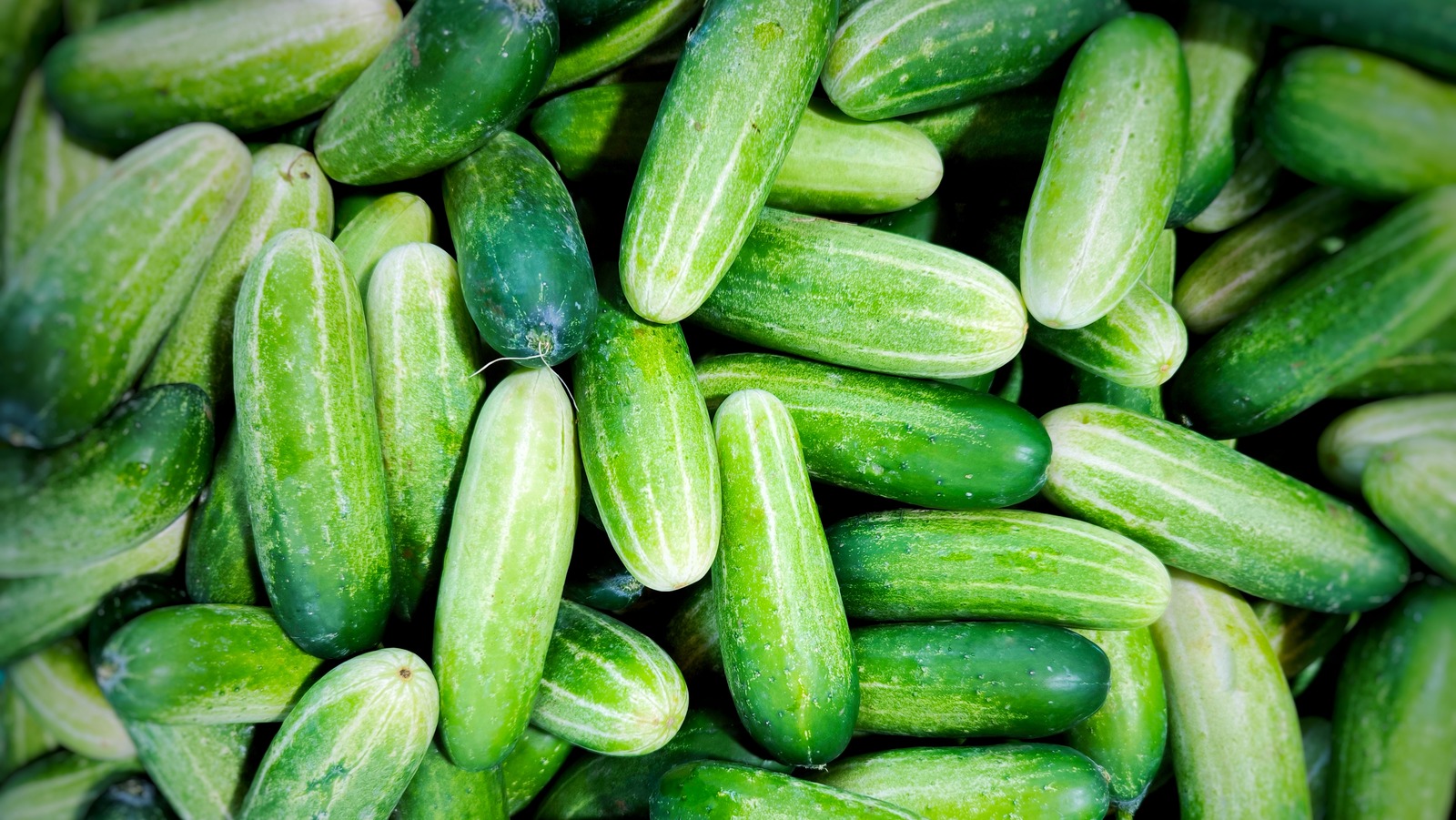
If you’re a cucumber fiend who can’t imagine being without the crunchy vegetable in the winter months, here’s a pro tip: Certain varieties of shorter, bushier cucumbers can yield produce even during the colder months of the year if you grow them indoors and ensure they’re still getting sufficient sunlight. Some of these varieties are also known to not rely heavily on pollinators, which is helpful for indoor growth unless you want to branch out in your gardening knowledge by learning how to hand-pollinate a plant. So don’t fret — so long as you’ve got at least a little bit of a green thumb, you can make the viral TikTok cucumber salad, or a meal of veggie-packed gyros to fill your stomach even when the autumn leaves are gently falling outside your window.
Tips for indoor gardening
Sabbir Media/Shutterstock
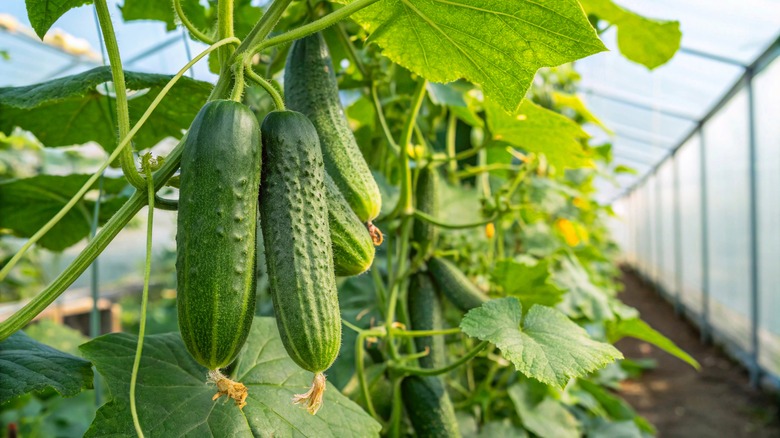
Moving your cucumbers indoors will require a few adjustments from typical growing techniques, and it’s important to keep all the regular basics — the frequency of watering, soil type, and so on — in mind as well. To begin with, don’t just use any old pot; cucumbers need at least a foot of vertical space to stretch out their roots, and they also need a well-draining container with plenty of holes in order to avoid root rot and overwatering. And even though they don’t necessarily need the full summer sun, your goal should be to somewhat simulate summer for these plants. In other words, make sure they have sufficient light and heat. If the sun isn’t shining frequently in the season you’re growing your cucumbers in, consider purchasing a grow light to help.
When you see the plant every day, it can be tempting to want to water it daily, too. At least, for those of us who are chronic over-waterers. But make sure you wait for the top inch or so of soil to be dry before you give it another drink for best results, because cucumbers do not like to grow in soggy soil. And don’t forget, this is a plant that likes to grow upwards. Unless you want it to curl around your curtain rod or staircase, don’t forget to give your cucumber plant some sort of trellis to cling on to. Our final piece of advice? Manage your expectations. Ultimately, plants grow best in the traditional outdoor setting (and during their natural season), so indoor yield might be more sparse or smaller than you’re used to in your outdoor garden. Focus on the excitement of having any plant light up your house out of season, rather than yield numbers, to enjoy the experience more.
Comments are closed.