
Key Points
Potted plants are more vulnerable to cold than those in the ground.Gradually acclimate plants indoors to prevent stress and shock.Some perennials can overwinter indoors and thrive for another season.
Flowering perennials, tropical shrubs and trees, citrus, and herbs are a few popular types of plants gardeners grow in pots to accent their summer outdoor living spaces. Plenty of houseplants benefit, too, from outdoor exposure during the warm season.
Here is why these plants need to come inside from the cold, and the best way to help them survive the stress of moving.
Why Some Potted Plants Can’t Stay Outside Year-Round
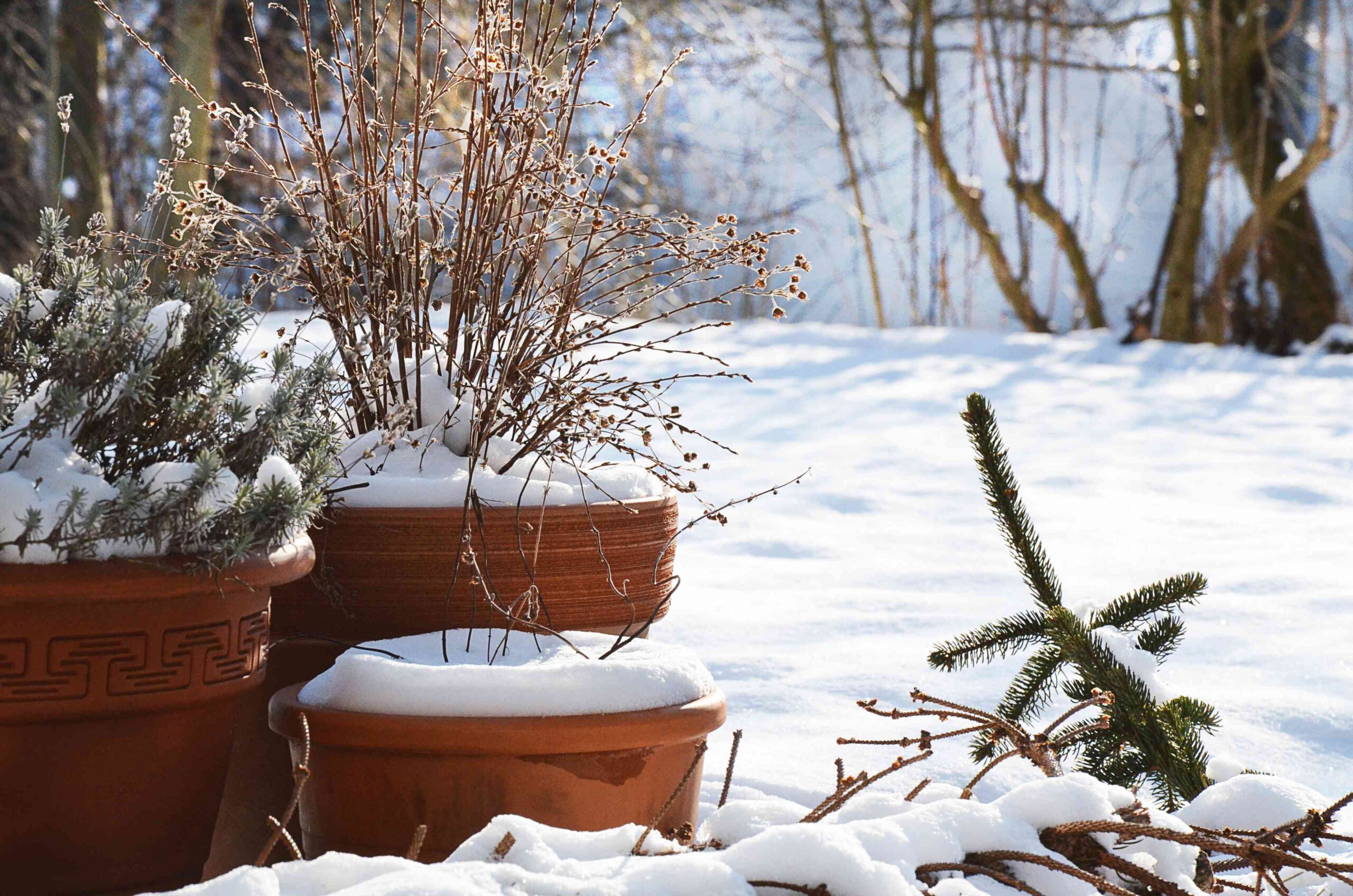
Plants grown in containers have smaller root systems than plants grown in the ground. They can also become rootbound, which causes roots to circle the inside perimeter of the pot. This increases vulnerability to freezing, freeze/thaw cycling and rot caused by excess moisture.
Snow and other winter precipitation can settle in the lower portion of the container and form ice blocking drainage holes. The sun may warm the soil surface during the day, but the lower portion of the pot may stay frozen or even thaw and refreeze, exposing the rootball to frost heaving.
Plants grown in the ground spread roots out both horizontally and vertically. Exposure to frosts and freezing temperatures is limited, affecting mostly the above-ground parts of the plant. Containers limit the amount of soil needed for adequate insulation and also expose roots to adverse weather conditions from the top, bottom and every side.
Want more gardening tips? Sign up for our free gardening newsletter for our best growing tips, troubleshooting hacks, and more!
Moving containers indoors gives you control over temperature, humidity, watering and light exposure for plants that don’t survive winter temperatures or don’t require a period of cold dormancy. Here are 6 types of potted plants to bring inside before frost occurs in your region.
Tropicals: Palms, monsteras, figs, citrus, alocasias, scheffleras and birds of paradise grow in tropical zones where temperatures remain warm year round. Bring them inside before temperatures dip below the plant’s cold tolerance level.
Subtropicals: Cordyline, jasmine, canna, bougainvillea and poinsettias thrive in zones 8 to 10. Move potted plants indoors in lower zones before first frost.
Tender herbs: Rosemary and bay laurel are vulnerable to frost damage in hardiness zones 7 and lower. If you grow other perennial herbs like thyme or parsley in pots, consider bringing them indoors for harvesting throughout winter.
Tender flowering perennials: Hibiscus, geraniums, begonias and fuschias are often grown as annuals in lower hardiness zones but can be overwintered indoors to last more than one season.
Foliage plants: Snake plants, pothos, philodendrons and peace lilies all respond well when overwintered indoors.
Succulents: Bring in aloes, cacti, jade, hens and chicks, haworthias, and hanging baskets like donkey’s tail that thrive in dry conditions and succumb to excess winter moisture.
Plants that require a cold period
Some popular potted plants, including hostas, lavenders, certain ferns, and small evergreen conifers, don’t tolerate extended freezing but still need a period of cold weather and dormancy for continued healthy growth. If you grow these types of plants in pots, move them to an unheated garage or porch and water sparingly through the winter months.
How to Transition Plants Indoors the Right Way
Abrupt changes to their environment stress plants, so take a week or so to acclimate them before placing them in permanent winter locations indoors.
Prune off spent flowers and dried leaves, and remove debris on top of the soil. Soak or spray both the pot and plant thoroughly with insecticidal soap or a solution of dish soap and water to remove excess dirt and insects. Rinse and repeat if necessary, then allow plants and pots to dry.
Move pots to a more sheltered location with a little less sun exposure. Under an eave or onto a porch or covered deck are possible choices.
After several days, begin bringing potted plants indoors overnight. You may want to move them back outdoors for several hours for another day or two before completing the transition to a permanent indoor location.
Leaf drop on indoor plants
It’s not uncommon for potted plants to look a little droopy and drop a few leaves after bringing them indoors. Some plants, like figs, citrus, and schefflera, are more sensitive to environmental changes and may lose a significant amount of foliage. Give your plant one or two weeks to recover by withholding fertilizer and watering only enough to keep the soil from drying out. Once new buds appear, you can begin a regular winter care schedule.
Comments are closed.