
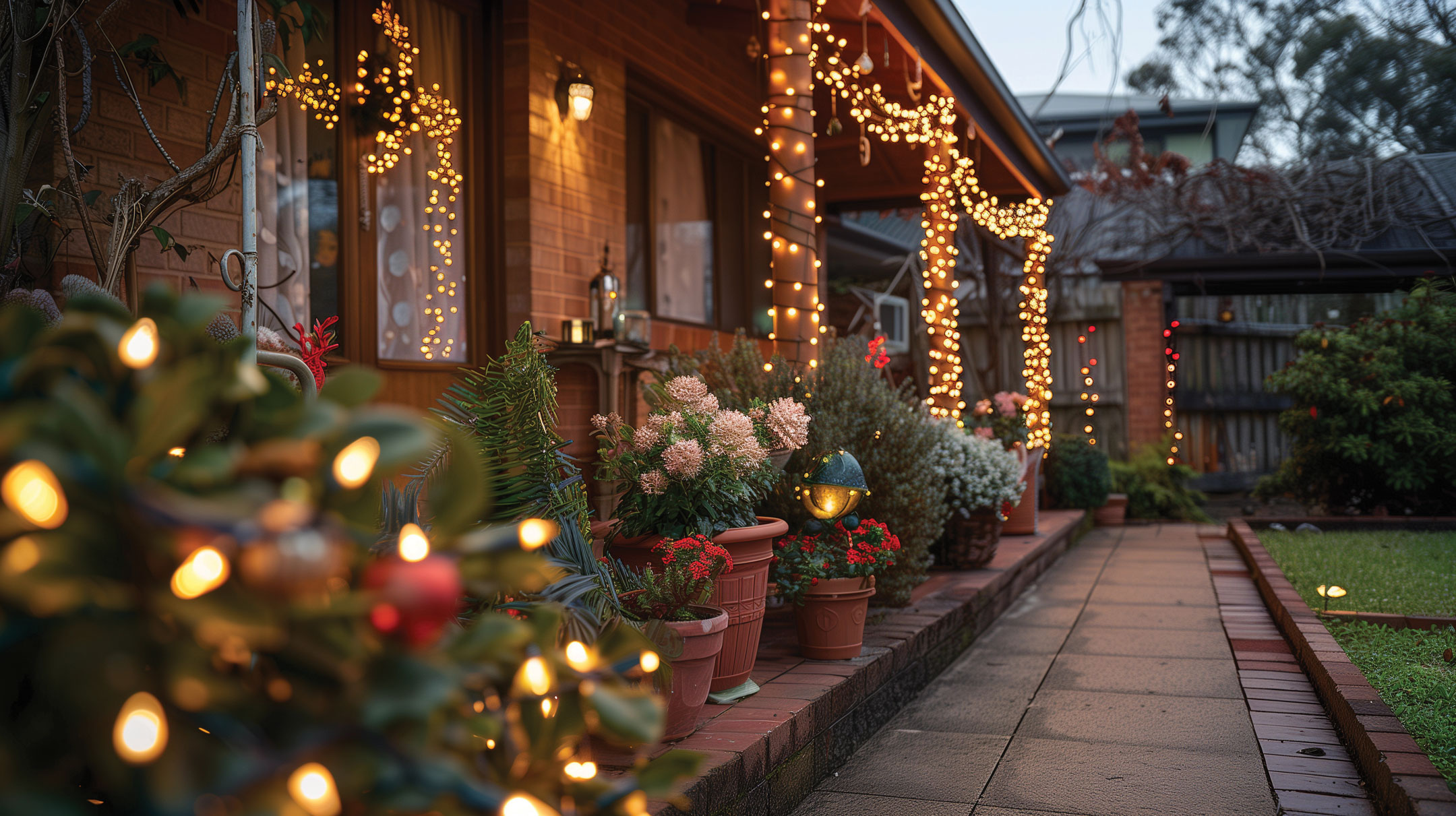
December is the coldest month of the year in our area, but there are a few activities that will get you out in the garden this month. Maybe taking a break from holiday crowds and festivities? Winter begins with the solstice on Sunday, Dec. 21, at just after 7 a.m. in our time zone. This is the shortest and coldest day of the year; why not bundle up, get outside, and celebrate by doing a few garden chores?
Planting: Bare-root planting begins in December for roses, berries, and deciduous trees. Non-deciduous plants that are frost sensitive should not be planted until spring; that includes citrus, bougainvillea, avocado and many types of succulents. Even for frost-hardy species, use a thick layer of mulch to protect plant crowns and roots from freezing. Finish planting bulbs and wildflower seeds. In the edible garden, in addition to perennial herbs, you can still transplant seedlings of most cool-season vegetables. Also plant bulb onions, asparagus, and rhubarb. These last two are perennials, so you won’t be harvesting them until well into next year. You can also plant lettuce and related salad green seeds in cold frames.
Maintaining: Watch for frost warnings and protect your sensitive plants. Plants will survive better if kept moist but not overwatered. Remove old fruits, called “mummies” left on fruit trees. Water citrus trees well this month, if the rains aren’t steady, to have a good crop next year. Deep water your ornamental and stone fruit trees during a dry spell that lasts more than two weeks, even if the trees are dormant. It’s always good to remember that our plants have a timeline much slower than ours, and actions taken now (or not taken) may not show up until next spring or summer.
You can begin to prune your winter deciduous trees, shrubs, and fruit vines, or wait until January, especially if plants aren’t fully dormant and safety isn’t an issue. Don’t prune if frost or rain is expected within the week. Pruning in wet weather increases the risk of fungal infections being able to enter your plants via the fresh cuts. This is especially true for woody shrubs and for trees. Wait for a nice dry sunny stretch to prune. Rainy or foggy days are good days to do your winter planting.
Force your roses into dormancy by removing leaves that haven’t fallen. Mow cool weather lawns, which should be actively growing now, at three inches. This also applies to over-seeded lawns. Don’t mow your lawn too short to avoid disease and crown frost damage. If you have a lawn service, ask them to raise the blades to three inches.
If you had major problems with aphids, mites, scale or whitefly on your fruit trees or roses during the spring and summer, spry with dormant horticultural oil spray after the leaves have fallen to kill overwintering adults. Handpick slugs and snails or set out iron phosphate as bait. You must replace iron phosphate after rain, but it is not toxic to people, pets, and beneficial insects and doesn’t appear to harm soil microorganisms either. In late December, spray early blooming peach and nectarine trees with copper fungicide to control peach leaf curl if you’ve had symptoms this year. You don’t need to proactively use any pesticides; if you don’t have these pest problems, save your money or use it to buy a new plant.
See any white moths around your winter veggies? The moth is looking for good spots to lay her eggs, which will hatch into the cabbage looper and eat holes in the leaves, sometimes decimating the crop. You can’t do much about the moth, but seeing the moth is a signal to start looking under the leaves for the next several days to snag the small, green caterpillars before they do much damage. Large plants can survive some damage, but seedlings can be devoured. The proper chemical control is BT (Bacillus Thuringieis). As always, read and follow the package instructions. Or you can hand pick the tiny caterpillars and toss them where the birds can eat them.
Finally, keep up with cool season weeds so it doesn’t become a tiresome and overwhelming job later. Common household white vinegar or commercially formulated non-systemic organic herbicide can be kept in a labeled spray bottle in the garden to zap weeds on sunny days. Or lightly hoe them out. You can also try piling on more mulch and shading them out, which works well in these December weak-sun days. Hay and straw make good mulch in the edible garden but won’t shade out all the weeds so be ready to do some hand weeding as needed. A layer of cardboard can help but as it disintegrates, look for pill bugs that often are attracted to any kind of decomposing organic material and can also eat your seedlings if their populations are high.
Conserving: BT is not specific to cabbage looper moth; be aware it will kill all caterpillars, so use only as needed and only as a last resort on your ornamental plants. We want to support and encourage most moths and butterflies in our gardens, and to do that we need to tolerate some caterpillars. Most caterpillars, especially on ornamental plants, do only temporary harm and turn into desirable moths and butterflies. And all Lepidoptera are food for birds, lizards, toads, and other creatures in the food chain. Use common sense and a little tolerance for damage to encourage a healthy garden full of interesting life, even in the urban neighborhood.
If you have the space, leave a pile of branches from trees and shrubs for birds to shelter in. And don’t forget the water. Small creeks as part of a water garden design, mister-style sprinklers, or a bird bath with fresh water are all popular with our wild bird friends. When getting ready to prune trees, examine the high branches of large trees for bird nests and avoid pruning if hawks or other birds are nesting.
If you haven’t already done so, cut the flowers off tropical and other nonnative, orange-flowered milkweed varieties. The Monarchs that stick around because of a ready food source will not survive the cold winter; they need to migrate. Consider replacing your nonnative milkweed with a native to a California variety like “Narrow Leaf” (Asclepias fascicularis). Once you have your milkweed established, think beyond a single species to expand the habitat benefits.
Cover bare soil with plants, mulch or erosion control fabrics to reduce losing more of your topsoil. If you have significant storm water runoff, consider installing a creek, rain basin, swale or French drain system.
Have wonderful winter holidays, full of beneficial garden companions and delightful surprises.
This column is not a news article but the gardening advice and opinion of the writer, and does not reflect the views of Mid Valley Times newspaper.
Comments are closed.