
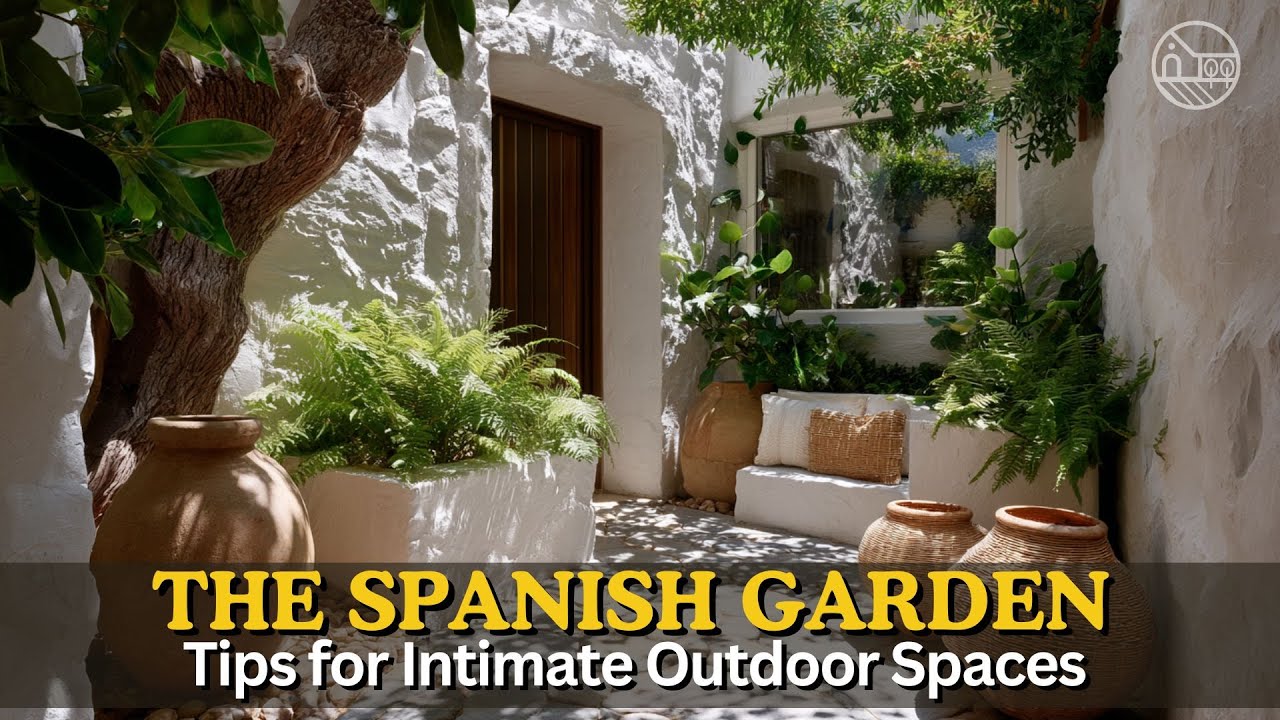
Small Spanish Gardens: Design Secrets for a Tranquil Oasis
Escape the hustle and create your own serene sanctuary! This comprehensive guide reveals the timeless design secrets to transforming any small backyard, patio, or balcony into a breathtaking Spanish-style oasis.
We’ll dive deep into the four pillars of authentic Spanish garden design:
🏡 The Architectural Bones: Learn how to use walls, pergolas, and gates to create a intimate, private retreat.
💧 The Beating Heart of Water: Discover how to integrate simple fountains and reflective pools for instant tranquility and cooling sound.
🌿 The Living Tapestry: Explore the perfect palette of drought-tolerant, fragrant plants like olive trees, lavender, and rosemary that thrive with minimal care.
✨ The Soul & The Details: Master the art of furnishing, accessorizing, and lighting to add layers of comfort and magic, turning your garden into an enchanting outdoor room.
In this video, you’ll get professional tips on:
Maximizing a small space for maximum atmosphere.
Choosing the right materials (like terracotta and whitewash) for authentic texture.
Selecting low-maintenance, climate-appropriate plants.
Incorporating water features on any budget.
Creating a multi-sensory experience with scent, sound, and sight.
Designing for both day and night with magical lighting techniques.
Whether you’re an urban dweller with a concrete slab or a suburbanite with a modest yard, these principles will help you build a personal paradise for relaxation and connection. Say goodbye to a boring outdoor space and hello to your own jardín secreto.
Keywords: small spanish garden, garden design ideas, outdoor oasis, patio makeover, backyard ideas, drought tolerant garden, mediterranean garden, diy garden, tranquil garden, spanish courtyard, garden renovation, landscaping ideas, small space gardening, balcony garden, cozy outdoor space, garden inspiration, water feature diy, terracotta pots, white wall garden, outdoor lighting, sustainable garden, mindful retreat, sensory garden, wellness garden, diy fountain, olive tree patio, lavender garden, spanish style home, garden decor, outdoor living.
#sustainableliving #gardendesign #outdooroasis #diylandscaping #smallgardendesign #mediterraneangarden #gardeninspiration #homesanctuary
[Music] [Music] Close your eyes for a moment. Listen. Can you hear it? The gentle rhythmic splash of water from a simple clay fountain. The soft buzzing of a bee dancing from bloom to bloom on a rosemary bush. [Music] Can you smell the air? It’s dry, warm, carrying the faint herbal scent of sunbaked lavender and the earthy perfume of wet clay after a light rain. This isn’t a dream of a far-off villa in Andalucia. This can be the sensory reality of your own backyard, your balcony, your tiny urban patio. Welcome everyone. Today we are not just designing a garden. We are weaving a spell. We are going to transform your compact outdoor space into a tranquil oasis. A personal sanctuary steeped in the soulful timeless magic of a Jordan secreto. His secret Spanish garden. [Music] In our fast-paced, hyperconnected world, the longing for a quiet, personal retreat has never been stronger. We crave spaces that don’t demand our attention, but instead gently invite us to pause, to breathe, to simply be. And this, my friends, is the very essence of Spanish garden design. [Music] It’s not about vast sprawling lawns or extravagant highmaintenance flower beds. It’s an intimate philosophical approach to space born from a history of dealing with a harsh sun and a desire to create cool private havens. It’s a design language that speaks of romance, of history, of murish ingenuity and Mediterranean simplicity. Now, you might be thinking, “My space is too small. I only have a postage stamp patio, a narrow sideyard, or just a modest balcony. [Music] But here is the most beautiful secret. Spanish garden design at its heart is meant for small spaces. The classic courtyards of Cordoba and Granada, the iconic patios, are often no larger than a modern living room. They are masterclasses in maximizing atmosphere in a minimal footprint. This makes their design principles not just beautiful but incredibly practical and perfectly suited for our contemporary lives where every square foot counts. So whether you’re an urban dweller with a concrete slab or a suburbanite with a forgotten corner, this guide is for you. We’re going to move beyond the cliches and dive deep into the authentic design secrets that make these spaces so captivating. [Music] We’ll explore how to harness the power of enclosure, the soul stirring role of water, the art of choosing the right greenery, and the finishing touches that add that undeniable Spanish soul. We’re about to embark on a journey to create not just a garden, but an experience. A slice of Spanish serenity. right outside your door. Let’s begin. [Music] Section one, the architectural bones. Crafting the circle or the enclosure. The first and arguably most important secret of any Spanish garden is the concept of enclosure. The Spanish don’t fight their space. They define it. They embrace its boundaries. In Spanish, this is often referred to as the circa, the enclosure, the wall. [Music] This isn’t about feeling confined. It’s about creating a profound sense of privacy, intimacy, and protection from the outside world. It’s the canvas upon which we will paint our masterpiece. [Music] Think of it as building the room of your garden before you even choose the furniture. This foundational step is what truly allows the space to become that sensory escape we’re yearning for. [Music] So, how do we create this enclosure? The classic material is, of course, the whitewash wall, a limebased whitewash, which has a subtle, chalky, organic texture. This more than just looks stunning against a blue sky or a green plant. It’s a brilliant ancient technology. [Music] It reflects the harsh sunlight, helping to keep the microclimate of your garden cooler. And it bounces light deep into the space, making it feel larger and brighter. But maybe you have an existing brick or concrete block wall. [Music] Fantastic. Render it and paint it with a mineral-based paint in a warm sunbleleached terracotta, a soft ochre, or a sandy hue. The key is a matte textured finish that feels aged by the sun. [Music] For a more modern biopilic design twist, consider using vertical cladding in a warm toned wood like cedar or IP, which will gray beautifully over time. Adding another layer of organic texture. [Music] Now, let’s talk about the ceiling of our outdoor room. Overhead elements are crucial for enhancing that cocooned feeling. The quintessential Spanish solution is the peril. A simple open timber pergola often crisscrossed with rustic beams. This doesn’t have to be a complex expensive structure. The goal is to create a dappled light effect much like the shade of a tree. Train a fast growing deciduous vine like a grape vine over it. In summer you’ll have a lush green canopy providing deep shade. [Music] In winter, the leaves will fall, allowing the low, warm sun to penetrate and heat the space. For smaller balconies or patios, a simple canvas sail shade in a cream or terracotta color can achieve a similar effect, casting soft, moving shadows and reinforcing our sense of a defined, sheltered oasis. [Music] Finally, we address the door. The entry into your garden, even if it’s just from your living room, should feel like a transition. A heavy rustic wooden door, or more commonly, a rot iron gate is perfect. The idea is to offer a tentalizing, partially obscured view into the garden. [Music] The intricate scrolls of the iron work create a beautiful play of light and shadow, and they frame the space, building anticipation. This isn’t just a functional element. It’s a narrative one. It tells the story that what lies beyond is special, separate, and sacred. [Music] By thoughtfully crafting these architectural bones, the walls, the ceiling, the gateway, we have successfully laid the foundation for tranquility. We’ve built our circa, our sanctuary walls. Now it’s time to bring in its beating heart, water. [Music] section. Two, the beating heart, the magic and music of water. If the walls are the bones of our Spanish oasis, then water is its lifeblood, its soul. In the hot, aid climate of Spain, water is more than just an aesthetic feature. It is a symbol of life, luxury, and tranquility. [Music] The Moors, who profoundly influenced Spanish garden design, viewed water as the highest representation of paradise, and they understood its psychological power perfectly. [Music] The sound of moving water is nature’s most effective white noise machine. It masks traffic, neighbors, and the general hum of modern life, instantly lowering cortisol levels and queuing our brains to relax. This is the ultimate tool for creating that mindful retreat in your own home. [Music] Forget grand gushing waterfalls or complex koi ponds. The Spanish approach to water is one of elegant simplicity and intimate scale. The most iconic element and my personal favorite for a small garden is the fente depaired the wall fountain. [Music] Imagine a simple aged terracotta or glazed ceramic vessel known as a font mounted on your wall with a single barely there brass spout trickling water into a stone or ceramic basin below. [Music] The magic is in the sound. A soft, steady plink plink that is rhythmic and meditative. You can find beautiful reproduction fountains or get creative by repurposing an old stone trough, a carved pillon, a traditional drinking trough, or even a beautiful large glazed pot with a recirculating pump. The key is that the water touches a hard surface creating that gentle audible percussion. [Music] For spaces where a wall fountain isn’t feasible, let’s think horizontally. A canalite or a narrow real is a stunning option. This is a shallow linear channel of water, often only a foot wide that can run along a wall or through the center of a patio. [Music] It draws the eye, creating a sense of length and perspective, making a narrow space feel longer. Lining it with classic blue and white Azuo tiles can add a spectacular pop of color and authenticity. And even simpler and incredibly trendy idea is the balsa, a small static reflecting pool. [Music] This doesn’t require moving parts, just a dark watertight container like a galvanized steel trough or a sunken stone basin. Fill it with water, float a few chameleia leaves or a single fragrant gardinia bloom on the surface and you have a mirror for the sky, doubling the light and the sense of space in the most serene way possible. The most important technical note here is the pump. To achieve that gentle trickle and not a powerful jet, you need a small submersible fountain pump. The beauty of modern technology is that these are incredibly energyefficient, quiet, and can be easily integrated. [Music] Hide the pump in the basin. Run the tube discreetly up the wall behind the font and you have a perpetual lowmaintenance source of tranquility by incorporating water in one of these intimate forms. You are not just adding a design feature. You are programming your garden for peace. [Music] You are introducing a constant calming sensory element that elevates the space from being merely beautiful to being truly transformative. With the architecture set and the heartbeating, it’s time to dress our sanctuary in its living finery, the plants. [Music] [Music] Section three, the living tapestry, a pallet of fragrance and texture. Now we come to the element that most people think of first with a garden, the plants. But in a Spanish garden, the philosophy is less about a riot of colorful, highmaintenance annuals and more about creating a resilient, fragrant, and textural living tapestry. [Music] This is a drought tolerant and sustainable garden philosophy that is not only beautiful but incredibly smart and relevant for our changing climate. We are selecting plants that thrive with minimal water, that love the sun, and that contribute to the overall sensory experience through scent, sound, and touch. This is where our oasis truly comes to life. [Music] Let’s start with the structural plants, the trees of our small space. You need an anchor, a focal point that gives the garden height and presence. The undisputed king here is the olive tree. [Music] Its gnarled silvery trunk tells a story of age and resilience, and its canopy of slender silver green leaves dances and shimmers in the slightest breeze, creating a beautiful dappled light. For a smaller space, a multi-chunked or a single trunk specimen in a large statement pot is perfect. [Music] Another fantastic option is a dwarf citrus tree, a lemon, orange, or kungquat. Not only do they have glossy evergreen leaves, but their fragrant blossoms in spring and colorful fruit in winter provide year round interest and a truly Mediterranean feel. These are the pillars of your planting scheme. [Music] Beneath and around these anchors, we build our layers. This is where fragrance and texture reign supreme. Plant in drifts, not in single lonely specimens. Create a cloud of lavender along a path. Its scent released as you brush past is pure heaven. [Music] Use rosemary as a low informal hedge. It’s tough, aromatic and its blue flowers are a bee magnet. Don’t forget Spanish jasmine, jasmineum grandlorum to climb a wall or pergola. Its evening scent is intoxicating and deeply romantic. [Music] For softer textures, incorporate Santelina, cotton lavender with its feathery silver foliage, or the architectural spikes of Phomis. For a pop of enduring color, the ever reliable pelgoniums, often called geraniums, in terracotta pots, are non-negotiable. Their vibrant reds, pinks, and whites against a whitewashed wall are the iconic image of Spain. [Music] Finally, let’s talk about the container itself. The pot is as important as the plant inside it. Terracotta is the soulate of these Mediterranean plants. Its porous nature allows the roots to breathe and as it ages, it develops a beautiful white green patina of moss and lyken that adds instant antiquity and character. [Music] Group pots in clusters of three, varying in height, to create visual weight and impact. Don’t be afraid to let them age naturally. The weathering tells a story. For a more modern twist, incorporate a few large glazed pots in deep blues, greens, or the classic Spanish verdalite green to add a jewel like accent. [Music] This layered, textural, and fragrant approach to planting creates a garden that is not just a visual feast, but a holistic immersive experience for all the senses. The stage is now set. All we need are the final soulful details. [Music] [Music] Section four, the soul and the details. Furnishings, art and light. Our garden has its bones, its heartbeat, and its living skin. Now we add the soul. The details that personalize the space, that make it feel lived in, loved, and authentically yours. This is where we move from creating a beautiful picture to crafting a usable, livable outdoor room. [Music] The furnishings, the art, and most poetically, the lighting are what will transform your garden from a daytime delight into an enchanting multi-ensory evening retreat. This is the final and perhaps most enjoyable layer of our design. [Music] furnishings in a Spanish garden should be rustic, comfortable, and feel as if they have been there for years. Think of rot iron beastro sets with intricate scroll work. They’re paint chipped and worn. or even better, solid aged wooden furniture. A simple bench, a small table, a couple of chairs. [Music] The goal is to invite lingering. Add comfort with outdoor cushions in faded, weatherresistant fabrics. stripes of ochre, deep indigo, or the classic red of a flamco dress. Avoid bright, modern patterns. Think earthy, sunbleleached tones. [Music] Another beautiful and very Spanish idea is to create a built-in beno, a plastered or tiled bench along a wall topped with thick, comfortable cushions. This maximizes seating without clutter and feels intrinsically part of the garden’s architecture. [Music] Now for the art and accessories. The Spanish are masters of the decorative detail. Aileo tiles are a powerful tool. You don’t need to tile an entire wall. Use them as a decorative splashback behind your fountain, as a riser on a single step, or set a single beautiful tile into a plain wall as a focal point. [Music] Another magical trick is the use of mirrors. A large aged sunbleleached mirror mounted on a garden wall does wonders. It reflects light, doubles the view of your plants, and creates an illusion of depth, making a small space feel miraculously larger. [Music] Just be sure to place it where it reflects something beautiful like your olive tree or a cluster of pots and not a blank wall. Scatter a few weathered terracotta oil jars of varying sizes. Their grand voluuptuous forms are sculptural and deeply atmospheric. [Music] And then as the sun sets, we work our final magic, lighting. This is non-negotiable. You must plan for the evening. The goal is never a bright overhead glare. We are painting with pools of soft, warm light. [Music] Use solar powered or low voltage LED candles placed inside lanterns to create a flickering firelike ambiance. String simple bulbstyle fairy lights through your pergola or in your olive tree. They look like captured starlight. [Music] The most authentic touch is a rot iron wall sconce or postlantern with a warm low wattage bulb casting intricate shadows against your walls. This layered gentle approach to illumination will make your garden feel utterly magical at night. Extending the hours you can enjoy your personal oasis and deepening that feeling of a secluded secret world. [Music] And there you have it. The four core secrets to unlocking a Spanish-style oasis in your own small space. We built the intimate enclosure. We introduced the soothing music of water. We wo a tapestry of fragrant resilient plants and we finish it all with soulful details and enchanting light. [Music] This isn’t about achieving perfection overnight. A true Spanish garden ages. It evolves. It gathers moss on its pots. Its wood weathers to a soft gray. Its plants fill out and mingle. The goal is to start to lay the foundation for a space that will grow more beautiful and more personal with each passing season. Remember, this is more than a landscaping project. It’s an act of self-care. It’s the creation of a wellness garden. A sensory escape dedicated to your peace and well-being. [Music] It’s a place for your morning coffee, for quiet contemplation, for laughter with friends over a late dinner, for reconnecting with the simple, profound rhythms of nature. You have all the blueprints you need. [Music] So, I want to thank you for joining me on this design journey. I hope you feel inspired and empowered to go out and create your own Jordan secreto. If you have any questions, drop them in the comments below. I love hearing from you. And if you found this guide helpful, please give it a thumbs up. Share it with a friend who needs a little more tranquility in their life and subscribe to the channel for more design secrets from around the world. Now go outside, look at your space with fresh eyes and start dreaming. Your personal paradise awaits. [Music] Pa pa pa pa pa p pap pap pap pap pap pap pap pap pap pap pap pap pap pap pap pap pap pap pap papa pap pap pap pap pap pap pap pap pap pap pap pap pap pap pap pap pap pap pap papa pa pap pap pap pap pap pap pap pap pap pap pap pap pap pap pap pap pap pap pap papa [Music] Papa Pa Papa [Music] Papa. [Music] Pa pa pa pa da Papa [Music] P. [Music]
4 Comments
❤❤❤
Fantastic, thank you!
Where in the USA can I find these large terra cotta pots?
❤️❤️