
IF YOU’VE NOTICED an increase in pest pressure in the garden over the past few years, you’re not alone. Warming temperatures mean that all sorts of insects are more likely to survive the winters and rear more young in the summers. But there is one particular new guest that’s been causing mayhem around the region for the past few years.
Meet the stink bug: half an inch in size, with a shield-shaped body and the kind of persistence that would make a telemarketer proud. They are, in equal parts, fascinating and infuriating.
Once upon a time — that is, the mid-1990s — the brown marmorated stink bug hitched a ride from Asia to Allentown, Pennsylvania. No one invited them, but they unpacked anyway and have since made themselves at home in 47 states and four Canadian provinces. They travel as hitchhikers, sneaking into RVs, cars and cargo until they find new territory to conquer. From there, it’s been coast-to-coast carnage for peaches, apples, peppers, beans and the patience of gardeners everywhere.
The name “stink bug” is not a metaphor. These little invaders emit a scent that’s chemically related to cilantro. Some people find it mildly herbal, others gag and run for fresh air.
If you’ve been struggling with stink bugs in your garden, you should get to know their habits. Stink bugs overwinter as adults. In nature, they tuck themselves under tree bark or into rock crevices. In developed areas, they’ve upgraded to houses, barns and sheds. They’re not looking for warmth, they’re looking for protection. Think of them as cold-weather freeloaders, taking a long nap in your attic until spring sunshine signals it’s time to raid the garden again.
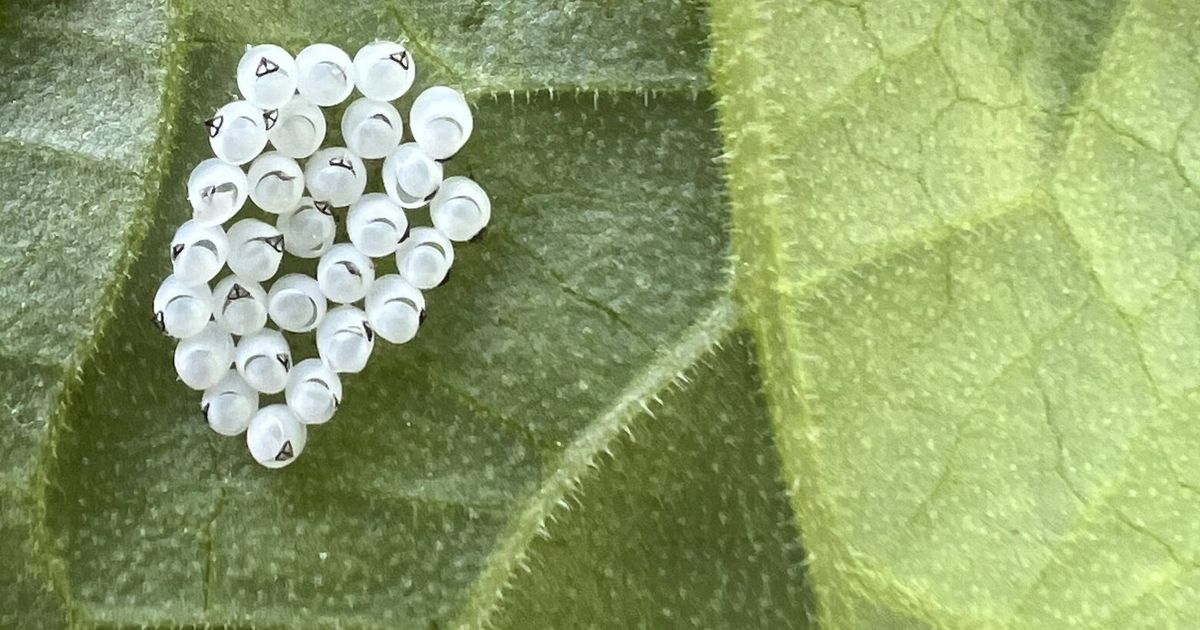
Once temperatures rise, they emerge, mate and lay clusters of pearly eggs on the undersides of leaves. Tiny black-and-white nymphs hatch, looking deceptively harmless. Don’t be fooled. Each one will grow into another juice-sucking adult, ready to puncture produce with its beaklike mouth and leave behind shriveled, pockmarked fruit. On the East Coast, they’re known to produce two generations per year; in the South, up to six. Pacific Northwest gardeners are probably dealing with one or two.
While the brown marmorated stink bug gets most of the headlines, the U.S. also hosts native green stink bugs that have been around for ages, nibbling on beans and fruits. Together, they have an expansive palate: more than 200 kinds of plants, including ornamentals, fruit trees, soybeans and vegetables. In the home garden, beans and peppers are prime targets, followed closely by tomatoes, peaches and cherries.
One Seattle gardener recalls waging war against them on pole beans, only to find that her enthusiastic soap-spraying killed the beans instead. “They’re tough to kill,” she says, sighing. They’re resilient, mobile and multiply quickly. It’s like playing whack-a-mole, but with wings.
You’re unlikely to completely eliminate stink bugs, but you can make your garden less inviting. Here are a few things to try:
1. Mechanical control. Old-fashioned handpicking works. Flick them into a jar of soapy water. Stink bugs can’t swim. Scrape off egg clusters.
2. Trap crops. Try planting a sacrificial row of beans or sunflowers unprotected, while shielding your main crop with floating row covers. When the bugs congregate on the trap crop, use an organic spray such as insecticidal soap, horticultural oil or spinosad (an organic pesticide derived from bacteria). These can reduce populations by up to 80%. Just remember: these treatments work only on the younger nymphs and require repeat applications. Organic sprays can also be used directly on your main crop, but be wary of overapplication, which can damage or even kill plants.
3. Encourage “Mother Nature’s hit squad.” Lady beetles, assassin bugs, parasitic wasps and spiders all dine on stink bugs. You can’t train them, but you can house them: plant a diverse mix of flowering plants to attract beneficial insects year-round. The more you welcome biodiversity, the more nature’s balance starts to tip back in your favor.
The good news? In places where stink bugs have been established the longest, populations have naturally declined, as predators and parasites catch up. In fact, this year I saw a lower stink bug population in my garden than the preceding three seasons.
Nature might yet restore the balance in your backyard. Until then, sharpen your observation skills. Stink bugs, after all, are great teachers in patience, persistence and humility. It’s another reminder that once you start looking closely, you realize how much is really going on out there. And if you happen to catch a whiff of cilantro while plucking beans? You’ll know exactly who the culprit is (assuming you didn’t plant cilantro next to the beans).
Colin McCrate: digs plants. Find him at seattleurbanfarmco.com and on Instagram @seattleurbanfarmco.
Comments are closed.