
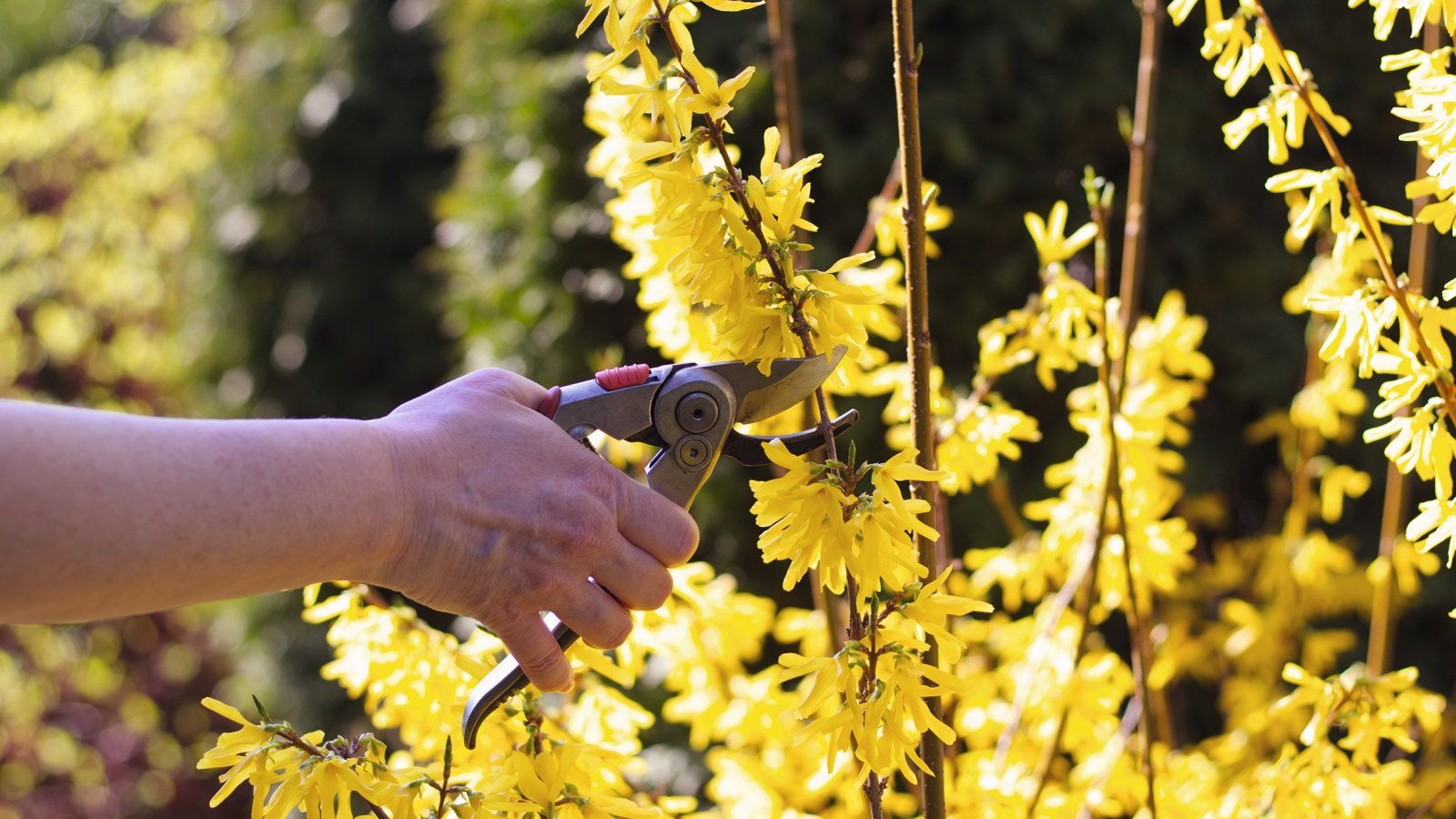
December is midwinter, and can be a risky time for pruning. Any pruning of trees and shrubs has to be done at the right time, if at all, during the month. But there are some plants you should never use the pruning tools on in December.
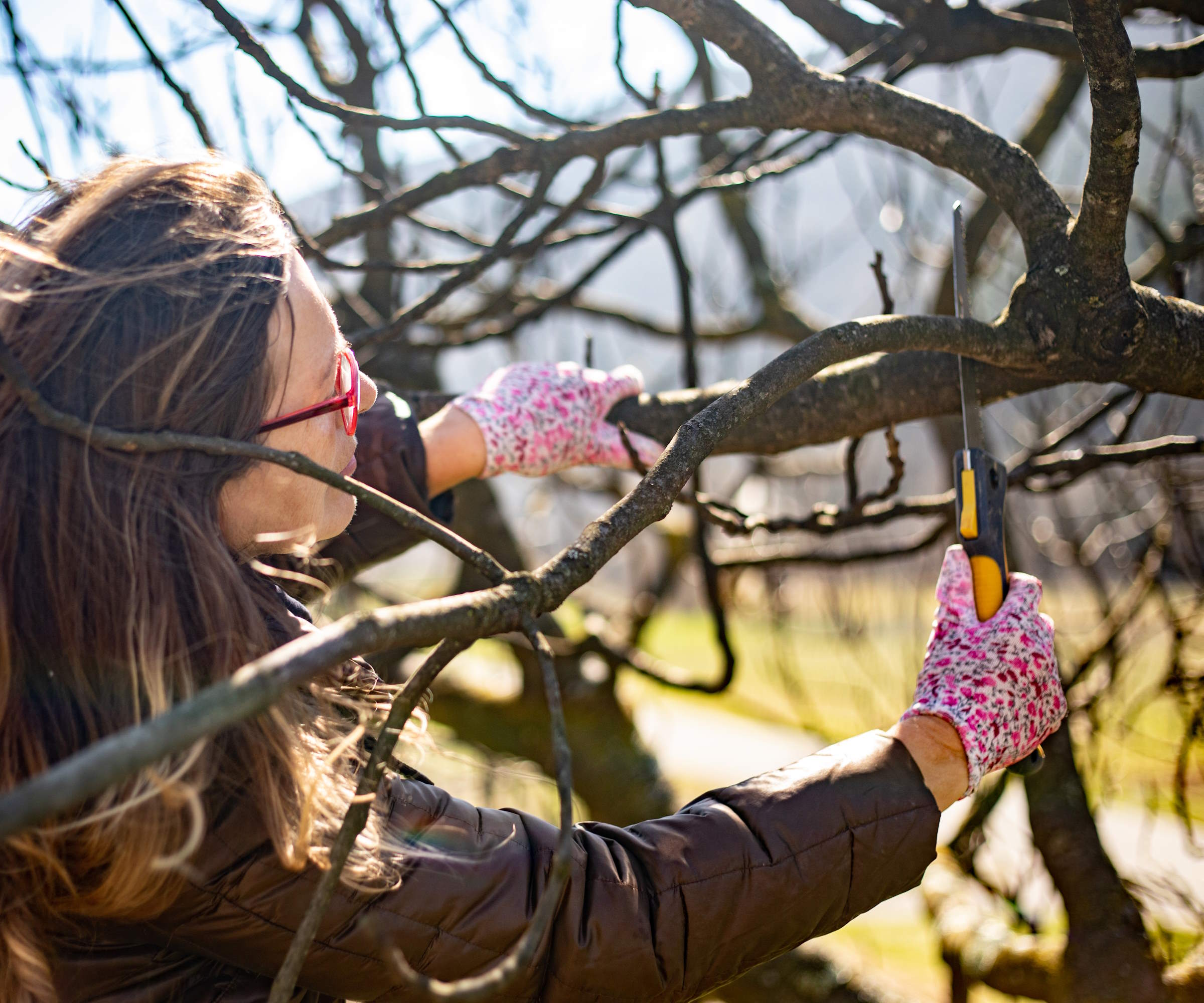
The potential dangers of pruning the wrong plants in December include removing flower buds, ruining any potential display, and making plants more vulnerable to damage from cold and frost. Some may also bleed heavily from winter pruning, and be at a higher risk of infection if cut this month.
You may like
(Image credit: Getty Images/CasarsaGuru)
7 more plants to never prune in December
This isn’t the first article on this topic I have written. This time last year, I highlighted seven plants to never prune in December, for many of the reasons outlined above. However, I know many more susceptible plants could do with being pointed out, so there is a need for a follow-up piece. Bearing that in mind, check out those trees and shrubs in the first article to see which feature in your yard, and then here are seven more plants to never prune in December.
1. Lilac
(Image credit: Getty Images/fotolotos)
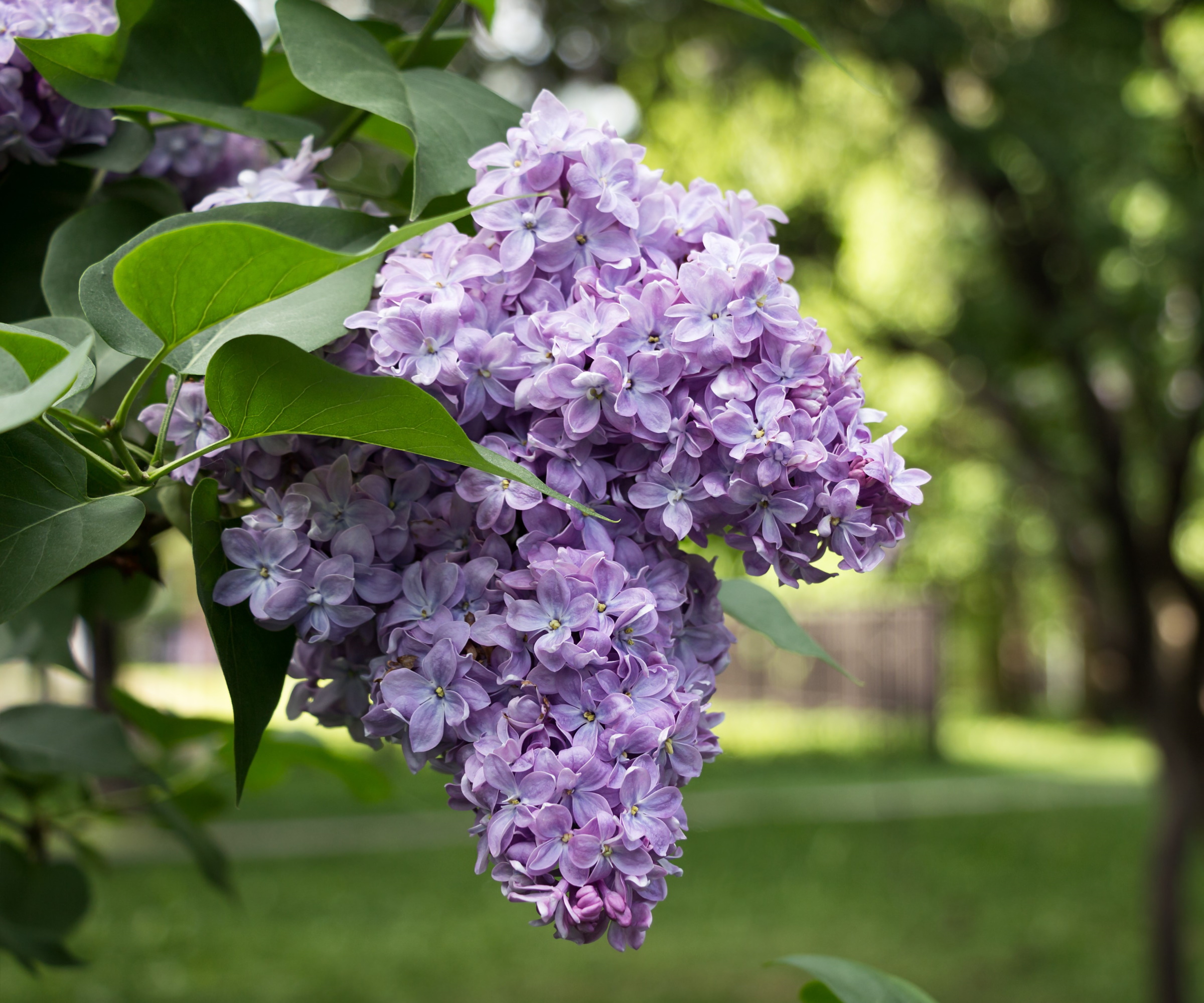
Lilacs are spring-flowering shrubs grown for their sweet-smelling spring blooms, and you need to understand when to prune lilacs to get the best display. You can deadhead lilacs to neaten the plant, but the time to prune lilacs is after flowering.
As lilacs flower on old wood developed the previous season, they form buds throughout the summer. If you prune them in fall or winter, you’re removing all the stems that will carry next spring’s flowers. It is as simple as winter pruning cuts off the blooms.
2. Forsythia
(Image credit: Getty Images/OnTheRunPhoto)
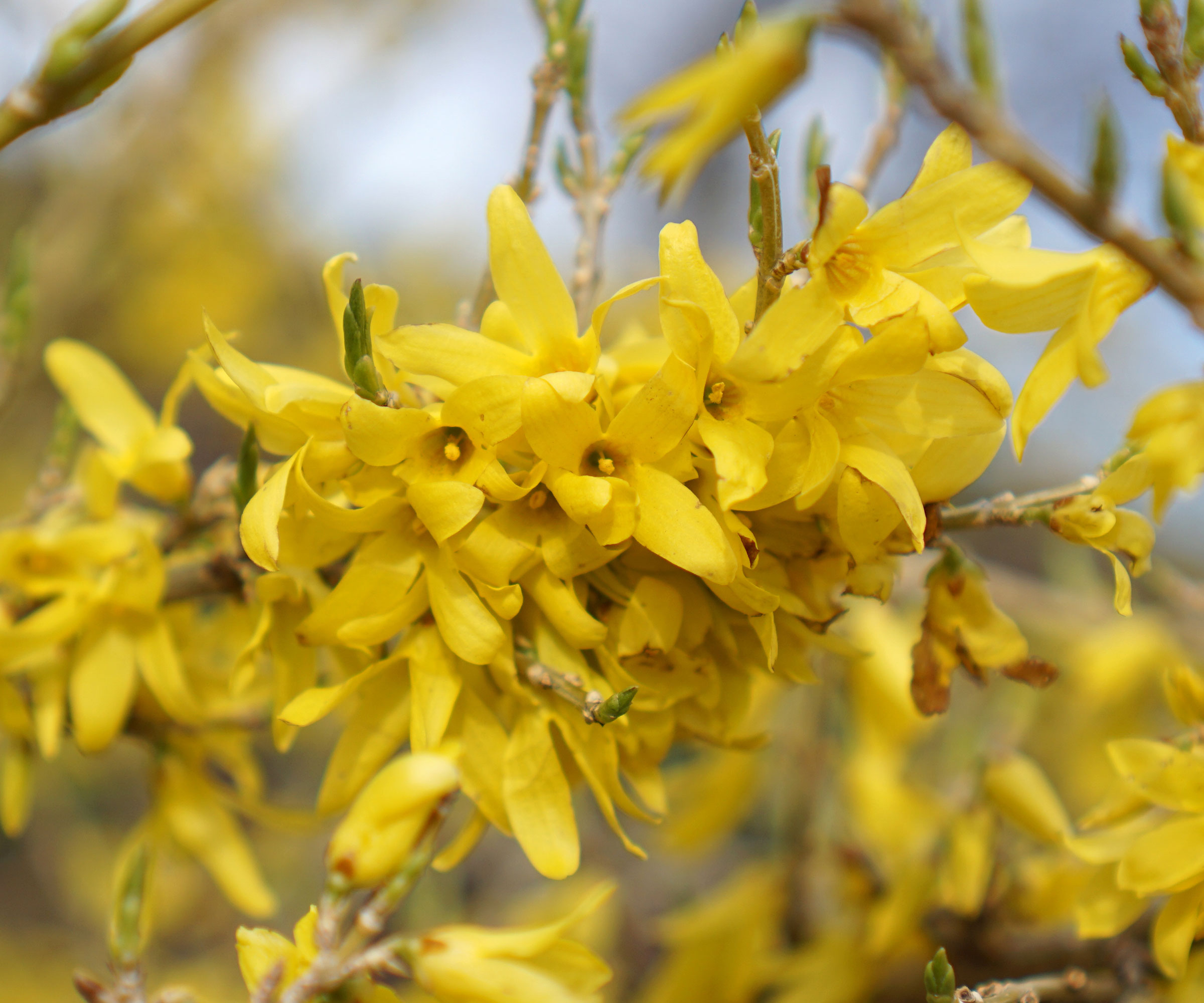
Forsythia stands out with bright yellow blooms early in the year, and its golden flowers provide some light relief at the end of a cold winter. The danger is that, by pruning in winter, you can deny yourself this pleasurable sight.
The ideal time to prune forsythia is after flowering. This can be from April to June, depending on your climate. Forsythia also blooms on last year’s stems, and pruning in fall or winter removes all next spring’s flowering branches.
So, when is it too late to prune forsythia? The answer is from late spring onwards.
3. Boxwood

(Image credit: Sadolin)
Boxwood is a very useful and versatile evergreen shrub. Whether you want standalone shrubs, beautifully shaped topiary, or smart formal garden hedges, the small leaves of boxwood are ideal.
The ideal window to trim boxwood bushes is in spring or summer. Pruning boxwood in winter can stress the shrub and also cause boxwood leaves to turn yellow due to cold burn caused by frosts and freezing winds.
4. Mock Orange
(Image credit: NADEJDA2015 via Getty Images)
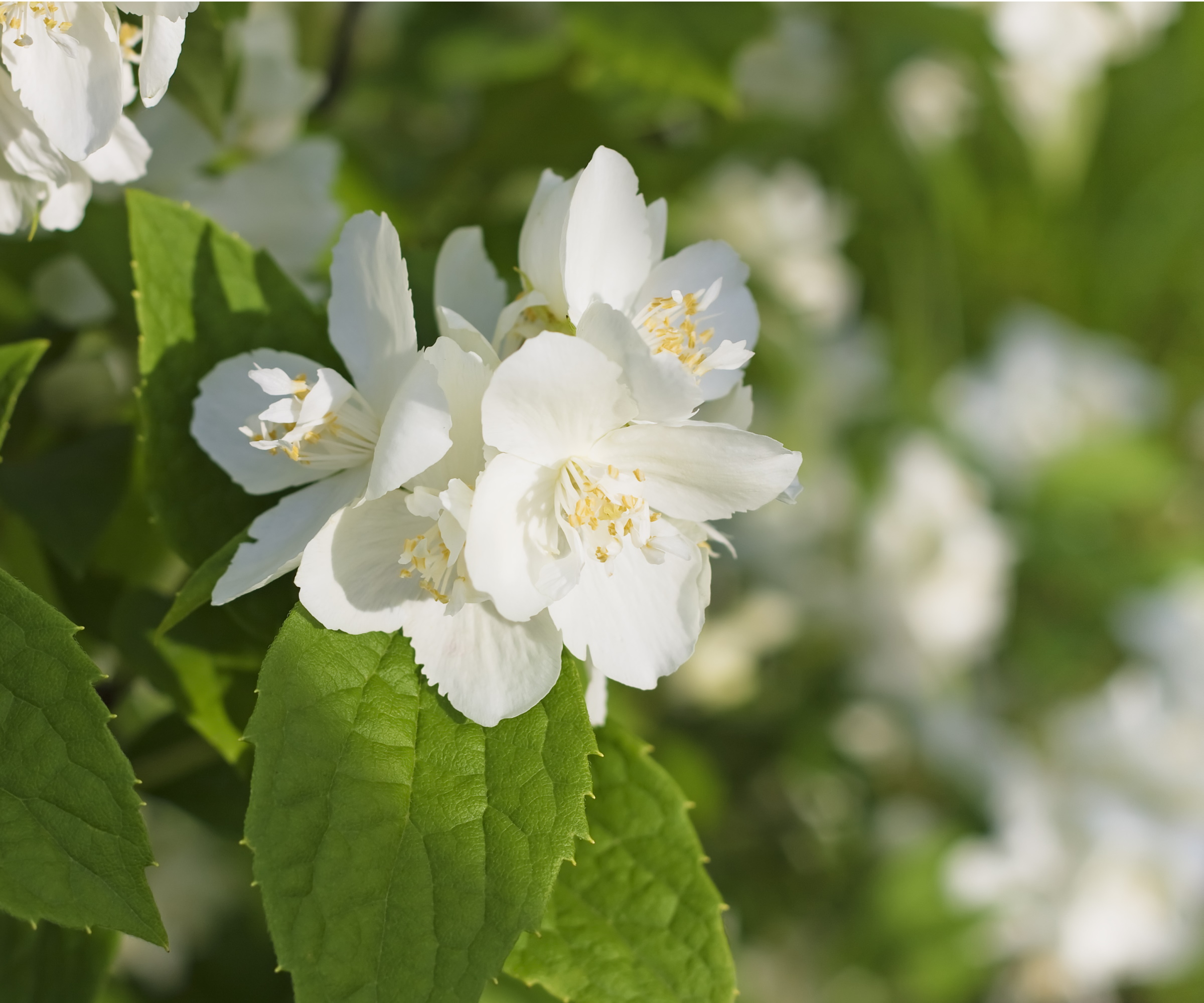
Mock orange, or Philadelphus, is a popular shrub for its white, fragrant flowers that offer a glorious citrusy scent. There are different mock orange varieties to choose from, including a range of sizes suitable for all manner of backyard ideas.
The one thing that is true across all types of mock orange is the correct pruning window. Like other flowering shrubs on this list, mock orange blooms on wood produced the previous year. It means they are pruned after flowering in June or July.
Pruning any later, especially during winter, sees you cut off next year’s flowers. Gardeners who want to rejuvenate older shrubs can hard prune in winter, at the expense of blooms. But it is better to slowly reinvigorate a shrub by removing a few of the oldest stems each year; you’ll get fewer flowers but not lose out completely.
5. Poplar

Poplar trees are among a group known as ‘bleeder trees’, which also includes the likes of birch, elm, maple, willow and beech trees. These trees bleed sap heavily when pruned at the wrong time of year.
Poplar trees are best pruned in late spring or early summer. Once the leaves are fully developed, the sap is not flowing as actively as at other times of the year. The tree may still bleed a little, but it can handle the stress better and heal wounds quickly as it is actively growing.
Bleeding sap weakens a tree, leaving it more susceptible to pests and diseases. It is particularly advisable not to prune large branches of known ‘bleeder trees’ during the winter to avoid lots of sap loss and undue stress.
6. Peach trees
(Image credit: Getty Images/Teddi Yaeger Photography)
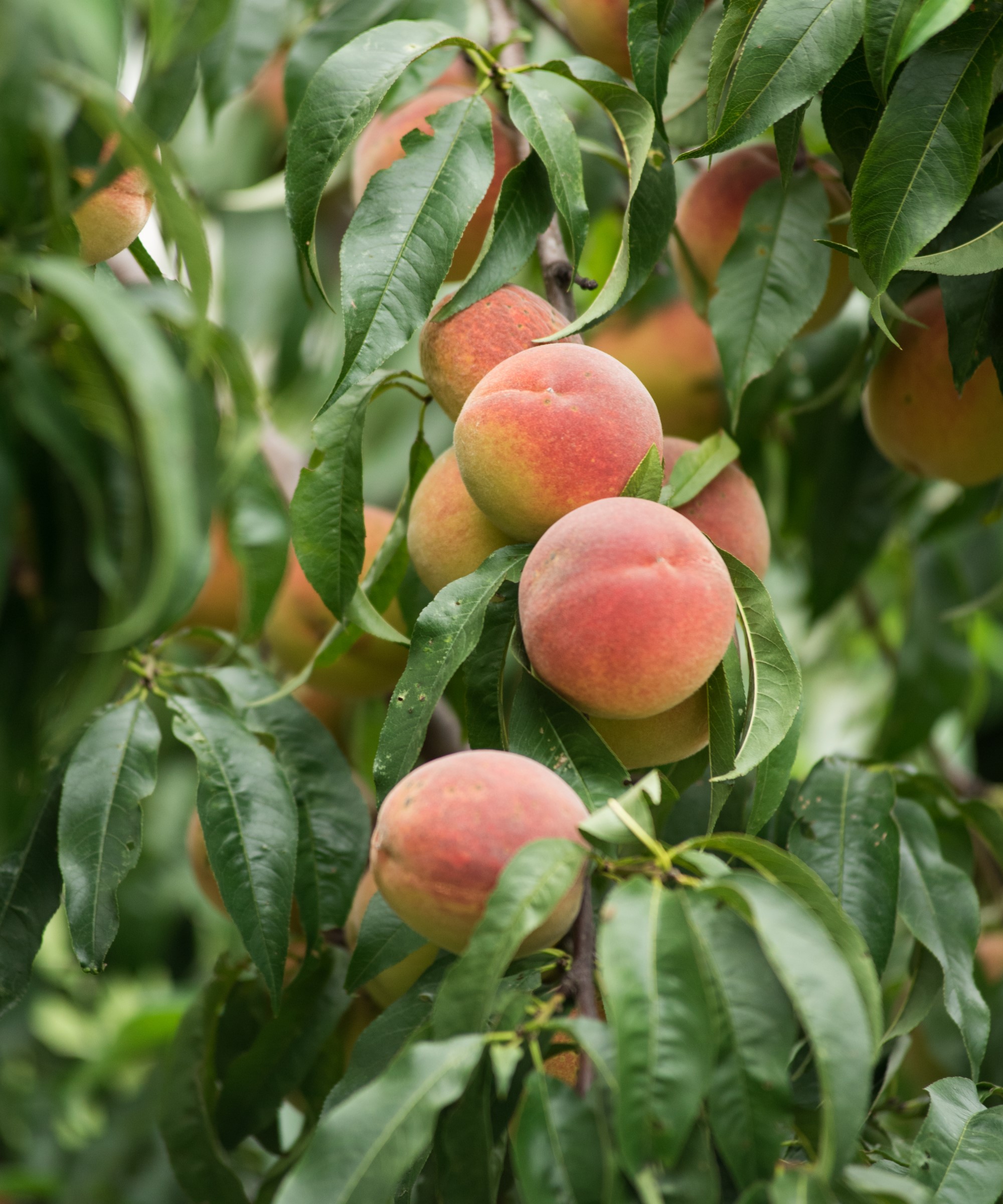
When you grow a peach tree, proper pruning ensures a healthy tree and the best harvest of soft, juicy fruits to enjoy.
As peaches are stone fruits, the general rule is to prune them in spring or summer. Stone fruits need a different timing from the likes of apples and pears, which are fruit trees routinely pruned in winter.
There are two main reasons to prune peaches in the spring or summer. As they fruit on the previous season’s wood, trimming encourages the growth of new fruiting stems. And it avoids silver leaf disease, a fungal disease that accesses trees through pruning wounds, turns foliage silver (as the name suggests) and has the potential to kill whole branches.
As well as peaches, nectarine and apricot trees should never be pruned in winter.
7. Plum trees
(Image credit: Getty/Mike Powles)
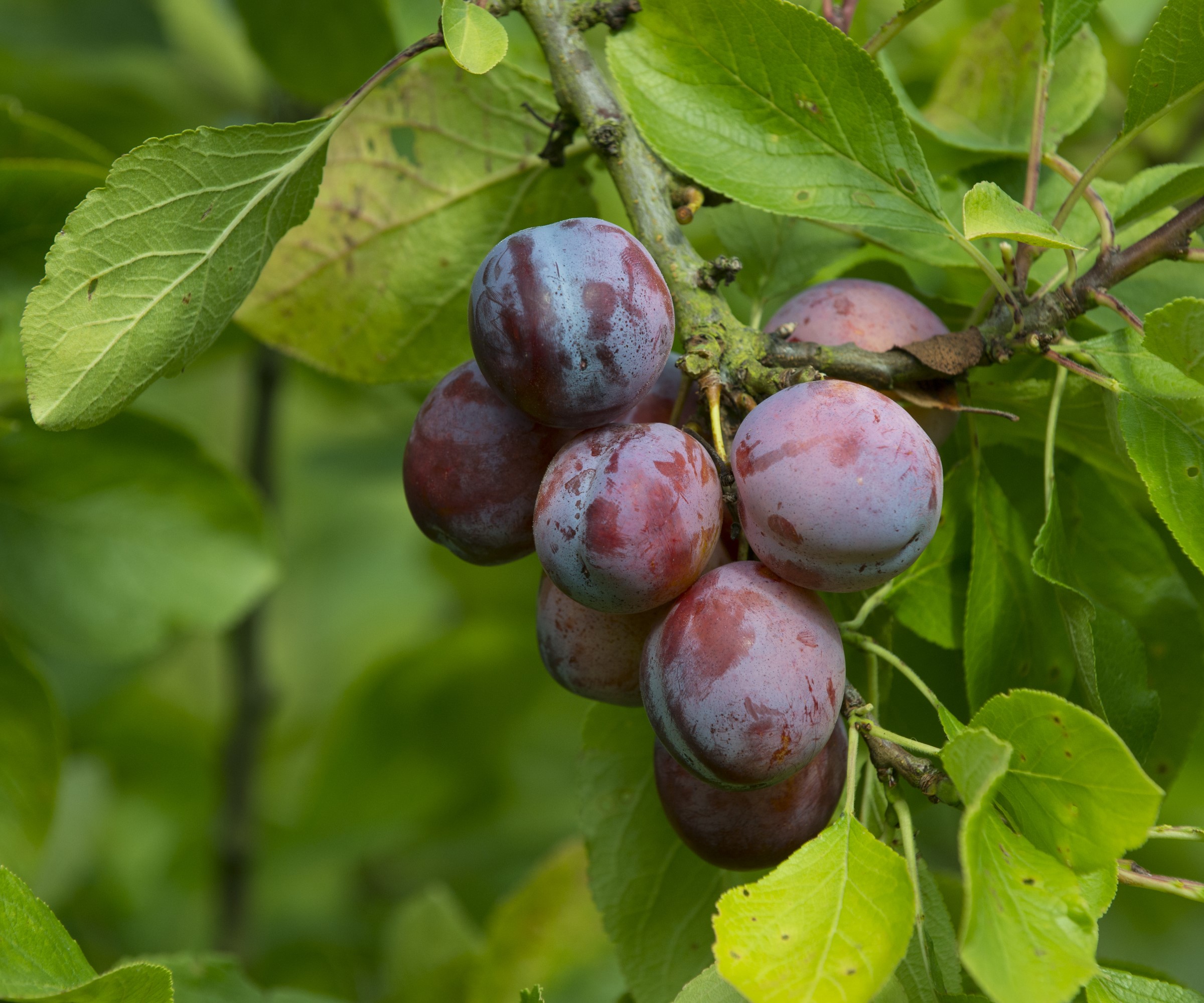
There are many different types of plum trees; it is a large group of stone fruits, including the likes of damsons and greengages, that include dessert, culinary, or dual-purpose fruits.
As stone fruits, they should also not be pruned in December. You prune plum trees during their growing season in spring or summer, rather than during winter dormancy.
Making the fruit tree pruning mistake of pruning plum trees in winter puts the tree at risk of silver leaf or bacterial canker, a disease that can cause dead areas of bark and holes in foliage.
Cherry trees are also very susceptible to bacterial canker, and you should also prune cherry trees in spring or summer rather than winter.
This piece has covered those plants to steer clear of, but there are some trees and shrubs that you can prune this month. This guide to plants to prune in December reveals seven of those. However, only prune when the weather fits, and avoid trimming during extreme cold and frosty periods. There is no harm in waiting until late winter to prune if the weather gods aren’t on your side this month.
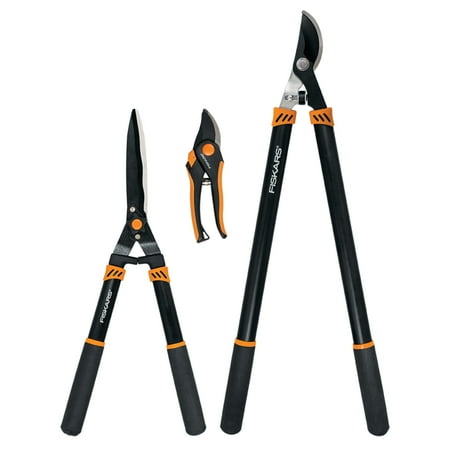
This Fiskars pruning set features bypass-style loppers, hedge shears, and bypass pruning shears to fill all your pruning needs.
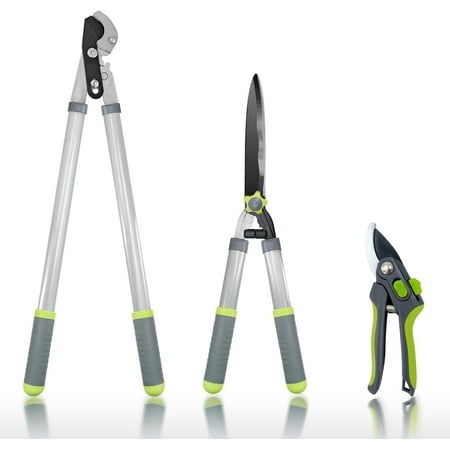
This three-piece pruning set is perfect for pruning trees. It comes with a set of anvil loppers, hedge shears, and bypass pruning shears.
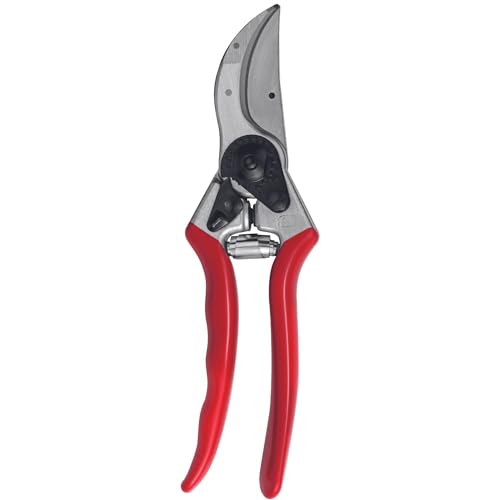
Gardeners highly rate the F2 Felco pruning shears for their reliable and long-lasting performance.
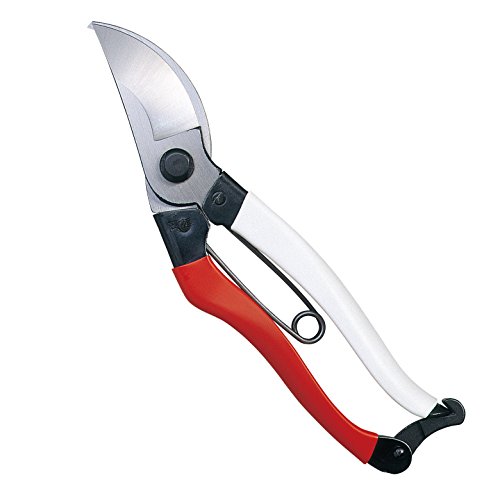
A pair of sharp Japanese pruning shears with a high-grade steel blade and vinyl-coated handle for worry-free non-slip pruning.
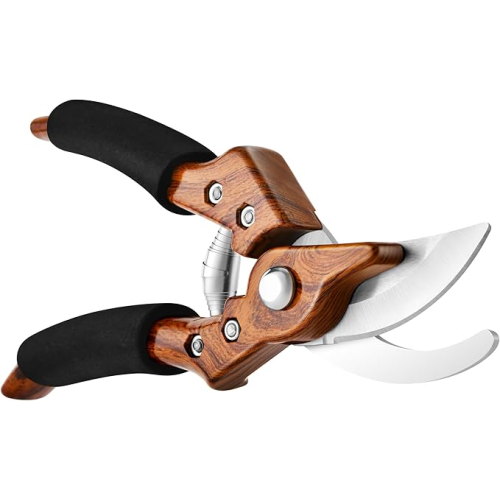
These unique pruning shears have a retro-style brown wood grain and sponge-covered handles to alleviate fatigue.
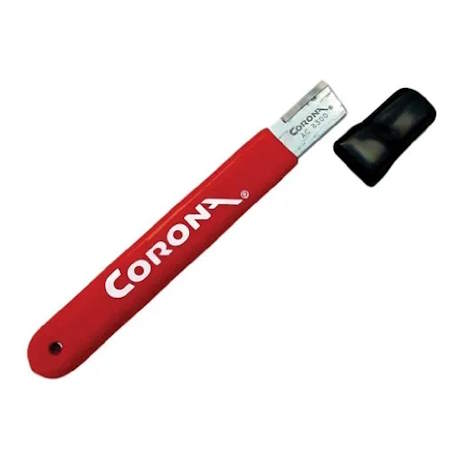
Keep pruning shears and loppers sharp ahead of doing any pruning with this pocket-sized blade sharpener.
Comments are closed.