
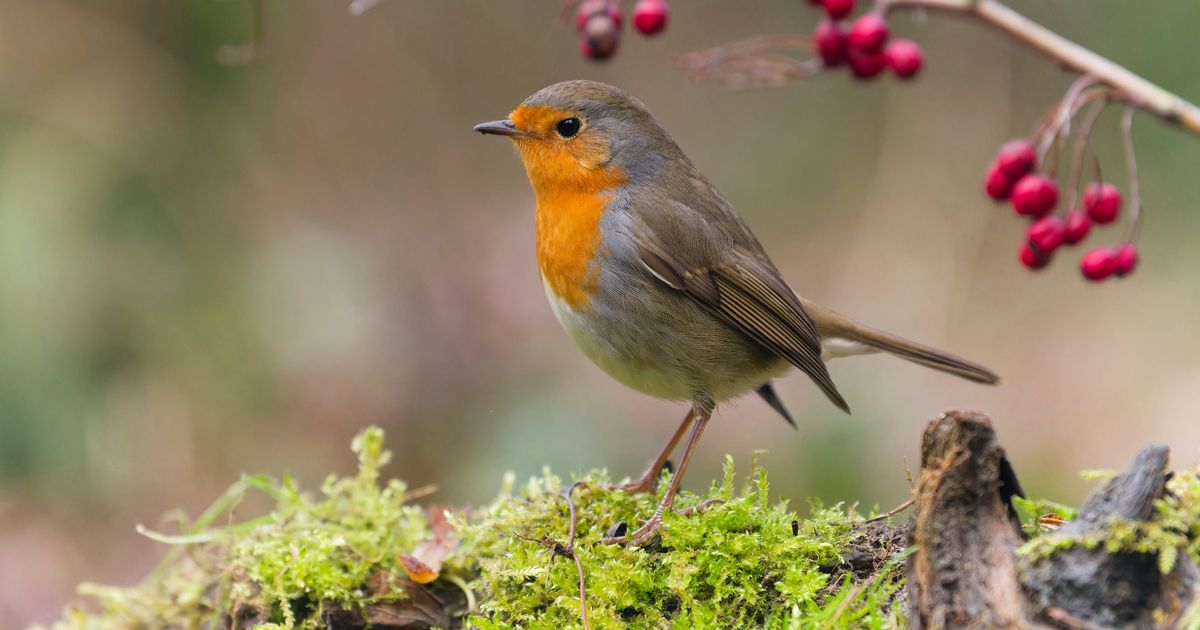
The RSPCA has issued a top tip after saying that seeds aren’t always needed for the feathered friends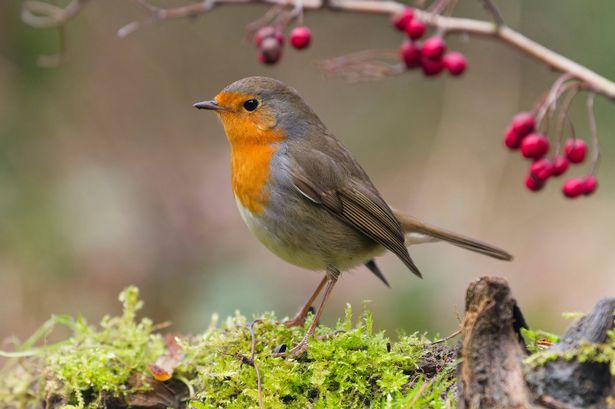 There are many ways to help a robin this winter(Image: Getty Images)
A common household ingredient can be utilised to attract garden birds such as robins, even during the colder months.
Birds are a delightful addition to any garden, bringing it to life with their vibrant presence and melodious songs that herald the start of a new day. They also play an essential role in safeguarding your plants and flowers from damage and disease by preying on pests, reports the Express.
However, autumn and winter can pose challenges for these feathered friends, as frozen ground hinders their access to preferred food sources like insects, worms, fallen seeds, and berries. It’s crucial to offer them additional support and ensure they have the necessary food and water. But their diet doesn’t always have to consist of seeds and grains.
The RSPCA suggests that garden birds, including robins, enjoy a variety of foods, including something you might not have considered: cooked pasta.
The carbohydrates found in pasta serve as an excellent source of extra energy for these winged creatures, especially during the cold and demanding weather conditions
However, the charity emphasises the importance of cooking the pasta in water, without adding salt, butter, spices, oil, or any other ingredients that could potentially harm them. It’s also recommended to chop larger pieces into smaller ones to make it easier for the birds to consume.
Aldi offers a 0.5 kg packet of pasta for as little as 41p, providing an affordable way to diversify the diet of garden birds with leftovers.
According to the RSPCA, birds can also consume other types of “human food” such as rice, boiled potatoes, cheese and uncooked, unsalted bacon rind. However, it’s crucial to serve these foods plain to avoid causing harm.
Just like humans, birds require a balanced diet to maintain their health. They enjoy fruits (like raisins, sultanas, apples, pears and soft fruits), and suitable grains and seeds.
Peanuts can also be included in their diet, but they must be unsalted, fresh and free from aflatoxin (a toxin produced by certain moulds). To prevent young chicks from choking, peanuts should only be placed in feeders with smaller mesh.
The charity suggests other food options such as net-free fat or suet balls and insects like mealworms or waxworms. Dog owners, however, are advised to be cautious with grapes, sultanas, raisins and some artificial sweeteners as these can be toxic to dogs.
Garden birds also need a regular supply of fresh water. If bird baths aren’t available, it’s recommended to leave out bowls of water regularly. Feeders and bowls should be positioned away from places where predators could potentially hide.
Comments are closed.