
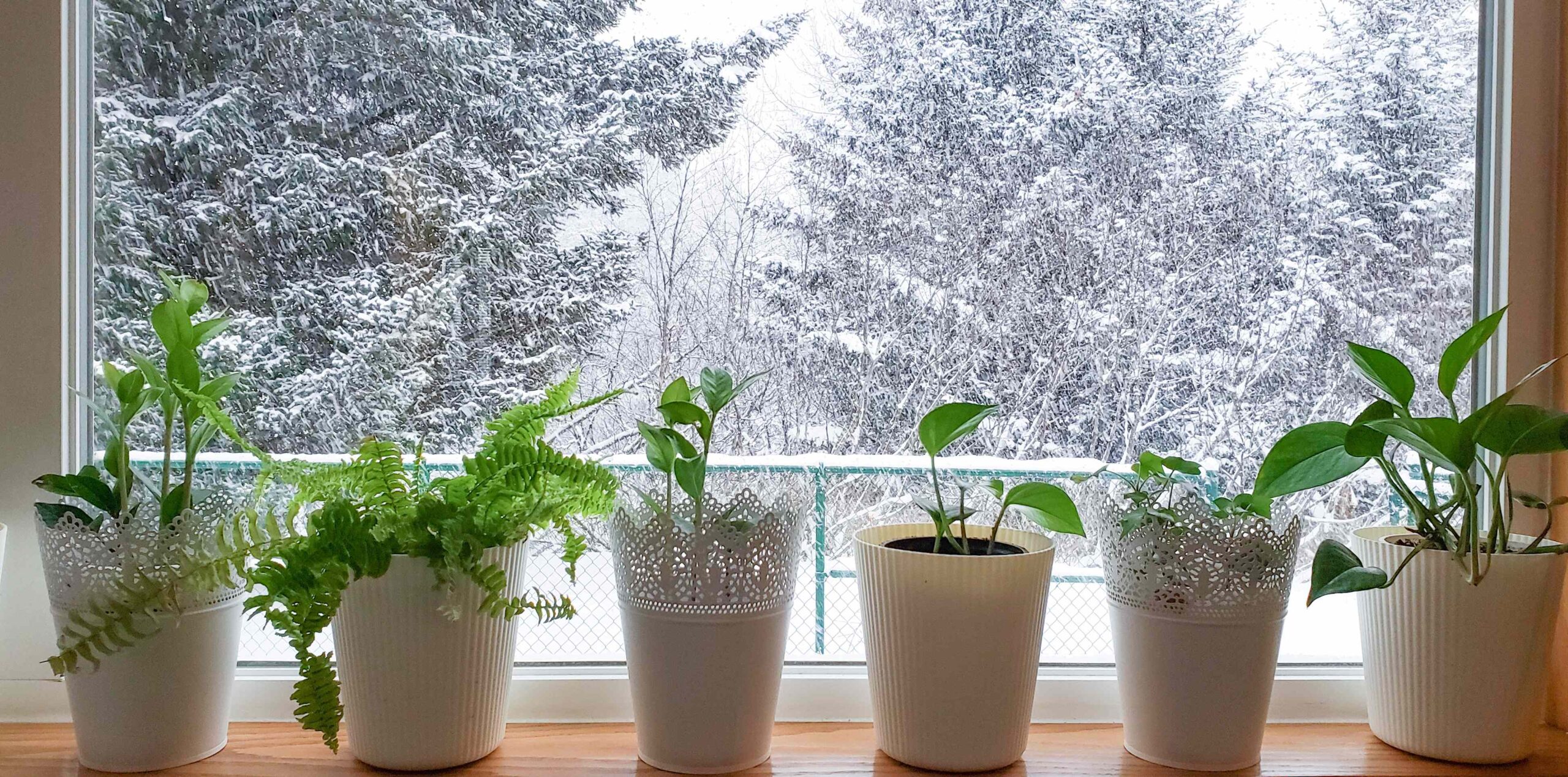
Key Points
Houseplants grow more slowly in winter, so avoid overwatering and feeding to prevent root rot or burn.
Position your plants away from drafts or heat vents to minimize exposure to extreme temperature fluctuations, and consider adding a humidifier to prevent problems associated with dry air.
Soggy soil and dry air are the perfect partners for attracting pests to stressed plants. Monitor for the likes of fungus gnats and mites to prevent major infestations.
Winter changes the way our houseplants perform. Their growth slows with the shorter days, and this means they need less water and nutrients to avoid stress setting in. However, that doesn’t mean your indoor jungle doesn’t need nurturing.
If your once thriving philodendron is looking lackluster or your ferns are floppy, it could be that you need to make some adjustments to help your plant thrive through this season of slow or no growth.
Here are things that might be killing your houseplants in winter and how to prevent them.
Watering Too Much
Overwatering is the number one killer of houseplants in winter. Growth (and root moisture uptake) slows significantly as the days become shorter, light levels decrease, and plants are not photosynthesising as much. If you continue to irrigate on the same schedule as in the summer, soggy soil can quickly lead to root rot.
Rather than watering on a schedule, insert your finger a couple of inches into the potting medium or use a wooden skewer to measure moisture.
Allow the soil to dry out sufficiently for your plant type before adding more moisture. I sometimes wait for my plants to wilt slightly before watering in winter.
Want more gardening tips? Sign up for our free gardening newsletter for our best growing tips, troubleshooting hacks, and more!
Continuing to Fertilize
Feeding your foliage in winter can do more harm than good. Your houseplants don’t need or have the ability to absorb nutrients like they do in the growing season. If you notice your plant’s leaves turning crispy, it could be because a buildup of excess fertilizer is causing burn.
If you forgot to stop fertilizing, a deep watering can leach the soil and help flush out salt buildups.
Not Offering Enough Light
The low light of winter isn’t a problem for your temperate perennials, which go into dormancy during this season.
However, if you have a house full of tropical plants, consider how the light travels around your home at this time of year. You could pop a light-loving papyrus in front of a brighter winter window or use grow lights to keep herbs like basil or dill thriving.
Exposing Your Plant to Extreme Temperature Fluctuations
Homes in winter are prone to extreme temperature fluctuations that are detrimental to plants. Most species do best with daytime temperatures between 65°F and 75°F, which may only drop around 10°F during the night. However, they’re often exposed to blasts of hot, dry furnace air during the day and cold conditions at night.
Try to keep your plants away from drafty, icy windows and heat vents or radiators. If their leaf tips are browning, use a digital thermometer to help you pick a position in your home where temperatures are most consistent.
Not Considering Humidity Levels
The dry air we experience in our homes in winter isn’t conducive to cultivating a lush indoor jungle. Humidity levels often drop below 20%, which isn’t ideal for tropical plants, such as Rex begonias or calatheas, that thrive in humidity levels of around 40% to 50%.
A humidifier that you can place next to your plant collection is a solid investment. You can also group similar plants to create a shared microclimate that promotes transpiration.
If you try the much-touted humidity hack of misting your plants, be aware that this is more myth than magical method. The short-term effects before evaporation into the air are unlikely to have any long-term benefits.
Not Checking For Pests
Plenty of houseplant pests thrive in warm, dry indoor air. If your plants are already stressed from overwatering or insufficient humidity, they’re easier targets.
Keeping a close eye on your plants and their potting mixes means you can take proactive, preventative steps before a hard-to-control infestation takes hold.
By letting your potting mix dry sufficiently between watering, you’re not only helping prevent root rot. It can also help to keep fungus gnats (whose larvae thrive in soggy soil) at bay.
Regularly dusting down plant foliage means they’re less likely to harbour hangers-on, and it can help them make the most of the available light.
Comments are closed.