
Key Points
Tropicals and annual plants need to be winterized before frosts hit.Many perennials, trees, and shrubs can be winterized late in the season.Water plants until the ground freezes and add mulch, windbreaks, and pest deterrents to protect plants.
While hardy perennials, trees, and shrubs may not need any winterizing, tender plants often need a bit of help to survive the colder months. But when is the best time to prep your garden for winter and is it too late to winterize plants now? In this guide, plant pros share which plants can and can’t be winterized late in the season, and offer their best tips for winter-proofing your garden!
Meet the Expert
Helene Drozd is a horticulturalist and the director of the Clark Botanic Garden.
David Greenham is the executive director of the Viles Arboretum.
Sharon Yiesla is a plant knowledge specialist at the Morton Arboretum.
So, You Haven’t Winterized Your Plants
Credit:
The Spruce / Jacob Fox
When the days grow short and temperatures fall, many plants are triggered to enter a state of dormancy that helps them survive the winter. During this period, deciduous plants drop their leaves and plants concentrate sugars in their cells to keep them from bursting in cold weather.
But while plants may look like they’re slumbering in winter, there’s still plenty of activity going on beneath the soil.
Plant roots do a lot of their growing in winter and they’re still hard at work absorbing the moisture that plants need. Applying mulch and taking other steps to winterize your plants at this time can prevent issues like browning evergreen needles and bud loss, and should help plants grow and flower better in seasons to come.
Want more gardening tips? Sign up for our free gardening newsletter for our best growing tips, troubleshooting hacks, and more!
Common Plants That Can Still Be Saved
Credit:
The Spruce / Evgeniya Vlasova
So, when exactly should you winterize plants and is it too late to do it now? The answer is, it depends on the plants you’re growing and whether frosts and heavy freezes have arrived in your area.
“Plants, such as annuals and tropicals that you want to save, needed to have been taken indoors already as frost has likely damaged these plants beyond help,” says plant expert Helene Drozd. “But if you have perennials that are on the edge of being hardy in your zone or woody plants that are in danger of wind or exposure burn, there is still time.”
What You Can Still Do for Plants That Haven’t Been Winterized
Credit:
zbynek pospisil / Getty Images
In many areas, evergreens, perennials, trees, and shrubs can still be winterized in late fall to early winter to protect roots, branches, and future blooms from damage. If you’re tight on time, focus your attention on winterizing new plantings—as well as plants that are marginally hardy in your growing location—using the following tips.
Keep Watering
Plants need to be watered until the ground freezes, which means you may need to water your plants all winter long if you live in warm area.
“Making sure plants aren’t dried out will help avoid winter burn,” says plant expert David Greenham.
This is particularly true if you have tender or newly planted evergreens in your garden.
“Evergreens go into dormancy slowly and can lose water through their needles all winter,” says plant expert Sharon Yiesla. “Preparing them for winter is all about watering as late in the season as possible. If the soil can accept water and rainfall is low, keep watering.”
Add Compost and Mulch
Credit:
Maryviolet / Getty Images
Refreshing your soil with compost and mulch in autumn benefits most plants, but it’s especially helpful for plants that are marginally hardy.
“Roses that may not be fully hardy can be protected by mounding loose mulch or compost around the base of the plant,” says Yiesla. “Just wait until temperatures are consistently in the 40s to do this.”
Protect Potted Plants
If you have potted plants still in your garden, moving them into a protected spot and wrapping pots with bubble wrap or an old blanket can keep pots from breaking and shield roots from cold.
Depending on your plants, you can also transfer some tender herbs and flowers into pots and bring them into your home.
However, this should be done before frosts hit.
Install Burlap
Shrubs and trees that are hardy in your area don’t need to be wrapped with burlap or other coverings. But installing burlap and windbreaks can benefit some plants.
“Erecting barriers of burlap can protect evergreens from drying winds,” says Yiesla. “Don’t wrap the evergreen, just put up burlap between posts as a windbreak.”
Deter Pests
Credit: vadimgouida / Getty Images
Deer and rabbits can do serious damage to some plants in winter—especially to newly planted saplings.
“You can protect young trees from deer damage by erecting a sturdy fence around the tree to keep the deer away,” says Yiesla.
Tree guards that reach to the tree’s lowest branches can help as well.
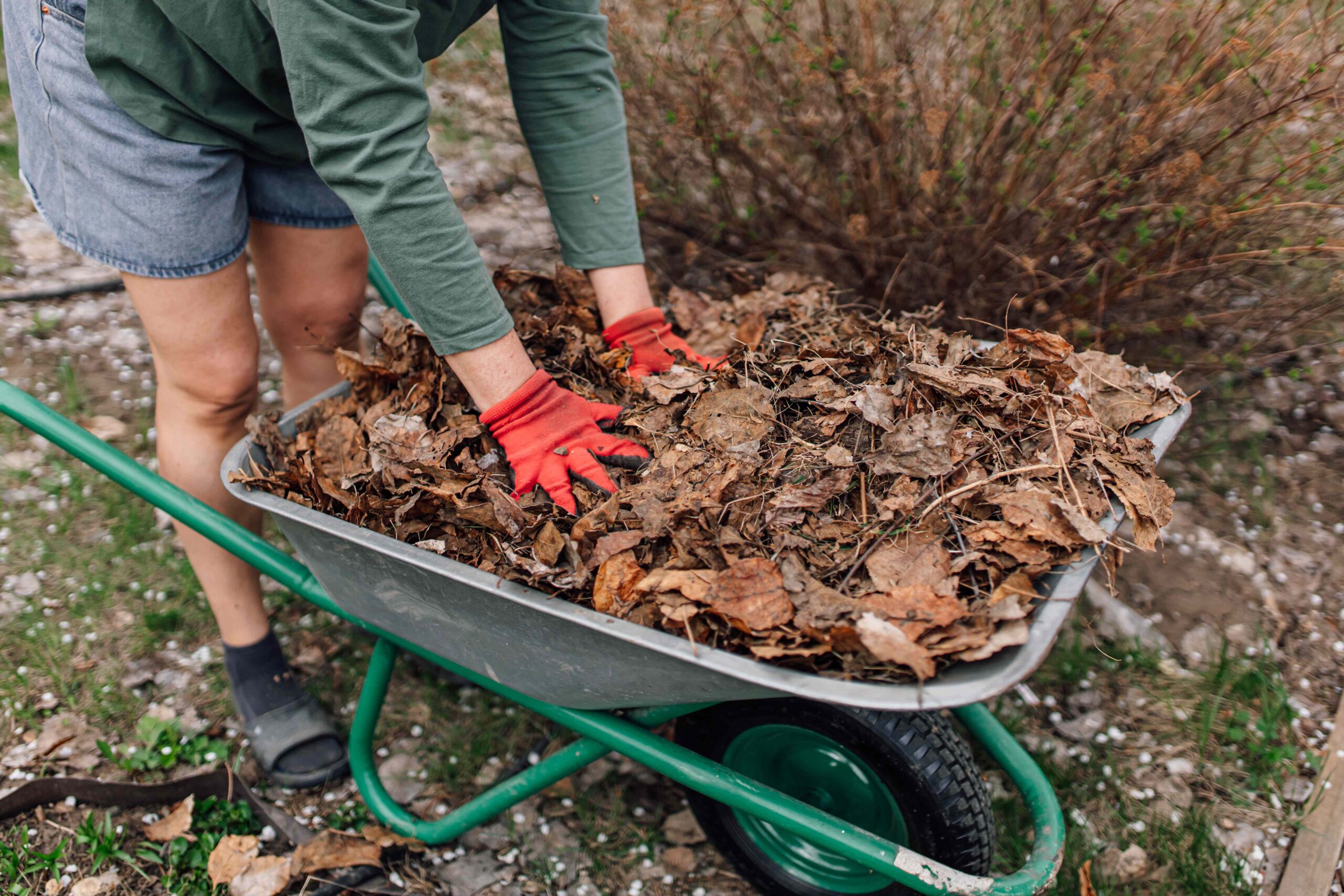
Do a Garden Cleanup
When it comes to late season winterizing, Greenham offers one final suggestion.
“It’s not too late to clean up the debris and decaying materials from your garden,” Greenham says. “This helps to prevent unwanted pests from wintering near your plants,” and can make your garden more pest-proof.
Comments are closed.