
As the days shorten and we spend less time outdoors, it’s easy to put the garden to the back of our minds. Traditionally, autumn has been a time for cutting back, tidying and clearing, before forgetting it over the winter. However, with a bit of care and consideration, gardens can become a haven for wildlife at this time of year.
One of the main ways we can help wildlife in the autumn and winter is to simply leave things alone. Resisting the temptation to clear up can be hugely beneficial to garden wildlife. In conventional gardening, perennial flowers such as Echinacea and Rudbeckia have been cut back during the autumn tidy. Nowadays, many gardeners choose to leave the seedheads of herbaceous plants and grasses over winter to provide structure to the garden, as well as shelter for wildlife. These can wait until the following spring to be cut back.
Dead leaves, stems and flowers all contribute to giving nature a much-needed winter home. Plants with hollow or pithy stems – such as Fennel, Cow Parsley and Honesty – provide a brilliant home for hibernating invertebrates and larvae, including solitary bees, spiders and beetles. Adult ladybirds hibernate in hollow plant stems like sunflowers or Elder, sometimes clustering together in a large group. All species of ladybird in the UK hibernate as adults (or diapause, as it is known for insects). They survive the cold winter months and accompanying food shortages by becoming dormant. They take shelter and enter a state of suspended animation, where their metabolism slows and their temperature drops. The protection and insulation of a hollow stem is the perfect place to do this.
Seed heads left standing for food and habitat, RSPB Flatford Wildlife Garden, (Image: Julia Walshaw)
With more plants left as homes for over-wintering invertebrates, the mini ecosystems created within the garden begin to thrive. More insects nestled away means more food for a huge range of other species. Beetles over-wintering in hollow stems may next year become welcome nourishment for birds, frogs, toads or hedgehogs. These in turn may provide food for animals further up the food chain, such as owls or foxes. The simple act of delaying cutting back can have far-reaching and hugely beneficial consequences.
Another benefit in not cutting back flowers in the autumn/winter is to retain their seeds as a food source. Birds love to feed on seed heads like Teasel, thistles, sunflowers, alliums and coneflowers. Thistle and Teasel seeds are a particular favourite of Goldfinches, whose slim, sharp, triangular beaks allow them to extract the small and otherwise inaccessible seeds. Greenfinches use their strong, stout beaks to pick out and then crack seeds from sunflowers that have been left after flowering. By leaving the seedheads standing, we also increase the opportunity for birds and other animals to disperse the seeds, either through ingestion or on their fur.
As well as flowers, it’s beneficial to leave some shrubs alone, even if they’re looking a bit messy. One plant which is particularly important to leave at this time of year is Ivy. Throughout autumn, fragrant Ivy flowers provide one of the last garden nectar sources when there is very little else for insects to feed on. This is particularly important for hoverflies, which are the second most significant pollinators after bees. Unlike bees, hoverflies remain active through much of the year. The Marmalade Fly is a hoverfly which is on the wing throughout the year, relying heavily on the nectar of later flowering plants like Ivy. As we move into winter, Ivy berries, which are particularly rich in fat, are a welcome food source for Blackbirds and other thrushes. Furthermore, dense Ivy makes a great shelter and roosting area for smaller birds such as Robins and Wrens during the colder months.
Goldfinch on teasel (Image: Ben Andrew RSPB images)
Leaves on lawns can look scruffy and untidy but piled up in the garden and left to gently rot, they make a fantastic safe and warm winter home for a range of species. A layer or pile of leaves acts as a natural blanket, insulating the soil and plant roots from extreme temperature fluctuations. This can help to protect plants as well as providing a warmer environment for hibernating animals. Leaves are another favourite location for ladybirds to spend their diapause. Hedgehogs also love to hibernate in piles of leaves, whether piled up by themselves or by the gardener. The addition of logs and twigs can create an even more tempting location for Hedgehog hibernation, especially if the pile is located in a safe place such as under a shrub or in a secluded corner.
Windfall apples are another perceived untidy mess we have traditionally hurried to clear from our gardens, but they too provide a welcome food source for a wide range of garden wildlife. If they’re left on the ground during the autumn and into the chill of winter, you may be treated to the sight of Fieldfares and Redwings enjoying a sweet treat. Apples are also eaten by mammals like Badgers, Wood Mice and voles, and they are a source of late-season sugar for butterflies, wasps, ants and a range of other invertebrates.
While many of the ways gardens benefit wildlife in autumn rely on leaving things as they are, there are also some proactive plans we can make for the year ahead. November to March is the perfect time for planting trees and shrubs, such as hawthorns, Holly or fruit trees, which will mature and enhance the garden for years to come. As many trees are dormant during this time, they are least likely to suffer damage if planted during this period.
Hedgehog foraging (Image: Getty)
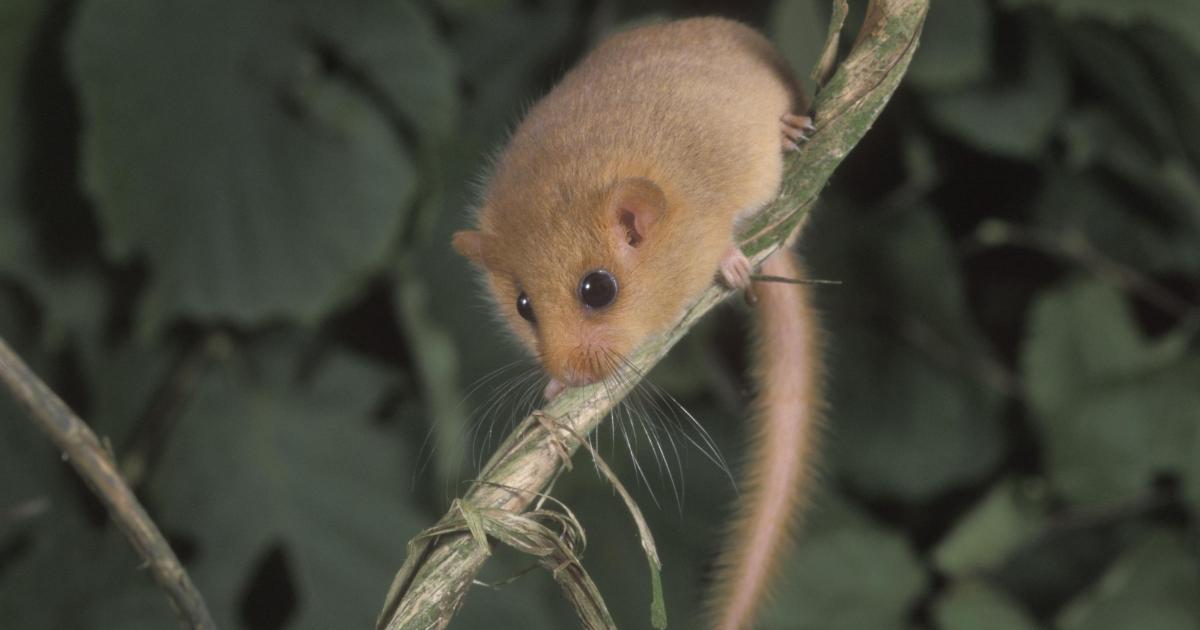
Native species of trees and shrubs are the best choices. Hawthorn can be grown as a tree or in a hedge and support a wide range of species. As a tree, they are small to medium-sized and are ideal for a garden. Various parts of the hawthorn provide food throughout the year. Its leaves feed a range of moth species, dormice eat the flowers and bees love the abundant white blossom. In winter, thrushes and small mammals benefit from its bright red haw berries, which are rich in antioxidants. Redwings and Fieldfares arriving from northern and eastern Europe for the winter in search of food are particularly keen on hawthorn and rowan berries. They are nomadic and will seek out clusters of such trees.
Holly is a fantastic evergreen to plant in the garden to attract wildlife. Holly berries are another welcome food source, helping small mammals like Wood Mice and dormice to survive the winter. Mistle Thrushes are so keen on Holly berries that they defend their patch of berries very vigorously. Holly also creates dense cover in which smaller birds and mammals can shelter from the elements. The dry leaf litter that gathers under a Holly bush is perfect for Hedgehogs, other small mammals and toads to hibernate in.
When spring arrives, Holly flowers provide nectar and pollen for a wide range of bees and pollinating insects. Holly also provides a vital food source for caterpillars, a range of moth species and the Holly Blue butterfly. Although the Holly Blue caterpillars will eat other plants, the flower buds, berries and terminal leaves of Holly are their favourites.
A mini wildlife pond, RSPB Sandwell Valley Nature Reserve, (Image: Sam Turley RSPB images)
If planting a tree or a shrub seems too big a task for this year, there are other planting choices to consider. It’s not too late to pop in some bulbs for next spring. Crocuses are a particularly good choice for insects as they provide some of the earliest nectar and pollen for bees emerging from hibernation on early spring days. Queen bumblebees have even been known to sleep in a crocus flower overnight, before finding a nest site!
Water is just as an important consideration over the colder months as at the height of summer. Try to leave fresh water out for wildlife, particularly if there’s a cold snap. The ideal bird bath should have very shallow sloping sides, with a maximum depth of 10cm and be as wide as possible. Popping some stones or branches in for perches is often welcomed. Keep the water refreshed if it freezes – try chipping a hole into it if it does freeze over rather than pouring boiling water in. Bird baths benefit from being cleaned thoroughly with a safe, non-toxic cleanser at least once a week to reduce the risk of diseases being transmitted.
A garden pond is one of the most beneficial things a garden can have to support wildlife, and autumn or early winter is the perfect time to add one. The ground isn’t too wet or too dry and there’s plenty of time for it to settle in before spring when the breeding season begins. Future inhabitants and visitors to a pond might include dragonflies darting around on a summer’s day, a Blackbird splashing in the pond for a much-needed bath, a thirsty Hedgehog sipping from the water’s edge or frogs and newts taking residence.
Comments are closed.