
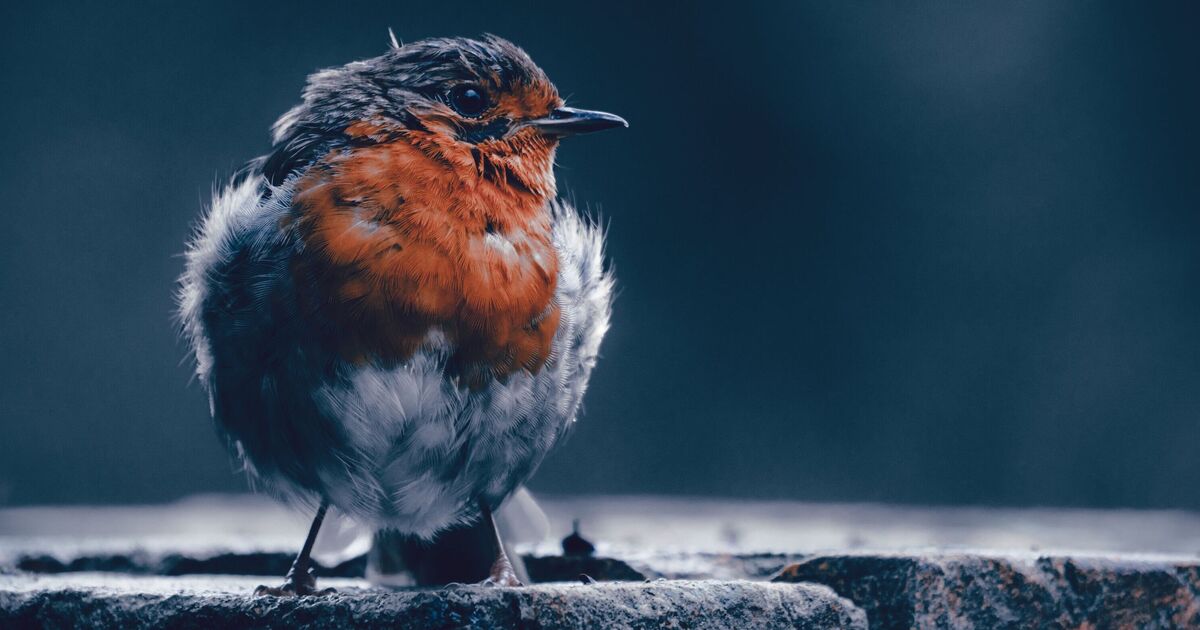
A common kitchen staple can be used to help keep garden birds like robins coming back to your garden, even in the colder months of the year. Birds are a welcome presence in gardens, partly because they make them feel vibrant and alive, while welcoming a new day with their soothing song.
However, they also play a crucial role in protecting your flowers and plants from damage and disease by targeting pests. However, autumn and winter can be a challenging time for them, as frozen ground prevents them from foraging on their preferred food sources, including insects, worms, fallen seeds and berries.
It’s important to give them a bit of extra support and ensure they provided with the water and food they need, but it doesn’t always need to be seeds and grains.
According to the RSPCA, garden birds, including Robins, are partial to a variety of different kinds of food, including something you may not have thought of: cooked pasta.
The carbohydrates pasta provides are a great way to give the winged critters a bit of extra energy amid the chilly and challenging weather conditions.
However, the charity stresses that it’s crucial that you cook the pasta in water, without salt, butter, spices, oil, or anything else that could harm them. You should also cut up larger pieces to make it easier for them to eat.
You can get a 0.5 kg packet of pasta for as little as 41p at Aldi, for example, making it cheap to add some variety to their diet with leftover bits you haven’t cooked for yourself.
It’s not the only kind of “human food” they can stomach, the charity says. They also like rice, boiled potatoes, cheese and an uncooked and unsalted bacon rind, though as with pasta, it’s important to serve them up plain so as not to harm them.
But just like us, birds need a balanced diet to stay healthy. Other things they enjoy include fruit, (namely raisins, sultanas, apples, pears and soft fruits), and grains and seeds that are suitable for them, including:
nyjermilletoatssunflower seeds
They can also be fed peanuts, but as with the pasta and others, they must not be salted. They must also be fresh and not contain aflatoxin (a poison produced by certain moulds).
They should also only be put in feeders with a smaller mesh as young chicks can choke on whole ones.
According to the charity, other food options include net-free fat or suet balls or insects like mealworms or waxworms.
However, dog owners are told to be “careful with grapes, sultanas, raisins and some artificial sweeteners”, as they’re toxic to to them.
Garden birds also need plenty of fresh water, so its recommended to leave out bowls of it regularly if you don’t have bird baths.
You should avoid putting feeders and bowls near places where predators that target them can hide.
Comments are closed.