
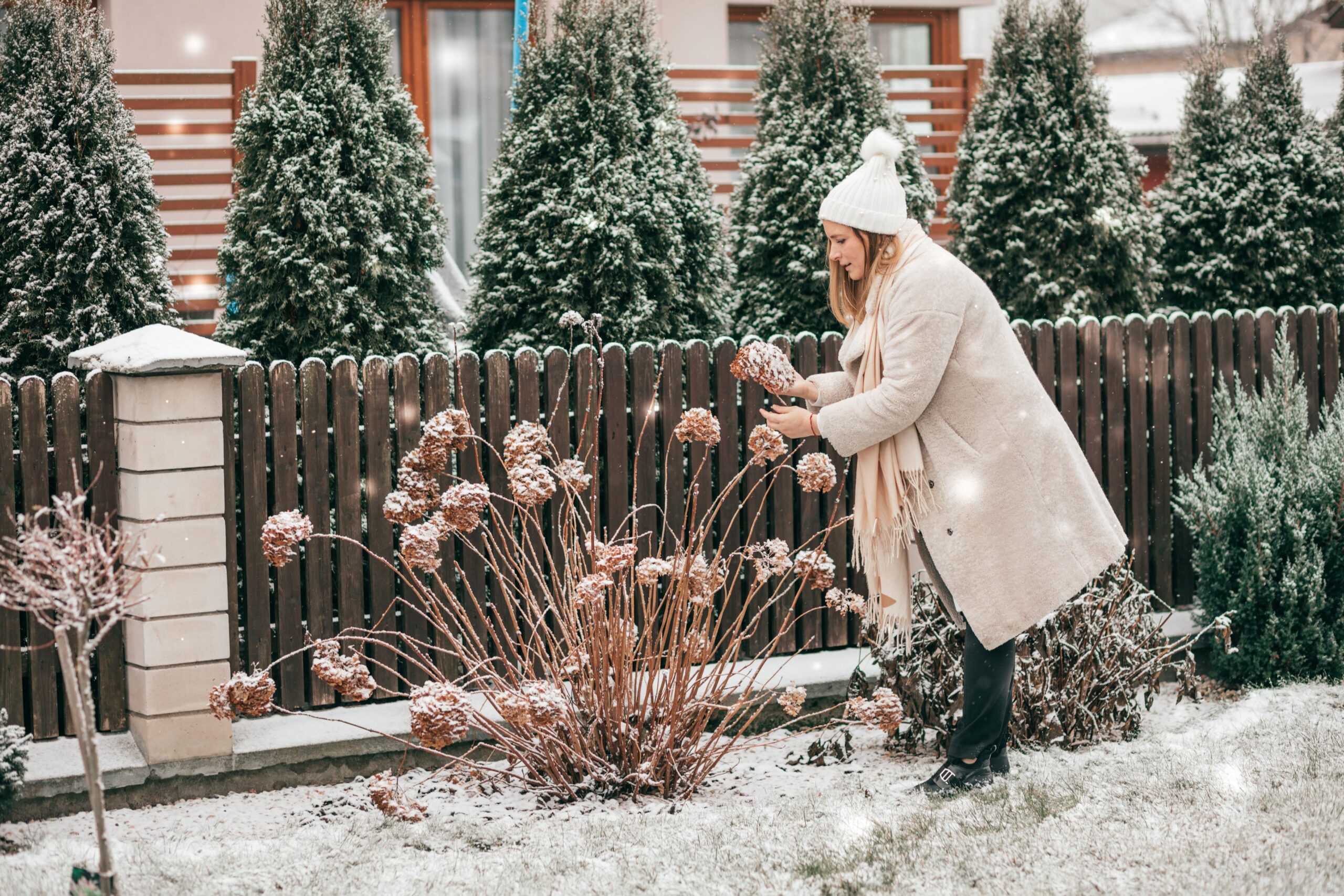
December isn’t often thought of as a gardening month. Reindeer, wreaths, and snow occupy our minds. But there’s still gardening or gardening-adjacent activities wherever you live. Here’s a breakdown by region with more garden activities to remember to accomplish in December.
Northern Region
The northern tier of states, such as Minnesota, Michigan, and Maine, are likely to be enjoying snowfall in December. While you are cozied up indoors, tick these things off your list. Most are quick checks or visits, but will detect or prevent problems later.
Edible Garden
Take stock: As seed catalogs start arriving, it’s the perfect time to assess what grew well last year, what didn’t, and pore over those tempting pages to see what you’d like to try this coming year.
Start a shopping list: To zero in on the seeds you want to buy, first make three lists: grow again, grow a different variety, and no thanks. That will provide a starting point, and you’ll have a better idea of how much space you might have to work with as you flip through those catalogs. Of course, circling tons of exciting new varieties, whether you have room for them or not, is a gardening tradition, so don’t let a little organization get in the way of your fun.
Flower Beds, Perennials, and Ornamentals
Watch for critter damage: Your hydrangeas, roses, and dogwoods may be dormant and bare, but deer and rabbits may still nibble them. Occasionally inspect cages or guards to ensure they are still in good condition and securely fastened.
Check on stored bulbs: Every couple of weeks, give your stored dahlias, gladiolas, cannas, and other tubers, bulbs, and corms a once-over to make sure all looks okay. A leaky cellar ceiling, a hungry mouse, or a damp basement can cause a mess if not discovered until spring.
To-Do Checklist
Hang a suet feeder for your winter bird friends.
Order popular varieties of spring-planted bulbs now before they sell out.
Clean and sharpen pruners in preparation for winter pruning tasks.
Middle States (e.g., Kansas, Virginia, Missouri)
In the middle states, such as Kansas, Virginia, and Missouri, most plants are dormant, and you might see snow for the holidays.
Edible Garden
Harvest winter veggies: If you have cool-season vegetables still growing in cold frames or under low tunnels, continue harvesting as needed.
Care for indoor herbs: Ensure any pots of herbs you brought in for the winter are getting adequate water and light. Eliminate any common indoor pests such as spider mites and thrips that pop up.
If your herbs are getting leggy, provide more light, and use the leggy bits as cuttings to start new plants.
Flower Beds, Perennials, and Ornamentals
Protect young trees and shrubs from rabbits and deer: Foods these animals normally turn their nose up at become important survival forage as the winter season goes on. Avoid damage by installing rabbit and deer guards around young trees and shrubs, ensuring they are tight to the ground.
Manage mulch: Winter winds combined with no snow can blow away straw, leaves, and pine needles, leaving your perennials and other plants unprotected. After a storm, restore any displaced mulch to shield roots from temperature extremes.
To-Do Checklist
Monitor your drainage, especially around perennial beds. Winter rains and occasional snowfall won’t evaporate or be taken up by plants as quickly now, and it’s common for water to pond where it wouldn’t in summer. Even in winter, most plants won’t tolerate sitting in water. A temporary shallow ditch can lead water away from your garden beds and ornamental trees.
Check your stored root vegetables and squashes and discard any that are looking mushy, soft, or otherwise unappealing. Toss them in the compost.
Southern Region
For Texas, Georgia, Florida, and other southern states, the fall and winter garden season is in full swing. Most areas have had their first fall frost but some southern gardeners are already only 10-12 weeks out from their last spring frosts. If that’s you, it’s time to start thinking about long-lead time plants that benefit from a super-early start, like rosemary, onions, celery, and hot peppers.
Edible Garden
Keep tending cool-season crops: Gardeners in the southern tier can often keep crops like greens, kale, and brassicas going right through the winter. With a little TLC, you’ll be enjoying garden harvests while the rest of the country is picking through the produce aisle at the grocery store.
Continue watering: It’s easy to forget once the weather cools, but cool-season crops still need moisture, and if the rains don’t bring it, you’ll need to provide. Check the soil with your finger, and if it feels dry an inch down, it’s time to water.
Plant garlic: It’s not too late to get your seed garlic in the ground. Creole and Artichoke types do well even in warm climates.
Harvest squash: If you haven’t yet brought in your winter squashes and pumpkins, do so now before a hard freeze damages them.
Finish garden sanitation: Remove any plants that showed signs of disease. Toss them into the trash, don’t compost them. Be especially vigilant about getting all your tomato plants, including the old leaves. A lawn rake can help to gather them effectively. Many tomato diseases will remain in old, dead foliage, ready to strike again the next year.
Credit:
Peter Krumhardt
Flower Beds, Perennials, and Ornamentals
Plant spring-flowering bulbs: As long as the soil isn’t frozen, you can still plant spring-flowering bulbs like tulips and daffodils. If you didn’t chill them yourself, you can buy pre-chilled bulbs to plant for spring flowers.
Install fencing or guards around young trees and shrubs: Inexpensive barriers are an easy way to prevent deer, rabbits, and rodents from damaging newly planted fruit trees and other young woody plants through the colder months.
Keep up with weeds: Many perennial weeds will continue to grow throughout the winter in warm climates. On a sunny day, grab a sharp hoe and get rid of them.
Dig and store tubers and bulbs: If necessary for your climate, dig up cannas, dahlias, and gladiolas to overwinter them indoors. Even if dahlias will overwinter in the soil for you, digging and dividing them now will give you more plants and prevent them from getting overgrown, which can lead to fewer and smaller blooms.
To-Do Checklist
Comments are closed.