


Columnist Al Alborn
Tired of reading one more column about politics, data centers, or other issues? Let’s talk about something you can control: Your lawn.
Every November across Prince William County, the ritual begins. You hear the leafblowers first – those high-pitched roars firing up across Manassas, Woodbridge and Bristow. Then come the mountains of brown paper bags lining neighborhood curbs, stuffed to the brim with what many homeowners consider seasonal waste.
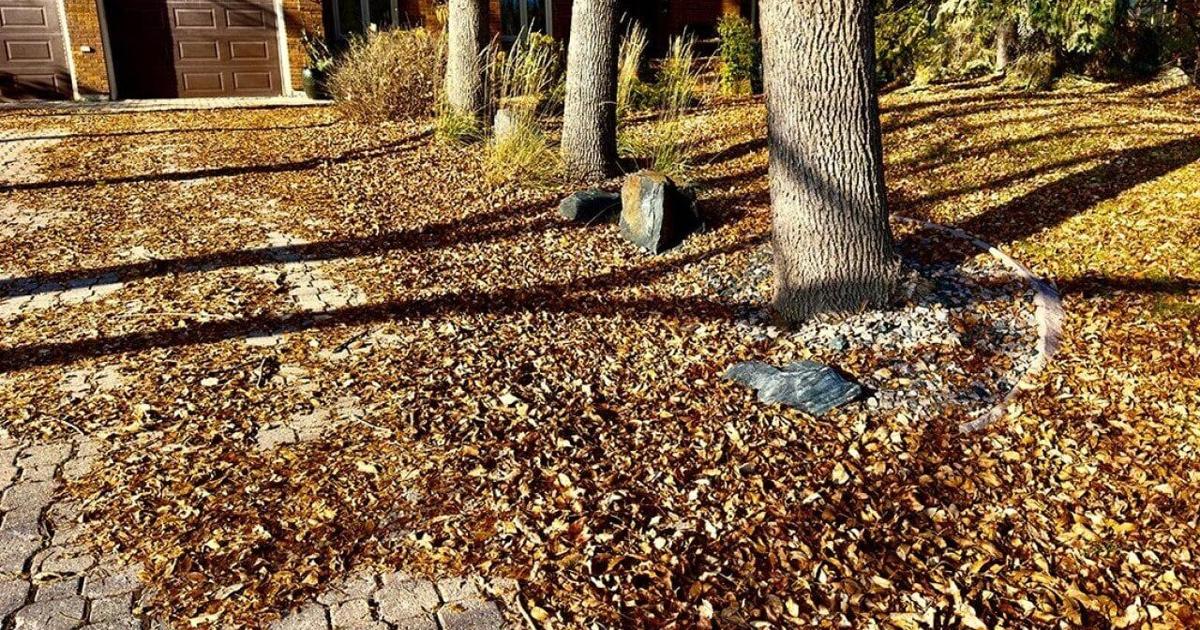
But here’s a truth that still surprises people: Your fallen leaves are not trash. In fact, leaving them in your yard is one of the easiest, cheapest and most environmentally beneficial choices you can make.
We’ve been conditioned to believe that a “clean” yard must be leaf-free. But ecologists, landscape experts and conservation groups from the Audubon Society to local master gardeners tell a very different story. Nature designed autumn leaves to fall for a reason. And when we remove them, we break a cycle that benefits our soil, our pollinators, our trees and even our wallets.
Start with the soil beneath your feet. Leaves are a natural mulch, the same kind garden centers charge a premium for every spring. A thin layer of leaves protects lawns from winter freeze, retains moisture and slowly decomposes to feed the soil with organic matter.
In neighborhoods across Prince William, where clay-heavy soil can be stubborn and compacted, this gift matters. Healthy soil means healthier grass come spring – without fertilizers, aeration services or added chemicals that eventually end up in our waterways.
Then there’s the life hiding inside those leaves. Many of the pollinators we depend on – such as native bees, butterflies, moths and lightning bugs – overwinter in leaf litter. Species like the luna moth, swallowtail butterfly and beloved fireflies lay eggs or pupate in leaves.
When we rake, bag and haul those leaves away, we’re throwing out entire generations of beneficial insects. Considering how much Prince William residents value spring fireflies in Bristow backyards or butterflies along the trails at Prince William Forest Park, that’s no small loss.
Birds also rely on leaf litter to forage for insects throughout winter. Cardinals, wrens, robins and chickadees – some of the most common visitors to Manassas-area feeders – depend on the tiny ecosystems created by fallen leaves. Leaving the leaves keeps that food web intact.
And here’s a factor most homeowners appreciate: skipping the rake is cheaper and easier. Leaf removal in Northern Virginia can cost hundreds of dollars per season. Even do-it-yourself raking takes hours of physical labor and generates waste that must be transported, mulched or incinerated – adding to local landfill loads and regional emissions. Leaving your leaves in place eliminates both the cost and the hassle.
Of course, this doesn’t mean letting knee-deep piles smother your lawn. The key is managing, not removing.
Run a mulching mower over your leaves once or twice; the chopped pieces break down faster and won’t inhibit spring growth. Rake heavy piles into beds around trees or shrubs, where they act as insulation. Create a leaf pile in an unused corner of your yard to support wildlife. All of these approaches keep the ecological benefits without the drawbacks of thick, wet mats.
Local governments, including Prince William’s Department of Public Works, increasingly encourage residents to reduce yard waste where possible. The county already grapples with rising tonnage from suburban landscaping trends. Choosing a lighter-touch approach helps reduce the burden on waste facilities and supports broader environmental goals.
There’s also an unexpected cultural shift happening: More homeowners are embracing a “softer” yard aesthetic. Native plant gardens, pollinator patches and reduced-mow lawns are gaining popularity
So when the leafblowers begin their yearly chorus and your neighbors start the annual race to produce the tidiest yard on the block, consider opting out. Your grass, your trees, your pollinators and your back will thank you.
Nature already knows what to do with those leaves. The only question is whether we’re willing to trust it. If your neighbors or HOA complains, send them this column.
Al Alborn is a Virginia Cooperative Extension Prince William Master Gardener Emeritus, a Virginia Master Naturalist and an Audubon Ambassador. You can learn more about Al at alborn.net.
Comments are closed.