
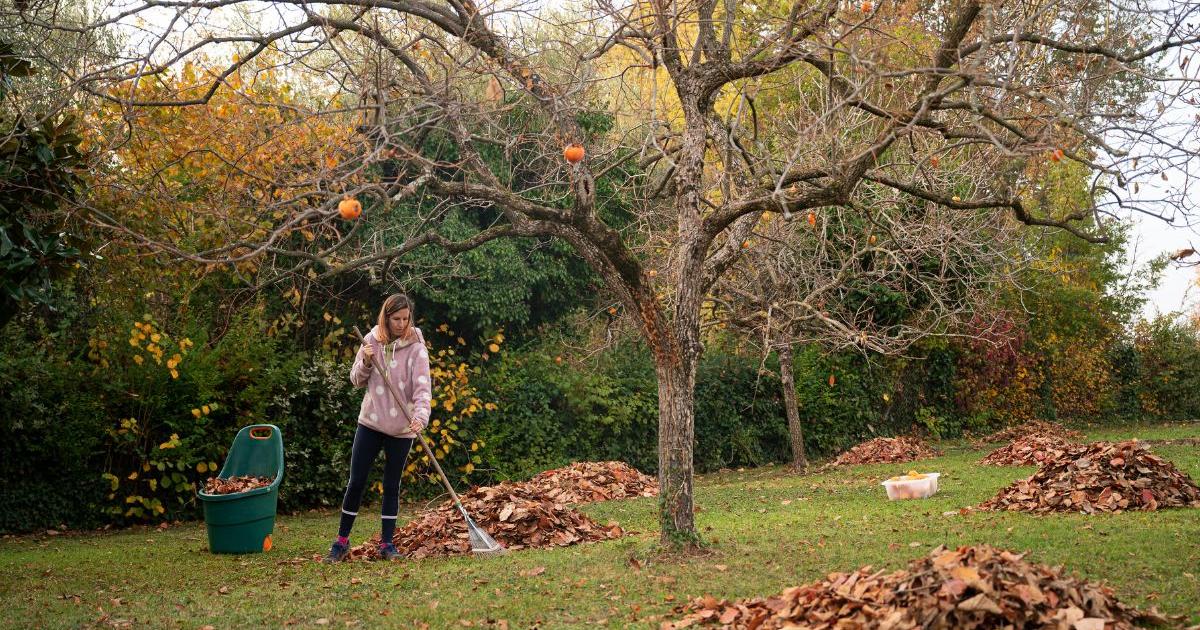
As trees continue to shed fiery orange, red and brown leaves, many people might be getting fed up of the soggy piles taking over their gardens.
But although it might seem silly, it turns out that by not removing every leaf from your garden during the colder months of the year, you could actually give wildlife the “best chance” of surviving over the next few months, according to experts.
Is it good to leave your leaves on the ground during the winter?
Garden wildlife enthusiast Lucy Taylor of Vine House Farm Bird Foods, said: “We’ve long had a bit of an obsession in the UK for clearing up fallen leaves in our gardens and then disposing of them, but attitudes are changing and it’s much better to see autumn leaves as something of a harvest.
“In the same way that invertebrates use the dead foliage of the perennial plants for protection and food, the same is true for leaves.
“So create piles of leaves in the corners of your garden, spread them onto borders, or, with the exceptions of paths and patios, just let them remain where they’ve fallen.
“By resisting the urge to rake up every leaf and cut back every plant, you’re giving insects, birds, hedgehogs and even frogs the best chance of making it through the colder months.”
How to Care for Your Garden During Winter
Luke Newnes, gardening expert and member of Hillarys Interior Squad adds: “Consider creating a designated ‘wild corner’ where leaves and dead plants can remain undisturbed.
“Alternatively, shred leaves and use them as mulch around beds and borders.
“Avoid leaving thick, wet layers on lawns, as this can smother grass and encourage disease.
“In short, leaving some natural material in place is good for garden health and wildlife, just manage it thoughtfully to balance aesthetics and ecology.”
Eflorist’s flower specialist, David Denyer agrees: “You’ll want to keep this layer [of leaves] thin as the weather turns wet and snowy.
Don’t leave a thick layer of wet leaves in your garden (Image: Getty)
“You shouldn’t leave a thick layer of wet leaves in your garden as this can block sunlight from the plants underneath, and also encourage fungal diseases to grow on your lawn.”
Meanwhile when it comes to looking after your decking and patio, Emily Green, gardening professional at Howarth Timber, shares why you should get rid of leaves in these areas this autumn and winter.
Recommended reading:
Emily said: “If leaves are left to rot in the winter weather, their mould can not only stain your patio, but can contribute to the growth of mould and mildew in your decking.
“Brush away any dust, leaves, algae, dirt, and pay close attention to any nooks and crannies where debris can collect.”
It’s also important to clear leaves from garden paths and patios as they become very slippery during autumn and winter due to increased rainfall.
Comments are closed.