
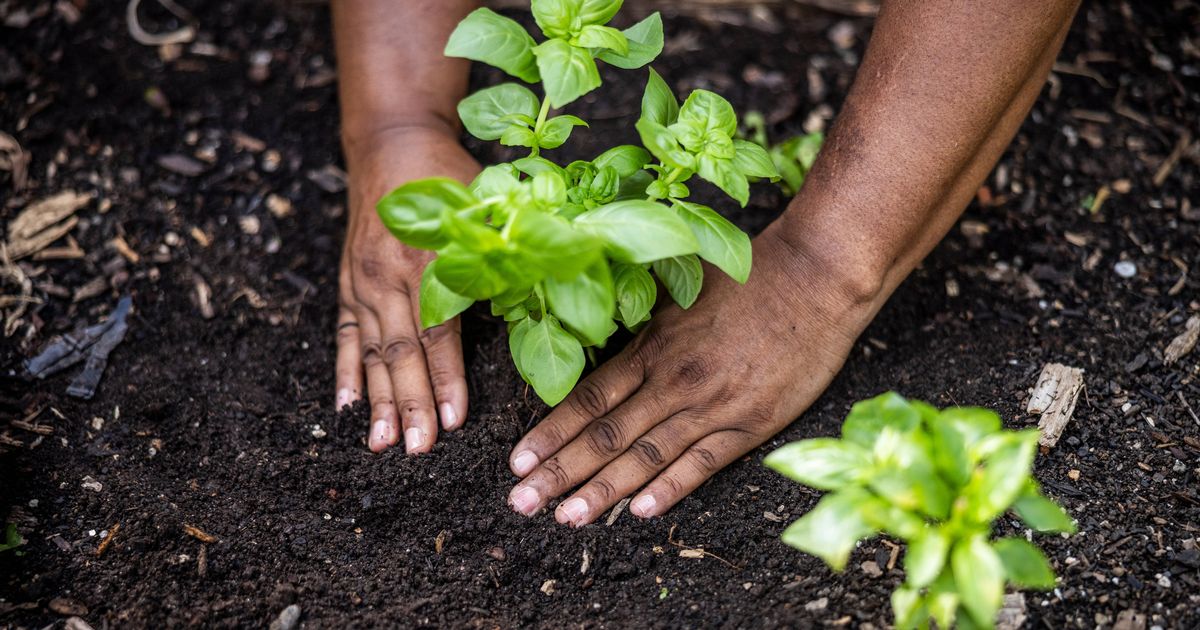
A gardening expert has shared a simple task you should do in your garden before the end of November to help your plants survive the winter and keep soil from freezing solid One gardening job must be done before the end of November (stock photo)(Image: MoMo Productions via Getty Images)
Winter can be a tough period for gardeners. Few plants flourish in the frosty months, and the severe weather often results in many flowers and crops perishing, either permanently or until spring’s arrival prompts regrowth. The chilly conditions also make it challenging for gardeners to venture outdoors to care for their plots, with rain, freezing temperatures, or even snow often proving prohibitive.
As a result, our gardens frequently fall into neglect during winter, with tasks being overlooked and a substantial tidy-up required once the climate becomes more clement in spring. However, one horticultural expert has encouraged individuals to brave the cold and venture into their gardens before November concludes to carry out a crucial task that could ensure your garden flourishes throughout the winter.
A gardener named Dan shared a video on social media illustrating the significance of mulching, particularly during the winter season.
In the Instagram footage, Dan initially displayed a section of his garden that he had neglected to mulch, revealing it to be frozen solid. He was unable to lift any clumps of soil or penetrate the mud with his fingers as would be possible if it were soft.
He then moved to a different part of his garden that he had mulched with a layer of fallen leaves collected from the end of his street. Whilst the leaves themselves were coated in frost, Dan was able to lift them up, and the earth beneath was perfectly soft as it should be.
Content cannot be displayed without consent
Dan explained: “That soil is very, very soft. It’s got a lot of moisture in it, and it’s not frozen over. It’s cold, but it’s not frozen. That is why we mulch.”
Mulching involves covering soil with materials like wood chips, compost, or straw to retain moisture and control soil temperature. During winter, it can help garden plants survive harsh temperatures by shielding their roots.
Moreover, mulching keeps the earth moist so the ecosystem in your soil can flourish. Worms and other creatures living in your soil will make it through winter if you mulch, which can help your plants grow stronger when spring arrives.
Viewers of Dan’s video were grateful for his advice, with many admitting they hadn’t realised mulching was so crucial.
One person commented: “Mulch is fantastic in many ways, thanks for showing another one.”
Another wrote: “This is a great tutorial. I’m out mulching tomorrow.”
How and why you should mulch your garden
Mulching your garden can offer a plethora of benefits. It helps to retain moisture in the soil, keeps weeds at bay, regulates soil temperature, prevents soil erosion, enhances soil health, reduces soil compaction, and safeguards plants. Plus, it can lend your garden a tidier and more polished appearance.
To mulch your garden this winter, adhere to these steps:
1. Choose the right mulch
Organic mulches: Shredded bark, wood chips, straw, grass clippings, compost, leaves.Inorganic mulches: Gravel, pebbles, landscape fabric, black plastic.
2. Prepare the area
Remove weeds and water the soil thoroughly.Loosen the soil if compacted.
3. Apply the mulch
Spread mulch evenly around plants, leaving a small gap around stems/trunks to prevent rot.For most gardens, apply a 2–4 inch (5–10 cm) layer.For vegetable gardens, use lighter mulches like straw or shredded leaves.
4. Maintain the mulch
Replenish as needed, especially organic mulches that decompose over time.Check for pests or mold, and fluff mulch if it becomes compacted.
Comments are closed.