
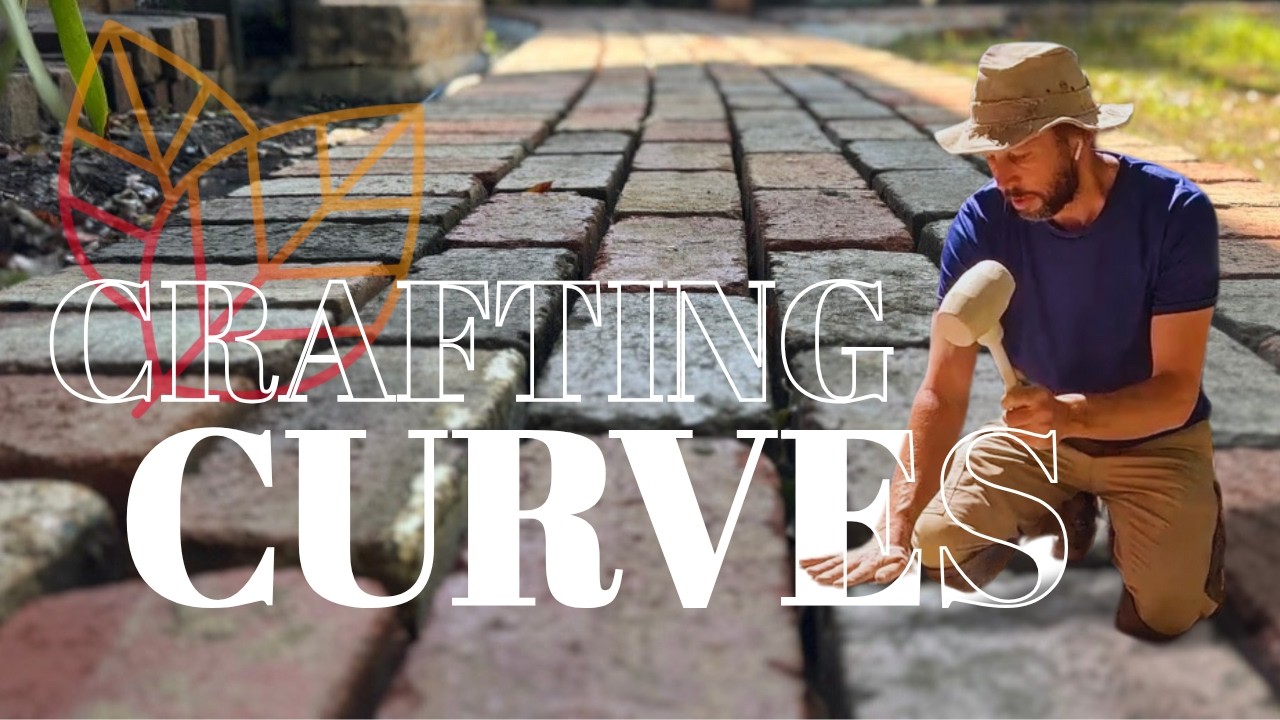
Follow my step-by-step process of laying a curved brick path firmly set on mortar.
👉 Watch part 1 here: https://youtu.be/2Cm9jCxJWY0?si=tUIk68kldNWuNLU-
Part 2 of this garden transformation series. This video covers essential techniques for creating smooth, durable curves in brick paving using mortar, proper base preparation, joint filling, and ensuring lasting structure with sustainable materials. Perfect for DIY enthusiasts and garden lovers seeking to add charm and structure to their outdoor spaces. Join me as I bring this garden pathway to life, blending craftsmanship with natural flow.
——————————————–
Tutorial: Paving on Mortar
👉 https://youtu.be/Z66v3R-WU2E?si=pUCzrH7xJFXkns-d
——————————————–
THIS CHANNEL:
Explore inspiring garden ideas, step-by-step how-to tutorials, and relaxing videos showcasing the art of transforming outdoor spaces. Whether for education or entertainment, enjoy captivating designs and the soothing process of creating beautiful, functional gardens.
Timelapse landscaping videos showing full garden builds
Relaxing music paired with visual garden transformations
Step-by-step “How To” guides for garden and landscaping techniques
Focus on paving using reclaimed bricks and natural stone
Tips for sustainable and eco-friendly landscaping
Creative ideas for backyard makeovers and outdoor design
Demonstrations of planting, paving, decking, and more
Inspiration for DIY gardening projects
Content suitable for garden enthusiasts, DIYers, and homeowners
Education for beginners and seasoned gardeners alike
Easy-to-follow advice for enhancing curb appeal and property value
Videos ideal for inspiration, relaxation, and practical learning
Community of garden and outdoor living fans
Regularly updated with new garden builds and tutorials
——————————————–
#garden #brickpaving #gardendesign
In this video, we’re creating a curved brick path that seamlessly connects the patios, steps, washing line, and side gate. Using durable mortar set bricks and the classic running bond pattern with smooth curves, this path combines strength, style, and practicality across the garden. Welcome back to part two of our garden transformation journey. Today we’re concentrating on laying a curved brick path that will tie together the two main paved areas, the steps, the side gate, and the space beneath the washing line. This path will act as the key connection, bringing unity and a smooth flow to the whole outdoor space. I’m pulling up the old bricks to reuse for the new path. I have no idea how long they’ve been here. Decades probably, but they’ve held up remarkably well considering they were just laid straight onto the dirt. Before I remove the old concrete pavers, I’m going to give them a quick pressure wash to freshen them up. I plan to snap a few photos and share them on a local notice board, offering them for free to anyone who might find them useful. This approach is not only practical, but also support sustainability. By passing these materials on instead of sending them to landfill, I can help others with their projects and keep valuable resources circulating. It’s a simple way to support the spirit of reuse and recycling that’s at the heart of this garden makeover. As I dig out the old paving and clear away the sand, much of this area will be transformed into garden beds. These new beds will provide a wonderful opportunity to introduce a variety of plants that not only soften the harshness of the hard surfaces, but also add vibrant color, texture, and seasonal interest to the space. By adding greenery alongside the new path and paving, the garden will become more inviting and balanced, creating a seamless transition between the man-made elements and natural surroundings. The presence of plants will also help to break up the monotony of the paved areas, making the outdoor space feel more dynamic and alive. Beyond aesthetics, creating garden beds here offers several practical benefits. They will significantly improve drainage, reducing the risk of water pooling or runoff issues around the pass. Wellplaced vegetation can absorb excess rain water, helping to manage moisture levels and prevent erosion. Furthermore, the new beds will contribute to a more balanced ecosystem within the garden by providing habitats for beneficial insects, birds, and other wildlife. This promotes biodiversity and encourages a healthier, more sustainable outdoor environment. This stage of the project is all about thoughtfully connecting everything through careful planning and attention to detail. The curved path will not only guide footsteps smoothly and naturally between key garden features, but its flowing shape will bring a sense of peace and rhythm to the space. By setting up string lines at different points, I’m able to measure the varying levels accurately and ensure a smooth, consistent transition that ties all the areas together naturally. These strings mark the exact height where the top of the paving will sit, serving as a clear visual guide. This helps me determine how much soil needs to be removed in each spot to accommodate the base layer, mortar, and bricks. While we’re on the topic of the base, here it is. Now, I’m planning to weigh down 100 mm of it under the path. I’ve covered the importance of a solid base in previous videos, so to avoid sounding repetitive, I’ll just say it’s crucial for the strength and durability of your path. Whatever you do, don’t cut corners. Here, I’m adding some cement to the crushed rock base to help stiffen it up even more, creating a really solid foundation for the path. The cement binds the crushed rock particles together, which reduces movement and increases stability under the paving. This part of the fence has been broken and needs replacing. I’m going to build a small retaining wall here to hold back the soil from next door. I’ll start by concreting in some posts and I seem to have found a water man or go find the shut off valve and get this sorted out. It turned out to be the neighbor’s water line that the plumber had decided to place on this side of the fence. Fortunately, I’ve probably got some parts in the car to fix. It should only be a 5minute delay. So, back to this retaining wall. I’ll set the posts now and once the concrete is hardened, I’ll attach some sleepers. The strings will help line them all up, and I’ll cut them to the correct height later on. The weather has turned on me, so it looks like I won’t get much done today. Might be a good chance to sneak out for a cheeky midweek surf instead. Now that the base layer is fully prepared, it’s time to start laying the bricks. It’s not the nicest morning to start the paving. The sky is still a bit gray and there’s a dampness in the air. It looks like the worst of it has passed, though, so hopefully it’s just some light showers for the rest of the day. But of course, it is Melbourne, so anything could happen. I’ll keep some covers handy just in case it turns nasty again. To help set the curve, I’m going to use a power cord. This is a simple trick that lets me easily adjust and test different curve shapes until I find the perfect flow. It helps me visualize how the path will sit in the garden and ensures the bricks follow a smooth, natural arc. It’s a practical trick that makes shaping curved pathways much more manageable and precise. I’m using the same bricks as before to maintain visual consistency across the garden. However, this time the bricks will be set on mortar rather than sand. The main reason for this choice is the nature of the site. Sections of the path have a noticeable slope and sand joints are vulnerable to washing out with rainwater over time, especially on an incline. Additionally, the washing line and side garden are in full shade, which means moss and dirt buildup are common. This area will require pressure cleaning every year to keep it looking fresh, and mortar joints are far more durable under these conditions. [Music] Laying a curved brick path is a rewarding challenge. The gentle arcs add an organic feel to the garden. Unlike straight paths, curves invite exploration and soften the geometry of the landscape, making the space feel more inviting and dynamic. Achieving a smooth, even curve requires patience. measuring levels correctly, adjusting the layout and fitting each brick carefully to maintain the pattern. While it takes more attention than a straight path, the result is a unique addition to the garden and is well worth the extra effort. Once the first row is set, simply follow it carefully with the next one, making sure each brick stays flat and maintains the correct angle. Keep checking alignment and levels as you go to ensure a smooth, even curve throughout the path. I’ve opted for a running bond layout with a border. This classic brick pattern provides excellent strength, making it less prone to cracking. The border of this new path will match the existing paving edges from the first video, ensuring the whole area ties together. As I lay these reclaimed bricks, I often think about the tough conditions that the workers who originally made them would have faced in 1920s Melbourne. Brick making was heavy manual labor. Workers spent long hours outdoors or in poorly ventilated yards, often exposed to dust and extremes of weather, scorching summers and cold winters. Safety measures were minimal by today’s standards. Many workers, including young boys, operated near dangerous firing kilms and heavy machinery without protective gear. The work was physically demanding, repetitive, and sometimes hazardous. Long shifts and low wages were the norm, and factory conditions could be crowded, noisy, and dirty. Despite this, skilled hands shaped every brick with care, knowing each piece was essential in building homes and infrastructure. Holding these bricks now, I feel a connection to those hardworking men and women whose skill and endurance made Melbourne’s growth possible. It adds a new meaning to my work. Placing bricks that have already carried a century of history, bridging the past with the present. Using reclaimed bricks is something I’m really passionate about. Every brick I lay has a past. It’s been salvaged from old buildings or paths. Getting a second chance to be part of something new. It’s not just about the unique character that reclaimed bricks bring. Although that’s definitely a big part of it. It’s also about making smarter, more sustainable choices, reducing waste, and not relying on new brick production, which has a big environmental footprint. Every brick carries its own little story and putting them back into use keeps that history alive. To me, it’s about respecting the past and making spaces that are meaningful and connected to where we come from. For the washing line area, the goal is to create a seamless connection with the rest of the path while accommodating practical access needs. I’ll continue using the running bond pattern to keep visual consistency along with the matching brick border to maintain a cohesive edge. The section will be a bit wider than the main path, providing enough space to comfortably move around and use the washing line without feeling cramped. By blending the design and pattern with the surrounding path, this wider area will look intentional and integrated, enhancing both the functionality and continuity of the garden. instrument. Grouting, a task that feels endless and monotonous, like watching paint dry or waiting for water to boil. It’s a repetitive cycle of filling gaps, scrubbing away excess, and repeating. The process tests your patience and sometimes makes you question if there’s ever an end in sight. Sometimes it even leads to questioning a few life choices or coming up with crazy ideas like starting a YouTube channel. But despite how dull it feels while doing it, grouting is a crucial step that brings everything together, filling the gaps and locking the bricks securely in place for a lasting polished finish. I’m using white brick sand along with a specific brand of cement that I know will set white rather than gray. The aim is to create grout that closely matches the color of the sand used in the joints of the other paving areas. This helps maintain a consistent and cohesive appearance throughout the garden, ensuring the different sections blend together smoothly. With the variety of cements, sands, and oxides available today, you can create a wide range of grout colors to perfectly match or complement your paving. When adding oxide pigments, it’s important to be cautious. While they allow for custom colors, they can also weaken the grout if used excessively. To maintain durability, it’s best to add only small amounts of oxide and mix thoroughly, testing a small batch first to achieve the desired color without compromising the strength of the grout. Now, it’s just a matter of joining the paving to the pathway, ensuring a smooth transition between the two surfaces. Cutting the bricks is always a part I really enjoy. There’s something incredibly satisfying about shaping each piece and slotting it into position. It’s probably my favorite part of the job. I’m also extending this section slightly to accommodate the mobile planter box. for this section which will accommodate the outdoor workbench. I’m going to follow the same curve as the path to keep the design simple and consistent. I’m attaching a strip of damp coarse to create a barrier and prevent the sand from slipping through the grate. Right now, I’m paving this area on a bed of sand. It’s intended for the workbench, but using sand gives the flexibility to lift and rearrange the paving to change the layout in the future. It’s a practical approach that recognizes how gardens are always evolving. Gardens are never static. They exist in a constant state of movement and transformation. For example, when a big tree eventually reaches the end of its life, it opens up new light beneath its canopy. That new light allows younger plants to grow and flourish, renewing and changing the garden in unexpected ways. This cycle of growth, decline, and regeneration is what keeps a garden alive and vibrant. Just like the paving here, the garden space is designed to adapt and change over time, embracing the natural flow of life. I like to use up any broken bricks for the cuts. It’s a simple way to reduce waste. As the path wraps around the corner, it creates a shift in weight that often leads to cracking in paths like this. By cutting a control joint at this point, I’m intentionally creating a weak spot. The idea is that any crack will occur along this joint, keeping it neat and preventing an ugly, jagged crack from forming across the path. [Music] [Music] For our retaining wall, I’m attaching hardwood sleepers because they last longer and have a better appearance than treated pine. Hardwood sleepers are naturally more durable and resistant to weathering and pests, making them a superior choice. They can be more expensive and harder to work with compared to treated pine. However, they create a stronger, longerlasting retaining wall with a richer natural look. When using timber like this, it’s important to make sure it was sourced sustainably. Using sustainably harvested timber is essential because it helps protect forests, preserves biodiversity, and reduces carbon emissions, ensuring resources are available for future generations. Thanks for watching everyone. I hope you enjoyed following along with the progress so far. In the next video, we’ll be wrapping up this garden by installing the lawn, creating garden beds, and installing edging along with plenty of soft landscaping. These final touches will help define the space and bring a sense of completion to the garden, turning it into a peaceful and inviting place to enjoy. See you in the next one.
13 Comments
Just love your work.
G'day mate, just wanted to let you know that you've given me inspiration to complete a small paving job myself this weekend and I'm really happy with the result.. the production of your videos is excellent and the work you do speaks for itself 👌🏼. I took many tips from your videos although I'm shocking at working base levels, I had access to a spirit level to keep everything as needed.
Keep up the videos!
From WA.
Your work is the best! Inspiring us here in Brazil. Congratulations! Hyping your video!
You are a good person, a good heart!
Melbourne…? I thought you are from the UK.
Excellent video and great work! Could you explain the mortar mix you use to fill the brick joints? Also, could you explain the tools you use?
Love it, bro! Intelligent building and narration. I enjoy looking at the tools you use, too. Gives my ideas for my own garden hardscaping. Great techniques all around.
What sort of mortar mix are you laying them on? Brick and wash?
wow!!!!
Nice stuff as always. Such good production quality.
Hi, wondering whether you could tell me what you use to scrub away the excess mortar when grouting. I can see that you have some sort of wooden rectangular tool, but I can't see whether it has a sponge on the bottom or something else. Currently I am using a sponge and a bucket of water, but wondering whether there is a quicker/more efficient way?
Hi Tom – thanks for the video. At 16:58 you attached the Damp proof using a screw or something? what was it?
Thanks for another good video