
If you do one thing this week in the garden, make it count, says gardening expert Diarmuid Gavin who advises that certain plants and trees need to receive urgent attention to avoid problems next year
As winter rolls in following the first frost, gardeners are being warned to take urgent action to ensure that their plants come back healthy next spring.
Acers and birches need to be lavished with attention now, and inspected for any awkward or diseased branches that need pruning. It’s important to do it now because their sap rises early and leaving it until next spring will be too late.
That’s not the only job that the green-fingered amongst us need to tackle this week…
Jobs for the weekWalk through your garden and see what seeds or berries are available to collect and keep for spring sowings.Have you got all your garden furniture indoors or covered up for the winter? In the garage, these can be cleaned or rubbed with oil as necessary or painted.Not everything needs to be tidied up – a pile of leaves can make a cosy bed for a hedgehog this winter.If needed, prune acers and birches now to avoid risk of bleeding – their sap rises early so don’t leave it until spring. In general, they don’t require any pruning but if there is a branch that is in an awkward position or is diseased, now is the time to give it the chop.Vines can be pruned hard, back to two buds of last year’s growth, to encourage fruiting spurs.Retailers are discounting bulbs now so grab a few and get them in the groundREAD MORE: Gardening expert’s ingenious free hack to stop plants snapping in the windShrubs and trees winter strip tease
As the last of the deciduous trees drop their leaves, a new beauty reveals itself. Often heavily disguised with foliage, the bare stems and bark become more visible and can be very beautiful features of shrubs and trees. It’s worth taking a closer look and admiring the standout performers that we can enjoy over the winter months.
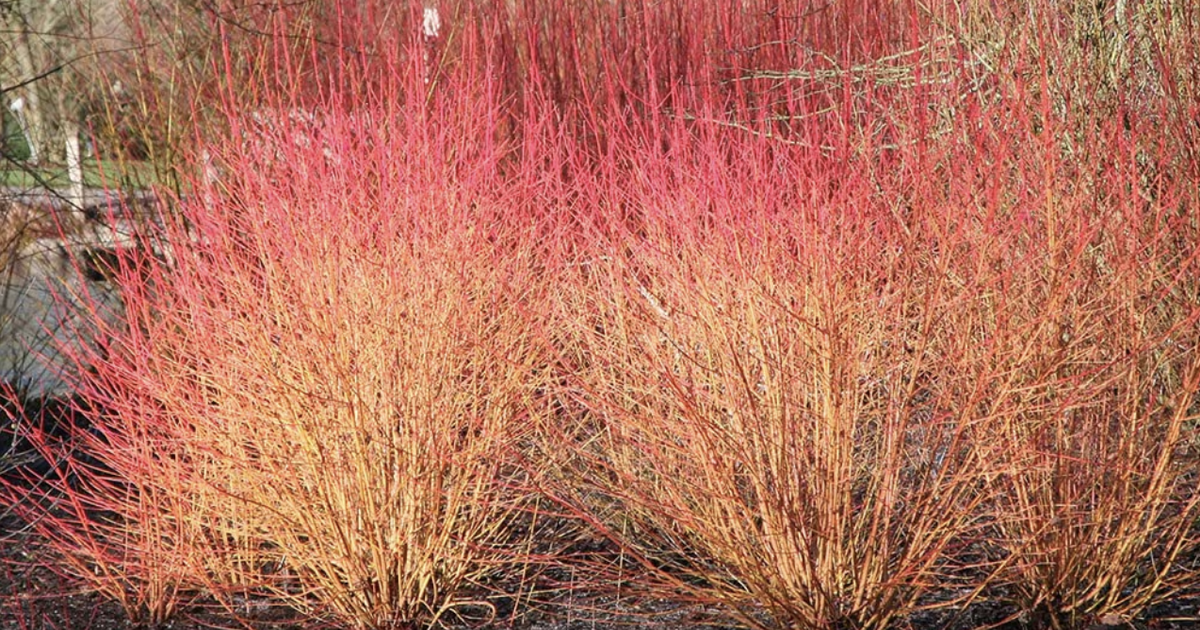
Contrast this with the fiery stems of dogwood such as Cornus ‘Midwinter Fire’. The stems are golden orange at the base but with a warm red glow at the tips. Other interesting dogwoods include ‘Flaviramea’, which has bright yellow green stems, and by contrast ‘Kesselringii’, with its purple black stems. As the stems mature, they can become woody and brown so the best way to ensure the vibrant colours is a good chopping back every few years, encouraging fresh colourful growth.
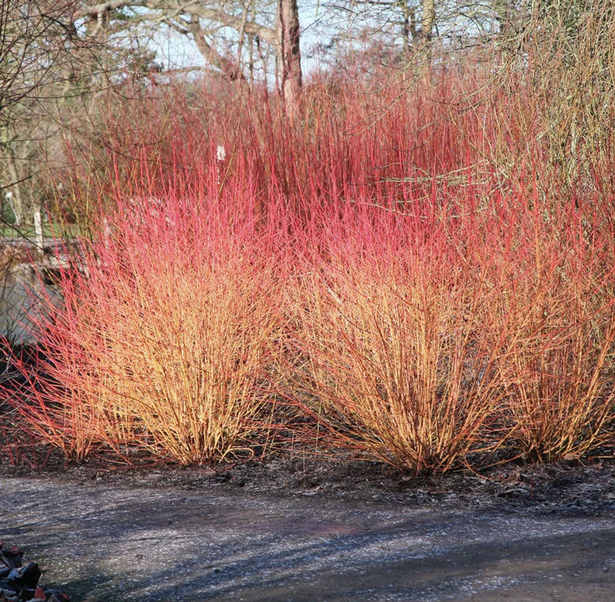 Cornus ‘Midwinter Fire’
Then there are the wonderfully twisted stems of the corkscrew hazel, Corylus avellana ‘Contorta’. This mutant version of our native hazel was found growing in a Gloucestershire hedgerow in the mid-19th century.
The distorted corkscrew stems curl and meander to form a living winter garden sculpture and in spring there is another beautiful show with pendulous yellow catkins. The stems are sometimes cut by florists to add architectural interest to floral displays.
For those with more limited space, ‘Scooter’ is a new dwarf cultivar. The corkscrew hazel is also known as Harry Lauder’s Walking Stick.
Sir Harry Lauder was a successful entertainer from Scotland, at one stage the highest paid performer in the world. He was knighted for his fundraising efforts on behalf of the war effort for the First World War and entertained the troops during the Second World War. On stage he wore a kilt and used a very comically twisted walking stick. The resemblance to the twisted hazel gave rise to this shrub’s common name.
 Sir Harry Lauder (1870 – 1950)(Image: Getty )
In my plot I’m enjoying the bark of Acer griseum. This is known as the paperbark maple, first discovered by English plant explorer Sir Ernest Henry Wilson in China in 1907. The bark is a coppery brown and the top layer TWISTED bark peels off in little shiny ruffles, Sir Harry revealing more cinnamon colours.
It’s often described as a small tree which it is for many years as it grows slowly but I’ve seen mature specimens that would be too big for smaller gardens. It has stunning autumn foliage. I also love at this time of year when the white Himalayan birches in the front garden are denuded of leaves and the stately white trunks and branches stand tall catching the winter sunlight.
Some of the bark also peels off these trees, revealing a creamier layer beneath. While the leaves turn golden yellow in autumn, it’s really in winter these trees sparkle most brightly.
Plant of the week – Camellia sasanqua ‘Plantation Pink’
Sasanqua camellias start to flower in autumn and provide welcome colour and fragrance at this quiet time in the floral calendar.
‘Plantation Pink’ has large, single, sometimes double, fragrant pale pink flowers. Plant this evergreen shrub in acidic soil in a sheltered dappled shady spot for best results. Holder of the RHS Award of Garden Merit.
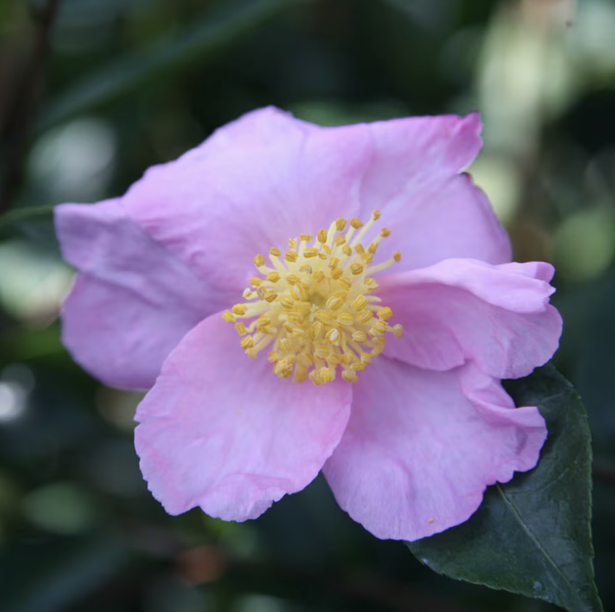 Camellia sasanqua ‘Plantation Pink’READ MORE: Gardeners warned this one job in November will stop horror disease killing plants
Comments are closed.