
1
/
10
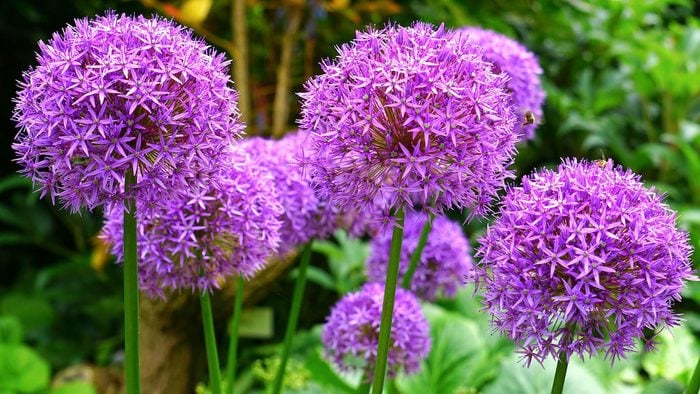 Ball Horticultural Company ‘Lucy Ball’ allium
Allium
Allium, Zones 4 to 10
A member of the onion family, deer dislike allium’s strong taste. Although a few varieties of allium have a tendency to spread, especially the smaller, wild varieties like wild garlic (Allium vineale), you can keep your allium contained by deadheading. Deadheading is the removal of dried, spent blooms, which drop seeds. Plant allium bulbs in fall at 2 to 3 inches deep and watch them shoot up in spring and summer.
Why we love it: The rounded, pom-pom-esque shape of their blooms adds extra whimsy to backyard landscapes. They also come in a wide range of heights, from 10 inches to 5 feet!
READ ON: Deer resistant shrubs to grow (and why deer won’t eat them)
2
/
10
 mdragan/Getty Images
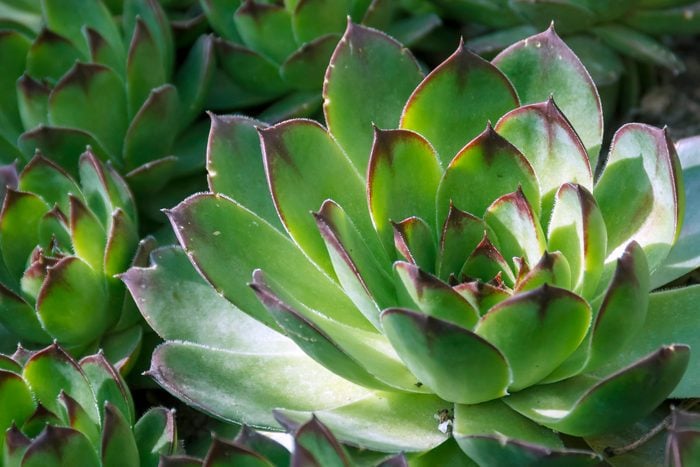
Hens and Chicks
Sempervivum tectorum, Zones 3 to 8
Succulents like hens and chicks aren’t a popular snack for deer, because their tough exterior and spiky edges make them unpleasant for deer to eat. Hens and chicks do their best with well-draining soil and full sun or light shade if in a particularly hot, dry region. They’re the stars of any rock garden, border or outdoor container.
Why we love it: Hens and chicks are very drought tolerant and hard to kill, so much so that their botanical name Sempervivum translates to “always living” in Latin.
Meet the different types of deer found in North America.
3
/
10
 Courtesy Jean Owens
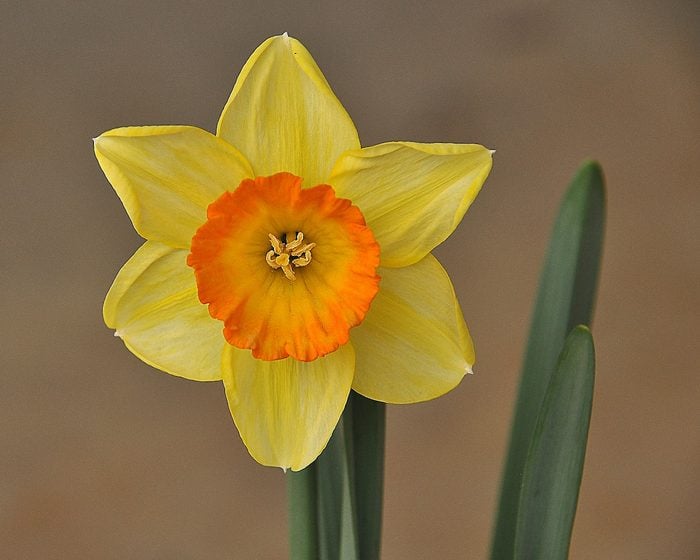
Daffodil
Narcissus, Zones 3 to 9
Although most people think yellow when they think daffodils, these early springtime blooms come in a variety of shapes, shades and other colors like orange and white. Deer don’t eat daffodils, because an alkaloid called lycorine makes daffodils poisonous. Daffodils aren’t fussy when it comes to growth conditions, but they do require good drainage and tend toward root rot if kept in wet conditions.
Why we love it: When planted around tulips and other flowers that deer love to eat, daffodils can create a natural barrier of protection and ward off nibbling deer.
Psst—if you find a baby deer in your yard, here’s what to do.
4
/
10
 db_beyer/iStockphoto
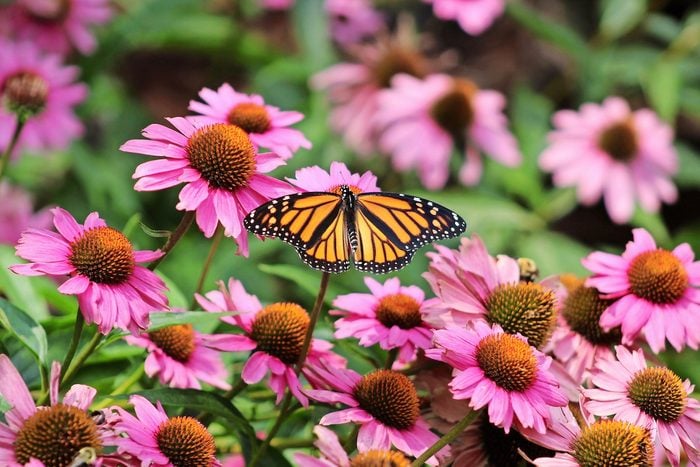
Coneflower
Echinacea, Zones 3 to 9
Although deer will sometimes graze on young coneflowers, once these native perennials mature, deer tend to pass them by because of their aroma and prickly seed cone. Coneflowers bring major color to the garden in summer and they’re low-maintenance, so they’re a good choice for beginner or busy gardeners. Deadhead coneflowers for continuous blooms, but leave some spent blooms behind for birds to enjoy the seeds in winter.
Why we love it: The open, flat shape of coneflowers make them landing pads for pollinators like butterflies and bees.
5
/
10
 Courtesy Bill Friggle
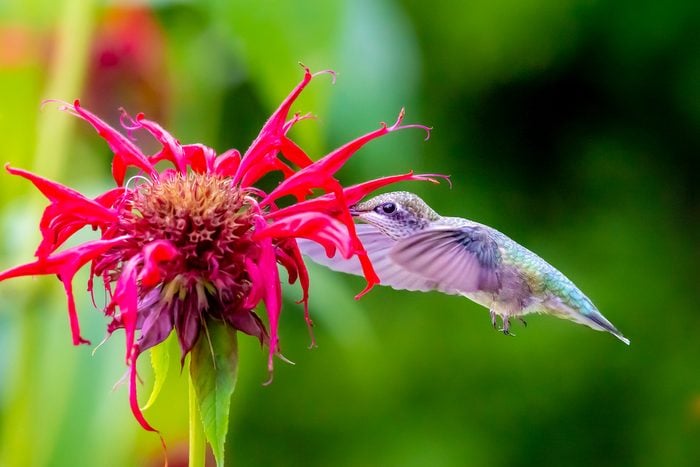
Bee Balm
Monarda, Zones 3 to 9
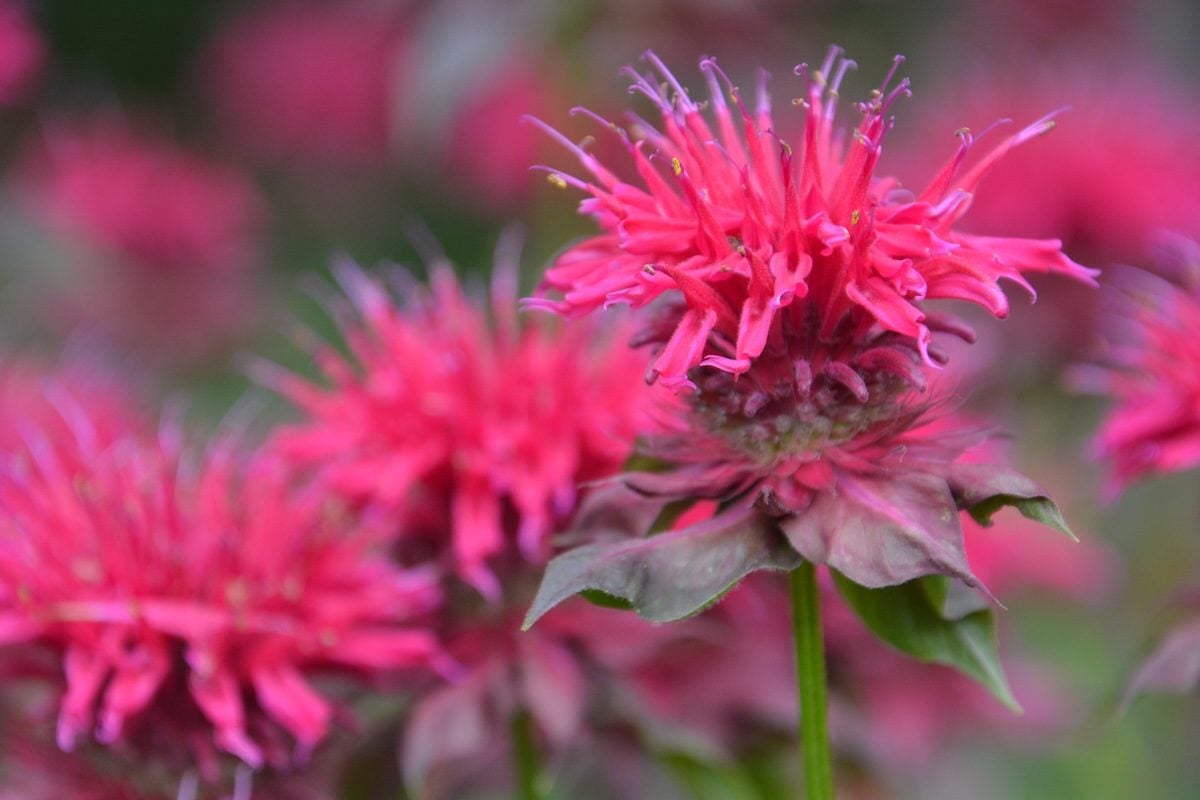
Bee balm is a member of the mint family, which explains why deer stay away. Although deer find bee balm’s herbaceous smell off-putting, it’s popular among gardeners and pollinators alike. Most bee balm grows between 2 to 4 feet in height. Bee balm will look its best when planted in full sun and moist, well-draining soil.
Why we love it: Bee balm brings in the hummingbirds thanks to its red blossoms, which are the ideal shape for hummingbird bills to reach the nectar inside.
6
/
10
 Courtesy Rhonda Conley
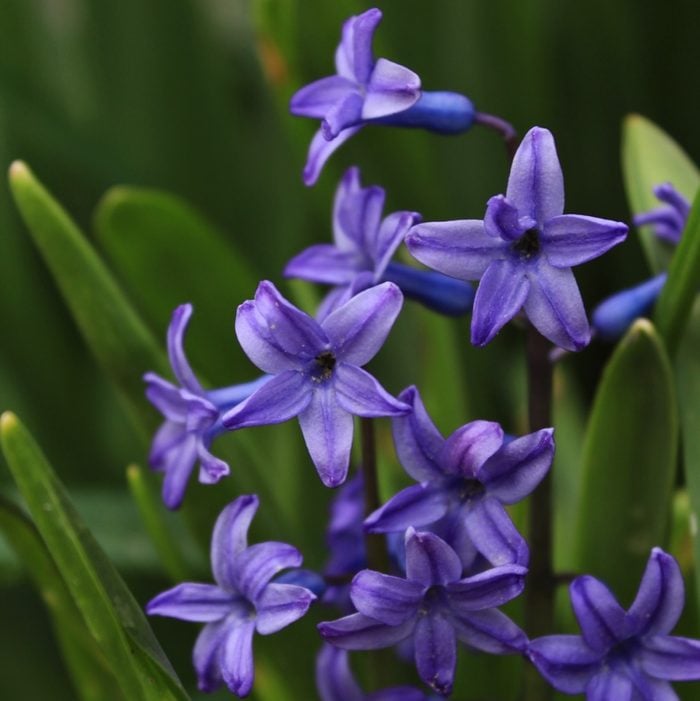
Hyacinth
Hyacinthus orientalis, Zones 4 to 8
These fragrant perennials release a biochemical smell that smells great to humans but not-so-great to deer. Be warned that hyacinth are poisonous, particularly its bulbs, so if you have a pet dog who loves to dig, you may want to skip this one. Plant bulbs 4- to 6-inches deep in fall and in well-draining soil.
Why we love it: Hyacinth come in a range of blues, pinks, and purples, and bring pops of pastel to April and May.
7
/
10
 Courtesy Kyla Szelag
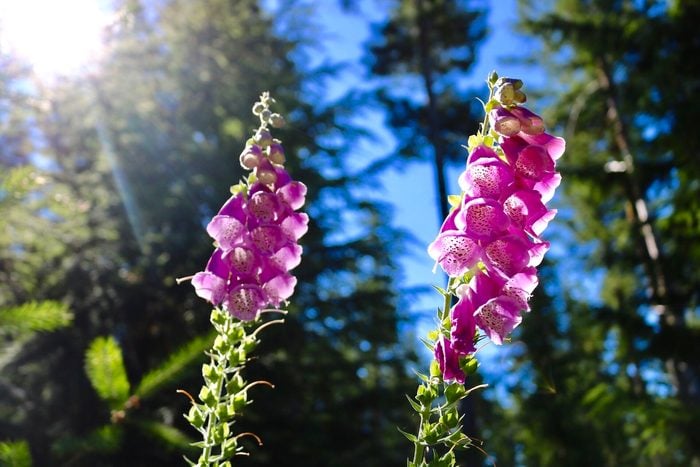
Foxglove
Digitalis purpurea, Zones 4 to 9
Bumblebees love to crawl inside the bell-shaped blossoms on the tall, slender stalks of foxglove. These plants are biennial perennials, meaning that they bloom in their second year and then die back. Luckily, they readily self-seed, providing a fresh batch of foxglove every year. Foxglove are toxic, and deer know not to nibble.
Why we love it: Foxglove stand tall at 3 to 4 feet, and they are incredibly eye-catching whether they’re given a starring role in a container or planted in the back of a border garden.
8
/
10
 Tobias Titz/Getty Images
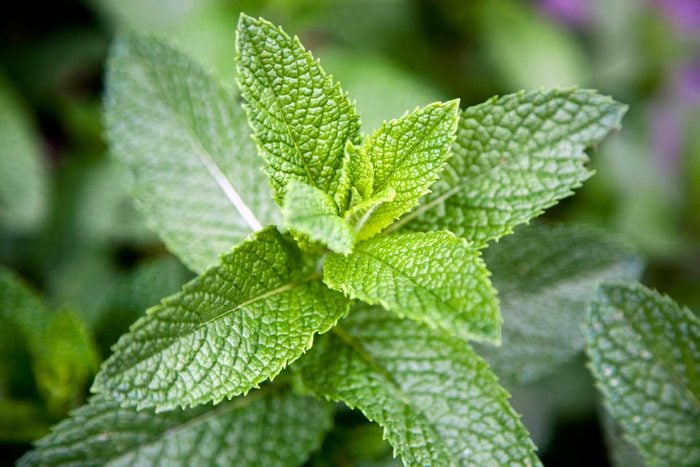
Mint
Mentha, Zones 3 to 9
This perennial herb can act as a garden twofer: mint has a strong smell that overwhelms deer’s senses and it’s a fantastic herb to have on hand for fresh salads, mojitos and more. Mint spreads vigorously, so many gardeners choose to grow the herb in containers to more easily keep it under control.
Why we love it: Mint comes in a range of varieties, so there are many different flavors to explore, from spearmint to chocolate mint.
9
/
10
 Courtesy Bob Morter
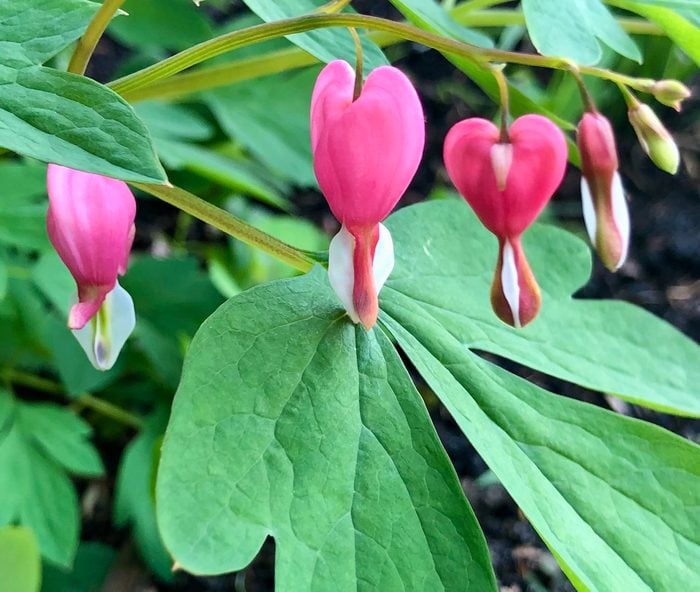
Bleeding Heart
Dicentra spp., Zones 3 to 9
A garden classic, bleeding heart works well in containers but really shines in hanging baskets thanks to is graceful cascade of blooms. This low-maintenance perennial does well in part-shade with well-draining soil. Deer stay away (bleeding heart is poisonous to consume), but aphids can be a pest.
Why we love it: Bleeding heart is a lovely cut flower and can survive about two weeks in a vase.
10
/
10
 bgwalker/Getty Images
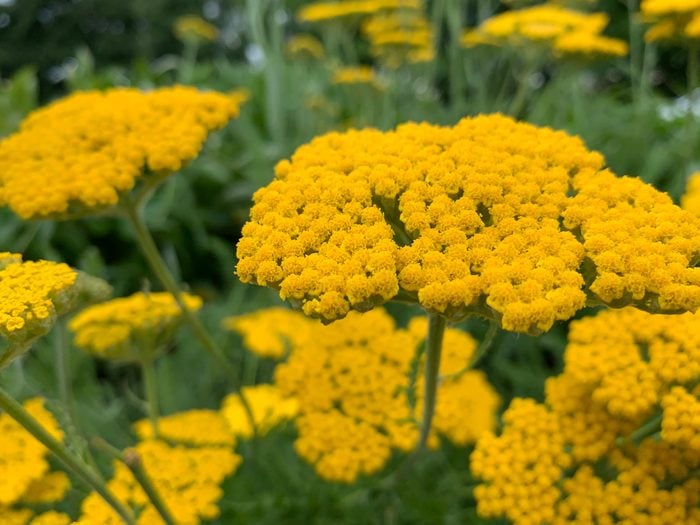
Yarrow
Achilles spp., Zones 3 to 9
This perennial is as tough and hardy as they come. Yarrow isn’t fussy about soil, is drought- and pest-resistant, can handle fluctuations in temperature — and it can withstand deer. Clusters of flowers bloom on sturdy, 2- to 3-foot tall stems, also making yarrow a charming cut flower.
Why we love it: Because of its low spreading growth habit, yarrow is a great choice for a ground cover.
Sources
Michigan State University Extension – “Smart gardening with deer: Deer-resistant bulbs to plant in fall”
Comments are closed.