
🇺🇸🇬🇧🇨🇦
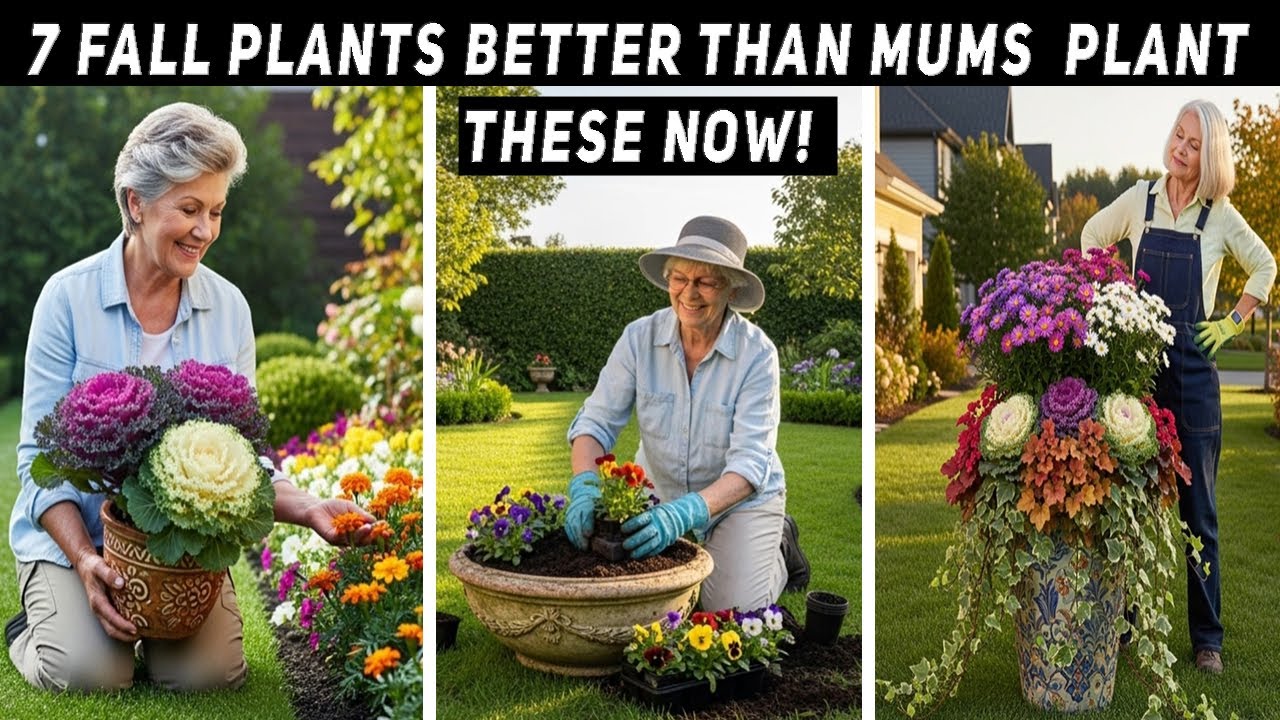
7 Stunning Fall Container Plants Better Than Mums – Try Them in Your Garden Today! 🍂🌸
Welcome back to SENIORS GARDENING ADVICE! 🌱 I’m Sam, and in today’s video, I’ll show you how to keep your fall containers vibrant, colorful, and thriving long after traditional mums have faded away. If you’re tired of spending money on mums that look sad and droopy by mid-October, this guide is for you. 👍
Instead of short-lived plants, I’ll share 9 must-have alternatives that thrive in autumn’s cool conditions, add rich texture, and keep your garden looking beautiful right through to the first frost—and beyond! 🍁✨
👉 Don’t forget to Subscribe and hit the 🔔 so you never miss our weekly gardening tips designed especially for seniors who want easier, smarter, and longer-lasting garden solutions.
🌿 Here’s What You’ll Discover in This Video:
🌸 The Problem with Traditional Mums – Why they fade too quickly and drain your gardening budget.
🌼 Plant #1: Pansies & Violas – Cold-hardy bloomers that thrive through frost.
🥬 Plant #2: Ornamental Kale & Cabbage – Bold textures with colors that get brighter in the cold.
🍂 Plant #3: Heuchera (Coral Bells) – Stunning foliage in shades of burgundy, lime, caramel, and bronze.
💜 Plant #4: Asters – Long-blooming pollinator magnets that outlast mums.
🌹 Plant #5: Sedum (Autumn Joy) – The color-changing marvel that evolves from pink to bronze.
🌸 Plant #6: Cyclamen – Elegant blooms and patterned foliage perfect for cool weather.
🌾 Plant #7: Ornamental Grasses – Add movement, height, and structure to your containers.
🌿 Plant #8: Japanese Painted Ferns – Silvery elegance that thrives in shady spots.
🍒 Plant #9: Winterberry Holly – Bright red berries that last into winter and attract birds.
💡 Bonus Tips Included:
✔ The ultimate container combination strategy for fall.
✔ Simple care tips for long-lasting success.
✔ Easy-to-follow design principles (thriller-filler-spiller).
✔ Smart seasonal transition ideas to keep containers looking great into winter.
Whether you’re gardening on your porch, balcony, or backyard, these mum alternatives will transform your containers into gorgeous displays that last far beyond Halloween. 🎃🍂
✨ Why This Matters for Seniors
These plants are low-maintenance, budget-friendly, and easy to grow—perfect for seniors who love gardening without all the hassle. They’ll help you enjoy color, texture, and life in your outdoor spaces without constant replanting. 🌱💚
📌 What to Do Next:
👍 Like this video if you found it helpful!
💬 Comment below: Which 3 plants are you most excited to try this fall?
🔔 Subscribe for weekly gardening advice made just for seniors.
📤 Share this video with a gardening friend who’s ready to outshine mums this season.
#FallContainerPlants #SeniorsGardeningAdvice #FallGardeningTips #ContainerGardening #MumAlternatives #SeniorGardeners #AutumnGardenIdeas
Welcome back to Senior’s Gardening Advice. I’m Sam and autumn containers don’t have to die after just two weeks. Most gardeners make the same costly mistake every single fall season and it’s draining their wallets while leaving their porches looking absolutely lifeless by mid-occtober. Right here on this channel, I’m going to reveal nine incredible plants that will keep your containers vibrant and beautiful long after your neighbors displays have turned brown and withered away. These aren’t difficult plants that require years of experience. They’re perfect for any gardener, whether you’ve been growing for decades or just picked up your first trial last week. Hit that subscribe button right now and ring the notification bell because the tips I share on senior’s gardening advice will transform how you approach seasonal gardening. We release fresh content every single week. And trust me, you won’t want to miss what’s coming next. The problem with traditional fall gardening. For countless seasons, I followed the exact same routine that most gardeners fall into. September would arrive and I’d head straight to the garden center, load up my cart with colorful mums, and feel satisfied that I was creating beautiful autumn displays. The reality was frustrating and expensive. Within 14 days, sometimes even less, those gorgeous blooms would start looking tired. The vibrant colors would fade, the petals would drop, and by Halloween, I was left with sad, droopy containers that made my front entrance look neglected instead of welcoming. Sound familiar? Drop a comment below and let me know. Have you experienced this same disappointment with traditional mums? I’d love to hear your stories. And more importantly, I want to help you avoid this common pitfall. The breakthrough came when I started researching alternatives. I discovered that several other plants not only survive autumn’s changing conditions, but actually thrive in them. These plants offer longerlasting beauty, require less maintenance, and provide much better value for your gardening budget. Plant number one, pansies and violas, the cold weather champions. Let’s begin with two of my absolute favorite cool seasoned performers, pansies and violas. These charming little flowers are genuine superstars when temperatures start dropping and they’ll completely change your perspective on fall container gardening. Unlike mums that struggle with temperature fluctuations, pansies and violas are built for cooler conditions. They don’t just tolerate frost, they bounce back from it stronger than ever. I’ve watched these remarkable plants survive multiple freeze thaw cycles and continue producing fresh blooms throughout the entire autumn season. The key to their success lies in their incredible adaptability. While other flowers shut down when faced with chilly nights, pansies and violas keep their energy focused on bloom production. You can plant them in early September and still enjoy their cheerful faces well into December in many regions. Care requirements are refreshingly simple. These plants appreciate full sun, but won’t complain about partial shade, especially during the hottest part of autumn days. Provide them with well- draining soil and maintain consistent moisture levels. Not soggy, just evenly moist. They’re much more forgiving than mums when it comes to watering schedules. Color combinations with pansies and violas offer endless creative possibilities. Try pairing deep purple violas with bright golden pansies in a single large container. This combination creates stunning visual impact that can be appreciated from across the street. For a softer, more romantic approach, blend pastel colored violas with pristine white pansies to achieve that coveted cottage garden aesthetic. Like this video if you’re excited to try pansies and violas in your containers this fall. Plant number two, ornamental kale and cabbage. Texture that intensifies. Moving beyond traditional flowering plants, ornamental kale and cabbage bring an entirely different dimension to autumn containers. These aren’t the vegetables you’d find in your dinner salad. They’re specially bred varieties designed purely for their stunning visual appeal. The remarkable thing about ornamental kale and cabbage is how they respond to dropping temperatures. Instead of fading away like most plants, their colors actually become more intense and vibrant as the weather gets colder. The purples deepen, the pinks become more saturated, and the whites appear more crisp and clean. This unique characteristic means your containers will look better in November than they did in September. While your neighbors are dealing with declining mum displays, your ornamental brassacas will be hitting their peak performance, creating showstoppping curb appeal throughout the late fall and early winter months. These plants are surprisingly hardy and lowmaintenance. They prefer full sun, but will tolerate partial shade conditions. Keep the soil consistently moist, but avoid overwatering, which can lead to root problems. A light frost won’t damage them. In fact, it often triggers even more intense coloration. For design impact, try placing a large ornamental cabbage in the center of your container and surrounding it with cascading plants like trailing ivy or sweet potato vine. This creates beautiful layered textures and visual depth. Alternatively, use ornamental kale in tall narrow planters where their bold rosette shapes can make dramatic architectural statements. Plant number three, huta or coral bells, the foliage powerhouse. Hutura, commonly known as coral bells, deserve serious consideration for anyone looking to create sophisticated autumn container displays. While most seasonal plants rely entirely on their flowers for visual appeal, coral bell spring incredible foliage colors that remain consistent throughout the growing season. The color palette available in modern hutura varieties is absolutely stunning. You can find selections in deep burgundy, lime green, caramel, bronze, silver, and even varieties with leaves so dark they appear almost black. These colors don’t fade when temperatures drop. They maintain their intensity and actually provide better contrast against autumn’s changing landscape. One of the biggest advantages of incorporating coral bells into your fall containers is their perennial nature. When the container season ends, you can transplant them into your garden beds where they’ll continue growing and returning year after year. This makes them an excellent long-term investment compared to annuals that get discarded at season’s end. Coral bells thrive in partial shade conditions, though many newer varieties can handle full sun in cooler climates. They prefer consistent moisture but don’t tolerate waterlogged soil. Once established, they’re remarkably lowmaintenance and don’t require constant attention to look their best. In container designs, use Futura as your foundation plant. Their steady, reliable foliage provides the perfect backdrop for seasonal flowering plants. Try placing burgundy coral bells in the center of your arrangement, surrounding them with bright pansies and finishing with trailing plants around the edges. The dark leaves make the flower colors appear more vibrant and create professionallook displays. Share this video with a fellow gardener who could benefit from these container ideas. Plant four, aers, the pollinator friendly bloomers. Aers often get confused with mums due to their similar daisyike flowers, but they deserve recognition as superior performers for autumn container gardening. These native wild flowers bring multiple benefits that extend far beyond simple visual appeal. The bloom period for aers extends much longer than traditional mums. While mums provide a quick burst of color followed by rapid decline, aers continue producing fresh flowers deep into the fall season, often blooming right up until the first hard frost terminates their growing season. Flower colors in a include lovely purples, blues, pinks, and whites, creating a more natural wildflower appearance compared to the sometimes artificial looking brightness of hybrid mums. This gives your containers a more relaxed, naturalistic aesthetic that blends beautifully with autumn’s changing landscape. Perhaps most importantly, aers are incredible pollinator magnets. Bees, butterflies, and other beneficial insects are drawn to their nectar-rich flowers, making your containers active contributors to local ecosystem health. While decorative mums sit passively looking pretty, aers actively support wildlife during a critical time when natural food sources are becoming scarce. Growing requirements for aers is straightforward and manageable. They perform best in full sun locations where they’ll produce the most abundant blooms. Ensure your containers have excellent drainage as a don’t tolerate waterlogged soil conditions. Deadheading spent flowers can encourage additional bloom cycles and extend their flowering period. In container arrangements, use aers as your thriller plant, the tall, eye-catching centerpiece that draws attention. Surround them with complimentary filler plants like coral bells or ornamental kale, and finish with trailing spillers around the container edges. This creates the classic thriller filler spiller formula that never fails to produce professionallook results. Plant number five, sedum. Autumn joy, the colorchanging marvel. Sedum varieties, particularly the appropriately named Autumn Joy, represent some of the most rewarding plants you can include in fall container displays. These succulent perennials offer a unique characteristic that set them apart from every other plant on this list. Their colors actually evolve and change throughout the entire growing season. The transformation begins in late summer when autumn joy sedum produces clusters of soft green flower buds. As autumn arrives, these buds gradually shift to pink tones. Throughout the fall months, the pink deepens into rich copper shades, eventually developing into beautiful bronze and burgundy hues. By the time other plants are fading, sedum is reaching its most spectacular coloration. This evolutionary color change means you’re essentially getting multiple plants in one. Your containers will look completely different in September, October, and November, providing constantly changing visual interest throughout the entire fall season. Sedum varieties are also incredibly drought tolerant, making them perfect for gardeners who travel frequently or those who prefer lowmaintenance container plantings. Unlike mums that sulk and decline when watering is inconsistent, sedum actually thrives with occasional neglect. Growing requirements are minimal and forgiving. Sedum loves full sun conditions. The more direct sunlight it receives, the better its performance will be. provide well- draining soil and avoid overwatering which can lead to root rot problems. Once established, you can practically forget about them and they’ll reward you with seasonlong beauty. For container design impact, sedum works beautifully as a statement plant in larger containers. Picture a ruskic whiskey barrel filled with autumn joy sedum surrounded by ornamental kale and finished with trailing ivy. The contrasting textures create incredible visual interest. For more contemporary settings, plant sedum in sleek modern containers and pair them with ornamental grasses for clean architectural appeal. Plant number six, cyclleman, the elegant surprise. Cycleman might surprise many gardeners because most people associate these plants with indoor holiday decorations. However, certain cclaman varieties are perfectly suited for outdoor cultivation during cool fall weather, and they bring an elegance to container displays that traditional seasonal plants simply cannot match. The flowers themselves are unique and captivating, delicate, upswept petals in shades of pink, red, and white that resemble tiny butterflies dancing above the foliage. This distinctive flower shape creates visual interest that stands out dramatically from the typical daisy formed flowers found in most autumn arrangements. Beyond the beautiful blooms, cyclleman foliage adds another layer of ornamental value. The heart-shaped leaves feature attractive marbled patterns in silver and green, providing visual interest even when the plants aren’t actively flowering. This dual appeal of both flowers and foliage makes cyclan excellent value in container plantings. Cold tolerance is another significant advantage of outdoor cyclan varieties. While mums begin declining when temperatures drop, cyclan often continue blooming throughout the chilly weeks, brightening porches and patios when most other flowering plants have given up for the season. Care requirements are specific but not difficult. Cyclan prefer partial shade locations and cooler weather conditions. Direct hot sunlight isn’t beneficial, but the gentle autumn light provides perfect growing conditions. Maintain lightly moist soil and avoid watering directly onto the plant crown, which can encourage rot problems. For design applications, cyclan shine in smaller containers that can be grouped together for impact. Consider clustering several terracotta pots filled with pink and white cyclon around larger centerpiece containers featuring sedum or ornamental kale. This layered approach creates sophisticated European courtyard aesthetics. Don’t forget to subscribe to Senior’s Gardening Advice and hit the notification bell so you never miss our weekly gardening tips. Plant number seven, ornamental grasses movement and structure. Ornamental grasses represent perhaps the most underutilized plants in fall container gardening. Yet, they offer benefits that no flowering plant can provide. While flowers deliver color, grasses contribute movement, texture, and architectural structure that elevates container displays from ordinary to extraordinary. The plumes and seed heads of ornamental grasses catch every breeze, creating constant motion that brings life and energy to static container arrangements. They also capture light in unique ways throughout the day, creating subtle color changes and highlighting that adds depth and dimension to your displays. Height and drama are other significant contributions of ornamental grasses. Varieties like fountain grass, purple millet, and feather reed grass provide vertical elements that serve as natural focal points in container arrangements. This height creates visual balance and prevents containers from appearing flat or one-dimensional. Seasonal longevity is another major advantage. While many flowering plants fade quickly as temperatures drop, ornamental grasses maintain their shape and texture throughout the fall season and often into winter. When frost and snow arrive, grass plumes become natural sculptures that provide winter interest long after other plants have disappeared. Maintenance requirements are minimal and straightforward. Ornamental grasses thrive in full sun locations with well- draining soil. Once planted, they essentially care for themselves, making them ideal for lowmaintenance gardening approaches. This handsoff characteristic makes them perfect for busy gardeners or those who prefer simple, reliable plantings. Design applications for ornamental grasses are versatile and forgiving. Use them as thriller plants in the classic thriller filler spiller container formula. Place tall grasses in the back or center of your arrangement. Surround them with colorful foliage plants like coral bells and finish with trailing plants around the edges. The contrast between soft flowing plumes and structured foliage creates instant visual appeal. Plant number eight, Japanese painted ferns. The silver elegance. Japanese painted ferns bring sophisticated elegance to fall containers that most gardeners never consider. These stunning perennials feature silvery gray fronds with deep purple stems, creating color combinations that complement Autumn’s natural palette perfectly. The silvery foliage provides excellent contrast against darker plants in mixed containers. When paired with deep burgundy coral bells or purple ornamental kale, the silver ferns create striking color echoes that appear professionally designed. This sophisticated color interplay elevates simple container arrangements into designer quality displays. Shade tolerance makes Japanese painted ferns valuable for locations where sun-loving plants struggle. Many fall containers are placed on covered porches or in areas that receive limited direct sunlight. While most autumn plants require full sun for best performance, painted ferns actually prefer partial to full shade conditions. Cold hardness is excellent in Japanese painted ferns. These plants continue looking attractive throughout the fall season and can tolerate light frosts without damage. When temperatures become consistently cold, the fronds naturally die back, but the plants return reliably each spring when transplanted to garden beds. Care requirements are simple and manageable. Provide consistently moist but well- draining soil and protect from harsh afternoon sun in warmer regions. These ferns appreciate organic matter in their potting mix and benefit from regular watering during dry periods. In container designs, use Japanese painted ferns as elegant filler plants. Their fine texture provides beautiful contrast against bold leafd plants like ornamental cabbage or broad-leaf coral bells. The silvery color bridges gaps between other colors in mixed plantings and creates sophisticated harmonious displays. Plant number nine, winter berry holly. The berry spectacular. Winter Berry Holly deserves the final spot on our list because it provides something completely different from all the other plants we’ve discussed. Brilliant red berries that persist throughout fall and into winter, creating longlasting color when most other plants have finished their seasonal display. The bright red berries develop in early fall and continue providing vibrant color through the entire autumn season. Unlike flowers that bloom and fade, these berries maintain their intensity and actually become more prominent as the leaves drop and temperatures decline. This extended color period makes winterberry holly excellent value in seasonal containers. Wildlife attraction is a significant bonus with winterberry holly. The berries provide important food sources for birds during late fall and winter months when natural food becomes scarce. York containers become active wildlife habitat, supporting local bird populations while providing beautiful seasonal displays. Container growing works well with compact winter berry varieties. Choose dwarf selections that remain manageable in large containers while still producing abundant berry displays. These plants work beautifully as centerpiece specimens surrounded by lower growing plants that won’t compete for attention. Growing requirements include full sun to partial shade and consistently moist acidic soil. Winterberry holly prefers regular watering and benefits from acidic potting mixes designed for acidloving plants. These shrubs are relatively lowmaintenance once established and adapt well to container cultivation. Design applications focus on using winterberry holly as a dramatic focal point. The bright red berries draw attention from considerable distances, making them excellent choices for entryway containers or displays that need to make strong visual statements. Pair them with silvery plants like Japanese painted ferns or deep green evergreens for classic holiday color combinations. Like this video if you’re planning to try any of these nine amazing plants in your fall containers. The ultimate container combination strategy. Now that we’ve explored all nine superior alternatives to traditional mums, let me share the ultimate container combination that will keep your displays looking fresh and vibrant from September through the first hard frost and beyond. Start with ornamental kale or cabbage as your central anchor plant. These provide bold structure and colors that actually intensify as temperatures drop. Their substantial size and striking appearance create strong focal points that anchor the entire arrangement. Add pansies or violas around the base of your kale for consistent bloom color throughout the season. These hearty flowers will continue producing fresh blooms long after mums would have faded, providing reliable color that bridges the gap between summer and winter displays. Finish the combination with trailing ivy or sweet potato vines spilling over the container edges. These spillers soften the arrangement’s edges and create that polished professional appearance that makes containers look expensive and welldesigned. The result is a container that provides color, texture, and visual interest throughout the entire fall season while requiring minimal maintenance. When the pansies eventually fade in late fall or early winter, you can easily replace them with small evergreens or holiday decorations to extend the container’s life into the winter holiday season. This strategy transforms a single planting into multiple seasons of beauty, providing excellent value and reducing the time and expense of constantly replanting containers throughout the changing seasons. Care tips for long lasting success. Regardless of which plants you choose from our list, certain care practices will ensure maximum performance and longevity from your fall container displays. Container selection impacts plant performance significantly. Choose containers with adequate drainage holes and sufficient volume for your plant selections. Larger containers retain moisture more consistently and provide better root space for developing plants. Soal quality makes a dramatic difference in plant health and appearance. Use high quality potting mix designed for container growing rather than garden soil which becomes compacted and poorly drained in containers. Adding slowrelease fertilizer at planting time provides steady nutrition throughout the growing season. Watering consistency prevents many common problems in fall containers. Check soil moisture regularly and water when the top inch becomes dry. Avoid both overwatering, which leads to root problems, and underwatering, which causes stress and premature decline. Positioning containers in locations with appropriate light conditions for your plant selections ensures optimal performance. Most fall plants prefer full sun to partial shade, but specific requirements vary among different species. Design principles for professional results. Creating container arrangements that look professionally designed involves understanding basic design principles and applying them consistently to your plantings. The thriller filler spiller formula provides a reliable framework for balanced, attractive containers. Choose one dramatic plant as your thriller centerpiece. Surround it with complimentary filler plants and finish with trailing spillers around the edges. Color coordination prevents containers from appearing chaotic or unplanned. Limit your color palette to three main colors and repeat those colors throughout your arrangement for cohesive, harmonious displays. Texture contrast adds visual interest and prevents arrangements from appearing flat or monotonous. Combine fine textured plants like grasses with bold leaf plants like ornamental kale for dynamic visual appeal. Scale relationships ensure all plants work together harmoniously. Avoid combining tiny plants with enormous ones in the same container as the size differences create awkward proportions that look unbalanced. Seasonal transition strategies allows you to maximize the lifespan and value of your container investments throughout the changing seasons. Late fall modifications can extend container life well beyond the typical autumn season. Replace fading annual flowers with small evergreens, winter berries, or holiday decorations to create displays that remain attractive through winter. Spring preparation involves removing spent annual plants and refreshing soil while preserving perennial elements that can continue growing. Plants like coral bells and ornamental grasses can transition from containers to garden beds where they’ll return year after year. Storage considerations for containers and tools ensure everything remains in good condition for future seasons. Clean containers thoroughly and store in protected locations to prevent weather damage during winter months. Planning ahead for next season’s containers allows you to order plants early, prepare containers in advance, and ensure you have everything needed when planting time arrives. These nine remarkable plans prove that autumn container gardening doesn’t have to end with disappointing short-lived displays that drain your budget and leave your entrances looking neglected by mid-occtober. Each plant we’ve discussed offers unique advantages that surpass traditional mums in durability, visual appeal, or seasonal longevity. From a cold, hearty blooms of pansies and violas to the evolving colors of sedum. From the elegant berries of winterberry holly to the architectural beauty of ornamental grasses, you now have options that will transform your approach to fall gardening. Remember, successful container gardening isn’t about following rigid rules. It’s about understanding your plant’s needs and creating combinations that reflect your personal style while providing reliable seasonal beauty. Before you go, please subscribe to Senor’s Gardening Advice and ring that notification bell. We publish new content every week to help you create beautiful gardens throughout every season. Share this video with friends who could benefit from these container ideas. And don’t forget to like this video if you found it helpful. I’d love to hear about your experiences with these plants. Drop a comment below and tell me which three plants you’re most excited to try in your fall containers this year. Your feedback helps me create content that truly serves your gardening needs. Thanks for watching Senior’s Gardening Advice and I’ll see you in the next video where we’ll explore even more ways to keep your garden beautiful throughout the changing seasons. Until then, keep planting and keep growing.
9 Comments
Thank you 😊
Your videos always seem to be timed for my success! I have a few sedum plants to be delivered and two Japanese Painted Ferns already potted. You've given me some really good ideas for companion planting. Thanks…
From where can I mail order these plants?
The plants are 1.pansies and villas, 2. ornamental kale and cabbage, 3. coral bells ((heuchera a perennial), 4. asters,
5. sedum autumn joy variety, 6. cyclamen, 7. ornamental grasses, 8. Japanese painted ferns
Thanks for this, I dislike mums so much, it’s nice to hear about other alternatives
Fall 2024 was my last time with mums. They are too wishy washy.
I'm totally sticking with hardy perennials and a few annuals.
Thank you for your channel
Great video! Really helps how to use various plants for beautiful architectural combinations.
Beautiful and great to know. Thank you for these beauties, loves gardening.
I planted a mum in my garden and not in a pot and it still full of huge gorgeous white big flowers and beautiful. Now I don't know if I should cut the flowers and put them inside in a vase or transplant it back in a bigger pot and bring it inside. First time I planted in the ground, normally left them in pots.
Then put them in the shed and take them out in spring.
I loved this video, but why all the silver head older white women. I’m a black man that loves working in my garden with these plants. 😂