
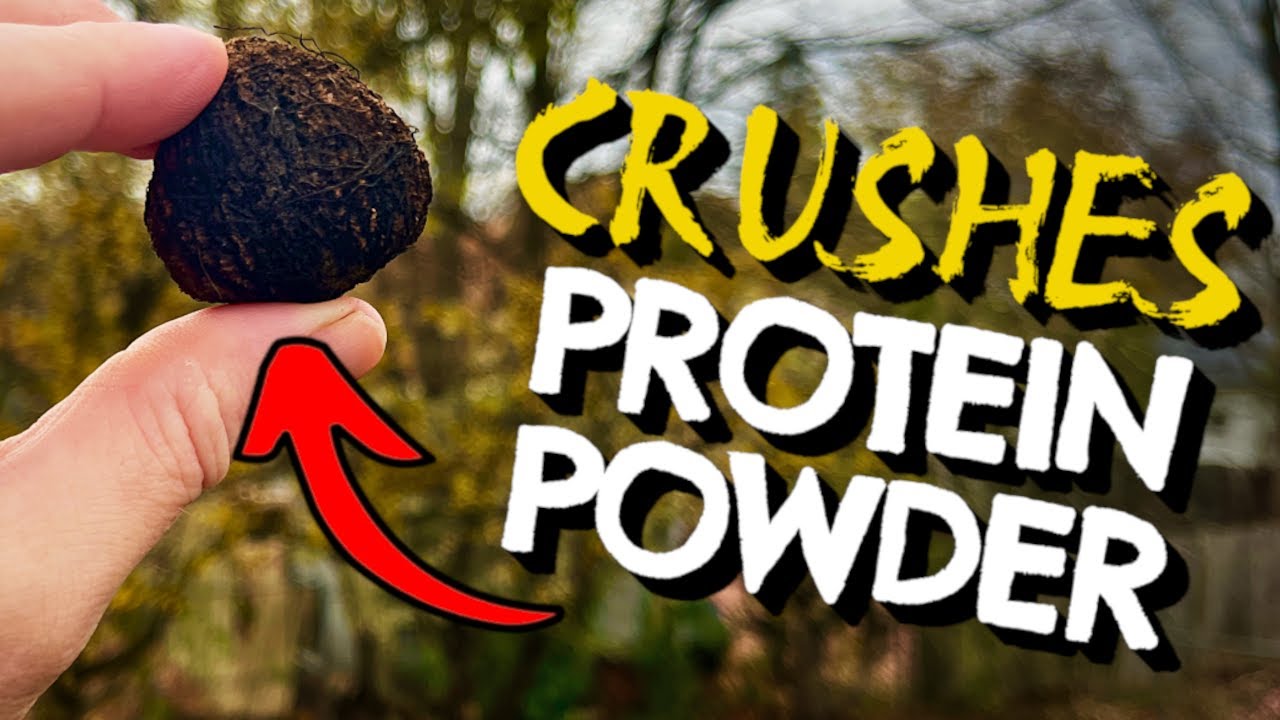
Discover 7 wild seeds and nuts that put store-bought protein powders to shame! If you’re interested in foraging, wild edibles, and natural, nutrient-dense foods, this video is your ultimate guide to harvesting protein straight from the forest floor.
We explore Black Walnuts, Acorns, Hickory Nuts, Dock Seeds, Pine Nuts, Beech Nuts, and Black-Eyed Susan Seeds, uncovering their nutritional benefits, abundance in the wild, and versatile culinary uses. Learn how Indigenous peoples and early settlers relied on these seasonal treasures, and how you can incorporate them into your wild food pantry for the cold months.
In this video, you’ll discover:
🌰 How these wild nuts and seeds are packed with protein, healthy fats, and minerals
🍂 Tips for harvesting, preparing, and storing them
💪 The difference between natural whole foods and processed protein powders like whey
🥣 How to turn nature’s bounty into delicious meals, porridges, flours, and snacks
Whether you’re a forager, a gardening enthusiast, or someone looking to eat healthy, seasonal, and sustainable foods, this video will inspire you to reconnect with the wild foods growing around you.
Plants featured in this video:
🌳 Black Walnut (Juglans nigra)
🌿 Acorns (Quercus spp. and friends)
🥜 Hickory Nuts (Carya spp.)
🌾 Dock Seeds (Rumex spp.)
🌲 Pine Nuts (Pinus spp.)
🌰 Beech Nuts (Fagus grandifolia)
🌻 Wild Sunflower Seeds (Helianthus annuus)
Eat the wild and stay nourished—no plastic tubs required.
My Socials:
🌿 Substack: edibleamerica.substack.com
🌿 Ko-fi: ko-fi.com/edibleamerica
🌿 Bluesky: bsky.app/profile/edibleamerica.bsky.social
🌿 TikTok: tiktok.com/@edibleamerica
⚠️ Disclaimer: The content provided on Edible America is for informational and educational purposes only. Always positively identify any wild plant before consuming it, as some edible plants have toxic lookalikes. When in doubt, consult a local expert or reliable field guide.
The host(s) of this channel are not responsible for any adverse effects or consequences resulting from the use or misuse of the information presented. Foraging laws and regulations vary by location—please forage responsibly, ethically, and legally.
#Foraging #WildFood #WildEdibles #NaturalProtein #VeganProtein #PlantBasedProtein #VegetarianProtein #ProteinPowderAlternative #CrushWhey #BlackWalnuts #Acorns #HickoryNuts #DockSeeds #PineNuts #BeechNuts #WildSunflowerSeeds #AutumnForaging #WildPantry #SustainableEating #EatTheWeeds
So, you were told you need to eat more protein.
You want to stay strong, keep your energy up, and feel good for years to come.
And then they try to sell you a plastic tub of chalky powder that costs more
than a week’s worth of dinner. It feels like the system is built to make healthy
eating hard, expensive, and artificial. Before there were powders, tubs, and
influencer smoothies — there were trees, grasses, and wild plants dropping everything
your body needs right onto the ground. Because protein doesn’t come from a
factory. It isn’t something sold in a tub — it’s something nature
gives us, free and abundant. Every autumn, when the air turns crisp
and the trees begin to let go, the forest floor becomes nature’s own protein aisle —
overflowing with nuts, seeds, and wild grains. The same “mess” that clutters the
ground — the acorns, the walnuts, the hickory shells, the pine cones —
can give you the strength, the protein, to make it through the cold months. Today, we’re gathering seven wild
seeds and nuts that put chalky, store-bought protein powders to shame.
No shaker bottle required. And if you long for a time when getting
groceries didn’t involve a credit card, I hope you’ll subscribe to the channel. These are black walnuts I
have drying in my basement. If you’re used to the mild, buttery
taste of the walnuts you find in grocery stores — usually English walnuts — black walnuts
are a whole different experience. They’re darker, earthier, and more complex, with a
rich, slightly sweet-but-bitter flavor. And they pack a punch nutritionally, too — about
7 grams of protein per ounce, plus omega-3 fatty acids, magnesium, and manganese. A handful of
these in a salad, porridge, or roasted with other seeds can give you the kind of nutrition
a lot of people reach for powders to get. Cracking them takes patience — those shells
are seriously tough — but the payoff is worth it. Indigenous peoples across the eastern
United States, from Michigan to Florida, relied on black walnuts for centuries, not
just for nutrition but as a seasonal marker: when the nuts dropped, winter
was coming, and they were ready. You can eat them raw if you like,
roast them to deepen the flavor, or grind them into a nutty flour for baking.
Plus — getting to the nut is a workout in itself. When most people think of acorns, they imagine
a single type of oak dropping nuts once a year. But the reality is far more abundant and
fascinating. There are dozens of species producing acorns, from the familiar red
and white oaks to less obvious trees that aren’t “true” oaks but produce similar,
edible nuts. Each has its own flavor, size, and texture — some sweet, some rich and earthy
— all packed with protein and healthy fats. Acorns are everywhere in autumn, from the live
oaks that line the streets of Mobile, Alabama, to the Oregon white oaks of the Pacific Northwest.
Walk through a forest or a neighborhood lined with trees, and the ground is literally littered
with protein. Collect enough — which is easy, because they drop a lot — and you’ve got a harvest
that can sustain you through the colder months. Acorns are more than just calories.
They’re a rich source of protein, healthy fats, and complex carbohydrates.
They also contain magnesium, potassium, and small amounts of calcium and iron,
making them a well-rounded wild food. That abundance and nutrition is why acorns were
a staple for almost all Indigenous peoples across North America, who knew which species were best
for eating raw, roasting, or grinding into flour. Preparation does take a little patience. Most
acorns contain tannins — bitter compounds that can upset your stomach — but with leaching
in water, that bitterness disappears, leaving behind a mild, slightly sweet, nutty
flavor. Once prepared, acorns can be eaten raw, roasted, or ground into flour for
bread, porridge, or even pancakes. With so many species and so much abundance, it’s easy to see why these small nuts were such
an essential source of protein for centuries. There are more than 15 species of
hickory trees across North America, each producing nuts with slightly different
flavors and textures. Some are sweet and buttery, others rich and earthy, but all are packed
with protein, healthy fats, and minerals. Hickory nuts are abundant in
the fall. Walk through a forest, or even along roadsides in hickory country,
and you’ll see the ground littered with these nutrient-dense nuts. Collect enough, and
you’ve got a wild harvest that can sustain you through the cold months — a natural
pantry provided by the trees themselves. Nutritionally, hickory nuts are a powerhouse.
They contain roughly 4 to 5 grams of protein per ounce, heart-healthy fats, and minerals like
magnesium, potassium, and manganese. They also provide complex carbohydrates, making them
an excellent source of sustained energy. Indigenous peoples across North America relied
on hickory nuts for centuries, often roasting, boiling, or grinding them into flour for
breads and porridges. The flavor is rich and buttery, making them a natural addition
to desserts, cereals, and savory dishes alike. Getting to the nut can take a little effort —
the shells are tough — but it’s worth it. Once cracked, hickory nuts can be eaten raw, roasted
to deepen their flavor, or ground into flour. Most people reaching for a protein boost
think of whey — the most prominent form of protein powder. Whey comes from
milk, and it’s marketed as a fast, complete protein for building muscle and
staying strong. On paper, it sounds perfect. But for many people, it’s not the best choice.
Whey can be hard to digest, especially if you’re lactose intolerant or sensitive to dairy. It
can spike insulin, contribute to bloating, and even trigger inflammation, like
arthritis, in some people. Plus, it’s highly processed — stripped from milk, concentrated,
flavored, and often loaded with additives. Compare that to whole foods — nuts, seeds,
and legumes — and the difference is clear. Real foods give you protein along with
fiber, healthy fats, vitamins, minerals, and all those phytonutrients that a
plastic tub of powder can’t provide. You thought this video was going to be completely nuts… but nature has even more
protein-packed surprises for us. Dock seeds, from plants like curly dock
and broadleaf dock, are small, unassuming, and everywhere in the wild. Most people walk
past them without a second glance, but these little seeds are nutritional powerhouses. They
contain protein, fiber, and essential minerals like magnesium, calcium, and iron, making
them a fantastic addition to your wild pantry. Collecting dock seeds is easy in late summer
and fall, when the seed heads turn brown and start to release their tiny treasures. You
can sprinkle them raw into cereals or salads, lightly toast them to bring out a nutty
flavor, or grind them into a flour to add protein and texture to baked
goods or smoothies, if you must. Next up, pine nuts — the tiny
treasures tucked inside pine cones. Most people only think of them
in pesto or gourmet cooking, but in the wild, they’re abundant,
nutritious, and incredibly versatile. They’re called nuts, but technically, they’re
seeds — the edible part inside the pine cone. There are dozens of pine species across
North America producing edible seeds, from the familiar Eastern white pine to the
Southwestern pinyon pines. Each species has its own flavor — some rich and buttery, others
slightly sweet or resinous — but all are packed with protein, healthy fats, magnesium,
zinc, and vitamin E. A small handful goes a long way toward giving your body a protein
boost and sustaining energy through the day. Harvesting pine nuts is easier than most people
think. Once the cones mature and start to open, the seeds can be collected directly from the
trees or gathered from the ground beneath. With so many species and widespread trees, there’s
no shortage of these little protein powerhouses. Once collected, pine nuts can be eaten raw,
lightly toasted to deepen their flavor, or ground into a nutty meal for
baked goods, sauces, or porridge. They’re another example of how wild
seeds deliver protein, healthy fats, and minerals in a form nature intended —
abundant, nutrient-dense, and completely free. It’s wild to think that over half of Americans
rely on credit cards just to put groceries on the table. Even more concerning, nearly one
in four adults carry debt—balancing or missing payments—just to cover rising food costs.
It’s a shame we’ve been taught to overlook the free abundance around us, when so much
wholesome nutrition is literally underfoot. Next, let’s get back to a true nut —
beech nuts from American beech trees. Beech nuts are small, triangular, and
packed inside prickly husks that fall in autumn. They might be tiny, but don’t
let that fool you. They’re rich in protein, healthy fats, and minerals like magnesium,
manganese, and potassium. A handful of these little nuts is a solid, energy-dense
snack straight from the forest floor. American beech trees are widespread across
the eastern United States and Canada, producing abundant crops most years. Walk beneath
a mature beech tree in fall, and you’ll see the ground littered with these tiny treasures — a
natural protein pantry waiting to be gathered. Indigenous peoples and early settlers alike
valued beech nuts. They were eaten raw, roasted to bring out a richer flavor, or ground into a
meal for breads, porridges, and other dishes. The nuts have a slightly sweet, earthy flavor that
pairs beautifully with other wild nuts and seeds. Cracking the husks takes a little
effort, but the payoff is worth it. Finally, let’s talk about one of the most abundant
and easy-to-harvest wild seeds — the seeds of true wild sunflowers. These are the wild relatives
of the cultivated sunflower, and their large, nutrient-dense seeds are packed with protein,
healthy fats, magnesium, zinc, and vitamin E. Wild sunflowers grow prolifically in meadows, roadsides, and open fields across North
America. By late summer and early fall, their heavy seed heads are ready to harvest.
A simple shake or careful hand-stripping is all it takes to collect a bounty — enough to
store and enjoy throughout the colder months. Once gathered, wild sunflower
seeds can be eaten raw, roasted to deepen their flavor,
or added to porridge, salads, or baked goods. They’re a perfect example
of how wild seeds provide a natural, abundant, and nutrient-rich protein source — no
processing, no additives, just nature’s bounty. You might notice Black-Eyed Susans nearby.
Their seeds are smaller, but also edible and related to the sunflower family, making
them a fun bonus for any wild seed pantry. The beauty of all these wild seeds and nuts is
that they can be stored and enjoyed throughout the cold months. Black walnuts, acorns,
hickory nuts, dock seeds, pine nuts, beech nuts, Black-Eyed Susan seeds, and even
smaller treasures like lambsquarters seeds all keep well when dried or roasted, giving
you a pantry straight from the forest. Other wild seeds like amaranth, sunflower,
and even plantain seeds can also be gathered in abundance and stored for winter use.
Each brings its own flavor, texture, and nutritional punch — protein,
healthy fats, fiber, vitamins, and minerals — ready to sustain
you when fresh produce is scarce. No freezer, plastic tub, or subscription service
is needed. Just nature’s bounty, abundant, free, and waiting for you to gather. That feeling of
security—knowing you’ve nourished yourself and your loved ones with food you gathered, not food
you had to go into debt for—that’s the true win. If you enjoyed discovering these wild sources
of protein and nutrition, consider sharing this knowledge with your community.
Teach a friend to forage, swap seeds with a neighbor, or gather together to
celebrate the abundance all around us. Food doesn’t have to come from a
factory — and neither does nutrition. Sometimes, the best pantry is growing
free, right outside your door. Curious which wild foods
can outdo milk for calcium? Tap that video right there on the left. If you liked this one, share
it with a friend — every share helps someone learn to eat just a little better. Don’t forget to subscribe, and drop
a like if you found this helpful. And as always — eat the weeds.
8 Comments
Wanna know which Wild Edible Greens have more calcium than milk> Check this out ==> https://youtu.be/Td9OXj2n-Aw
Great video. Where in the pinecone can you find the pine nuts? I have carefully taken mature pinecones apart in spring, summer, fall, and have never been able to find them. Pignolis are great in pesto, cookies, and stir fries.
You are 100% correct about the difficulty in processing black walnuts. Amish and Mennonite girls around here are paid very good money to hull and shell them.
I started collecting big, beautiful acorns this year from my oak tree and am going to call the local, OSU arboretum to see if they allow foraging of their trees. 😊 Thank you for another awesome video, kind sir.
When I was homesteading in NYS, students from Alfred university would come and camp in the woods and I'd teach them survival skills. Some would bring bags of fruits and vegetables. Treasure for sure. My favorite was a young couple who would bring me big bags of beech nuts, every fall. Winter was always better with beechnuts.💚
I’m feeling kinda sad. I don’t know why I don’t want to eat the acorns from the tree growing next to me in the trailer park, maybe it’s from where when I had chestnut trees in my yard, the nuts contained little white worms, and also blue jays supposedly eat acorns, so I looked on google to see if there were any nut trees small enough to grow in pots. Macadamia and a few others are small enough to grow in pots indoors but it’s not showing acorns. I know you can grind chia and flax seeds into flour but I don’t know if they do well in pots, how many plants would I need to make maybe 5 pounds worth of flour, and such information. Also, I imagine in large older cities like New York, it’s probably difficult to find nut trees that you don’t have to share with everybody else.
Collecting pine nuts was as big a thing as the deer hunt when I was a kid.
After taking them out of the shell I would put acorns into a pillowcase, tie it off, and submurge it in a stream with a rock overnight to leach out the tanin.
ANY new foods should be carefully tested as if potentially allergic to, every-body is different.
Avoid plants and trees in areas that may have been sprayed with things like ddt and roundup.
Liked, and just now subscribed.
Thank you!
I'm all for forage foods and native crops, but there isn't as much protein in any of these plants as there is in meat, protein powder, milk, fish, or most cheeses.
You will get more protein as a percentage of calories from whole foods than most processed foods, but not as much as processed protein, fish, or meat.