
#japanesegarden #courtyarddesign #smallgardenideas #gardendesign
Small Space? Transform It into a Stunning Japanese Courtyard (Tsubo Niwa Style)
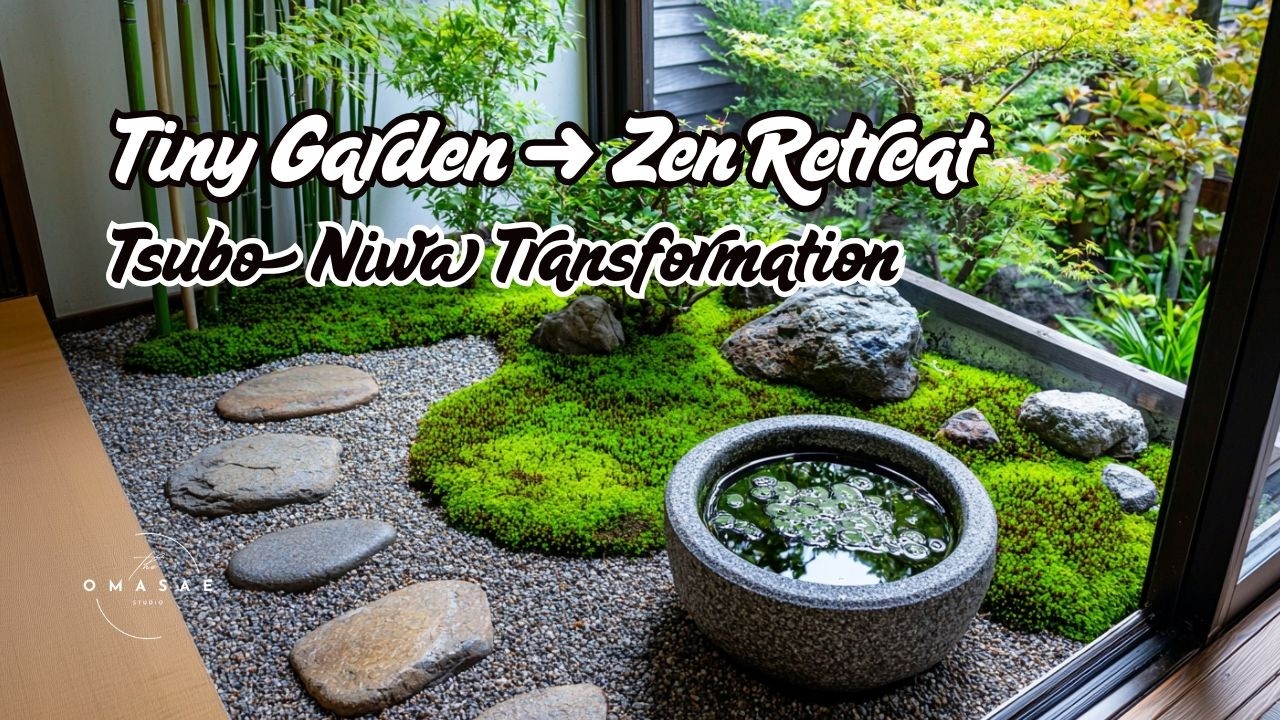
Transform even the tiniest space into a serene escape 🌿✨. In this video, we explore how **Tsubo Niwa**, the traditional Japanese courtyard garden, brings harmony and elegance to compact outdoor areas. With every stone placed and every leaf chosen, this design philosophy turns simplicity into an art form. From the quiet crunch of gravel paths to the calming ripple of a small water basin, every element plays a role in creating a peaceful, meditative atmosphere.
You’ll see how natural materials like moss, bamboo, and aged stone blend beautifully with minimalist layouts to shape a tranquil retreat 🌸🪨. We’ll also showcase clever design techniques that maximize space without sacrificing style—whether it’s a carefully placed lantern, stepping stones that guide the eye, or greenery that softens modern lines. This video is your inspiration board for creating a small yet sophisticated garden that invites reflection, relaxation, and refined beauty.
00:00 🌿 Welcome to Omasae: Your Small Space Could Be a Paradise
06:42 🏯 A Glimpse into History: The Origins of Tsubo Niwa
09:02 🎍 The Essence of Tranquility: What Makes Tsubo Niwa Unique
11:12 🌸 Building Calm in Tight Quarters: The Power of Design
13:32 🌿 Materials and Plants: Choosing with Intention
16:12 🏙️ The Urban Advantage: Why Tsubo Niwa Works in Cities
18:52 🌱 Bringing It to Life: Your First Tsubo Niwa
21:02 🌸 Your Zen Garden Awaits
🎨 Watch now and find out How to Transform Small Space into a Stunning Japanese Courtyard (Tsubo Niwa Style)
💬 Which one is your favourite? Let me know in the comments! Don’t forget to like, subscribe, and turn on notifications so you never miss a new inspiration.
📌 Watch more Omasae video
2025 Small Garden Ideas: How to Maximize Your Space with Beautiful Zen Garden
How to Turn Any Tiny Backyard into a Peaceful Japanese Garden Paradise
#smallgarden #smallbackyard #zengarden #tsuboniwa #japanesegarden #wabisabi #minimalistgarden #urbangardening #smallspacegardening #gardendesign #tranquilgarden #outdoorgarden #gardeninspiration #gardeningtips #peacefulgarden #meditativegarden #tinygarden #zenstylegarden #natureinspired #naturalgardening #calminggarden #gardenart #greenthumb #compactgarden #gardenretreat
[Applause] Welcome to OMI. [Applause] [Music] If you’ve ever looked at your small outdoor space and wondered how to make it more peaceful, beautiful, and uniquely yours, you’re in the right place. Today, we’re introducing you to an ancient Japanese concept that could completely transform the way you see your tiny garden or courtyard. Whether you have a compact balcony, a narrow sideyard, or even just a patch of ground by your window, there’s incredible potential waiting to be uncovered. [Music] It’s all possible with the timeless and poetic art of Tsubo Niwa. A style of Japanese courtyard garden that turns limited space into a serene retreat. Suboniawa is proof that you don’t need a sprawling yard to enjoy the calming presence of nature. Instead, it’s about crafting an intentional, harmonious garden using just a few square meters. [Music] In this video, we’ll guide you through the origins of Tsubo Niwa, the values it embodies, and practical design tips for building your own. You’ll discover how carefully placed stones, plants, and water features can bring stillness and beauty to even the smallest urban corner. So, if you’re dreaming of an outdoor space that feels like a quiet sanctuary in the middle of a busy world, make sure to watch till the end and don’t forget to like this video, subscribe to OMI, and share your dream garden ideas with us in the comments below. Now let’s step into the tranquil world of Tsubo Niwa. [Music] [Music] Heat. Heat. [Music] Heat. Heat. [Music] [Music] The art of tsubon niwa has deep roots in Japan’s cultural and architectural history. It dates back to the Han period around the 8th to 12th century when small courtyard gardens were nestled within the palaces of aristocrats. These inner gardens were private sanctuaries meant to offer moments of peace and reflection. As the centuries passed, particularly during the Edeto period, Sububoni evolved into a more accessible concept embraced by towns people. While once reserved for the elite, miniature gardens became a popular way for urban dwellers to infuse their compact homes with nature and tranquility. The term subo refers to a traditional unit of measurement, roughly equivalent to 3.3 m. It’s fascinating how this tiny footprint became the canvas for a century’s old design [Music] tradition. Subonia were not just decorative. They served vital functions, bringing light and ventilation into densely packed buildings while also offering an emotional refuge from the noise of city life. As Japanese towns grew and architectural spaces became tighter, Sububo Niwa remained a cherished element in homes, tea houses, and even ins, each garden uniquely tailored to its surroundings. This historical perspective is essential because it shows how design can adapt to limitations without losing meaning or beauty. The charm of tsubo niwa lies in its ability to work within constraints. A lesson especially relevant for today’s urban living. When we create a tsubo niwa in a modern space, we’re participating in a long tradition of finding calm through simplicity. That’s what makes these small gardens so powerful. They’re timeless, adaptable, and deeply human. [Music] What sets Tubo Ni were apart from other garden styles is its pure commitment to intentionality and serenity. Every element, no matter how small, is chosen with care and placed with purpose. It’s not about packing in as many plants as possible or creating a lush jungle. It’s about subtlety, balance, and quiet [Music] beauty. The Japanese aesthetic values that shaped Sububoniwa include wabishabi, the appreciation of imperfection and impermanence, and ma, the concept of negative space that creates room for stillness and breath. You might see a single stone lantern partially covered in moss quietly casting shadows across a gravel bed or a small water basin inviting ritual and reflection with its gentle [Music] presence. The beauty of tubu niwa is often in what is left unsaid. The simplicity allows the mind to wander and the soul to rest. Plantings are minimal but deliberate. Perhaps a delicate fern, a slender bamboo, or a single chameleia bloom that reminds you of the passing seasons. This style also plays with perspective. Through smart layering of textures, contrast, and elevation, a tubona can appear much larger than it really is. Shadows from plants interact with gravel and stone while light shifts throughout the day to create a living composition. The garden becomes a kind of outdoor painting. Always changing, always quiet. If you’ve ever felt overwhelmed by clutter or excess, this approach offers a refreshing alternative. It’s not just a garden, it’s a mindset, one that encourages stillness, clarity, and harmony with the natural world right outside your window. Designing at Sububo Niwa requires a mindset shift. You’re not trying to fill space. You’re trying to reveal beauty through restraint. Start by choosing a location where the garden can be viewed often, like from a living room, hallway, or bedroom window. The visibility of the garden is just as important as the garden itself. After all, a tubo niwa is meant to be enjoyed throughout the day, a calming backdrop to daily life. Once you’ve chosen your space, define its theme. Will it be more traditional, resembling a tea garden with rustic stepping stones and bamboo fencing? Or will it lean more modern with clean lines and minimal materials? Both approaches honor the core values of Japanese garden design. The key is to choose elements that speak to you and your space. Use textures like gravel, stone, wood, and moss to build a tactile palette. These surfaces help ground the garden and give it a timeless quality. [Music] Lighting is also essential in traditional Japanese architecture. Suboniawa are designed to reflect natural light indoors. You can play with dappled sunlight, shadows from plants, or even soft lanterns for evening ambience. The goal is to create a space that feels alive yet peaceful. Unlike large gardens that may overwhelm, Atsubo Niwa embraces modesty. Its strength lies in its quiet, contemplative nature, a daily reminder that even small places can carry immense meaning and beauty. [Music] In its sububu niwa, materials are not just chosen for how they look. They’re chosen for how they make you feel. Start with the foundational elements. Stone creates structure and presence. Whether it’s flat stepping stones, upright marker stones, or its sukubai water basin, gravel adds texture and movement, especially when raked in [Music] patterns. Wood or bamboo fencing provides a gentle natural backdrop that gives the garden intimacy. Every material contributes to the narrative of peace and reflection. As for plants, restraint is essential. Rather than a crowded mix, opt for a few thoughtful selections. Moss, ferns, dwarf pines, or bamboo offer evergreen structure. Seasonal interest can come from chamellas in winter or irises in spring. [Music] The small scale invites you to appreciate each leaf, each texture, and each shift of light. A well-placed bonsai can add drama and symbolism, emphasizing age and resilience in miniature form. You can also infuse personality through unexpected sustainable choices. Use repurposed stone, weathered wood, or vintage ceramic bowls as planters. These give your tsubo niwa a sense of character while keeping with the spirit of wabishabi finding beauty in imperfection. Ultimately, there’s no one right way to build your materials pallet, but the goal is always the same. To create a space that feels like a deep breath in the middle of a chaotic day. [Music] [Music] As our cities grow denser and outdoor space becomes a rare commodity, the philosophy of Tsubo Oniawa becomes increasingly relevant. Rather than wishing for more space, it teaches us to maximize what we already have. A sliver of a patio, a forgotten side alley, or even a narrow balcony can become a meaningful green sanctuary. [Music] The beauty of this design style lies in how adaptable it is. It doesn’t require a huge plot, just thoughtful placement and a willingness to slow down. Urban living often disconnects us from nature. Subonia bridges that gap by restoring small moments of natural beauty into our daily lives. When you open your window to the sight of a peaceful stone lantern nestled among moss and shadows, something in your body relaxes. You feel calmer, more connected. That’s the gift of tsub niwa. It’s not just about what it looks like, but how it makes you feel. [Music] Many people think of city gardens as loud, overgrown, or chaotic, but Sububo Niwa proves the opposite. It offers a refined, quiet alternative that honors Japanese traditions while meeting the needs of modern urban dwellers. It’s minimalist yet expressive, functional yet spiritual. Whether you live in a high-rise apartment or a narrow rowhouse, this garden style offers a refreshing solution to the modern need for serenity in small spaces. [Music] Ready to build your own tsubon niwa? The process doesn’t need to be complicated, but it does require intention. Start by observing your space. Where does the sunlight fall? What views do you want to enhance? Next, choose your focal points. Maybe a small water feature, a sculptural plant, or a unique stone. These elements will serve as the anchors of your design. Then layer in texture and contrast. Mix soft greenery with hard surfaces. Use asymmetry to create natural flow. Leave space. Not every inch needs to be filled. In fact, the negative space in Zubo niwa is what gives it such depth and meditative quality. Avoid overcrowding your design. Let each piece breathe and speak for [Music] itself. Maintenance is part of the journey. Water your plants. Rake the gravel. Clean the water basin. These small rituals enhance your connection to the space. As seasons change, feel free to rotate plants or swap in seasonal accessories. Over time, your tsubon niwa becomes more than a garden. It becomes a personal sanctuary, a meditation tool, and a living piece of art that grows with you. It’s a reminder that serenity doesn’t require space, only presence and care. [Music] [Music] Heat. Heat. [Music] [Music] Heat. Heat. [Music] Thank you for joining us on this journey into the quiet beauty of Tsubo Niwa. We hope this exploration has inspired you to see your small garden space not as a limitation but as an opportunity, a blank canvas for peace, beauty, and reflection. In just a few square meters, you can create something that nourishes the soul, calms the mind, and connects you to a timeless [Music] tradition. If you found inspiration in this video, please consider giving it a thumbs up, subscribing to OMI, and turning on the bell for more ideas like this. We’d also love to hear from you. What kind of space do you want to transform? Leave a comment below and share your ideas, questions, or photos. Your input helps build a community of thoughtful design lovers and mindful living enthusiasts. [Music] At OMI, we believe that the most beautiful spaces are not always the largest. They’re the ones created with heart, care, and intention. And nowhere is that more true than in itsubony niwa. Until next time, may your garden, no matter how small, be a place of calm, beauty, and balance. [Music]
5 Comments
Bagus tamannya
Beautiful
🤩 ❤️❤️❤️ 😮😍🥹 Satisfying view, calming, peaceful. Thanks so much. 🌳 😊
Repeat images of the same shit. Could be half the duration if the images are shown just once.👎
I want to start imminently .It is so beautiful and calming an invitation to step into the world of quiet reflection and calm. I love it. ❤