
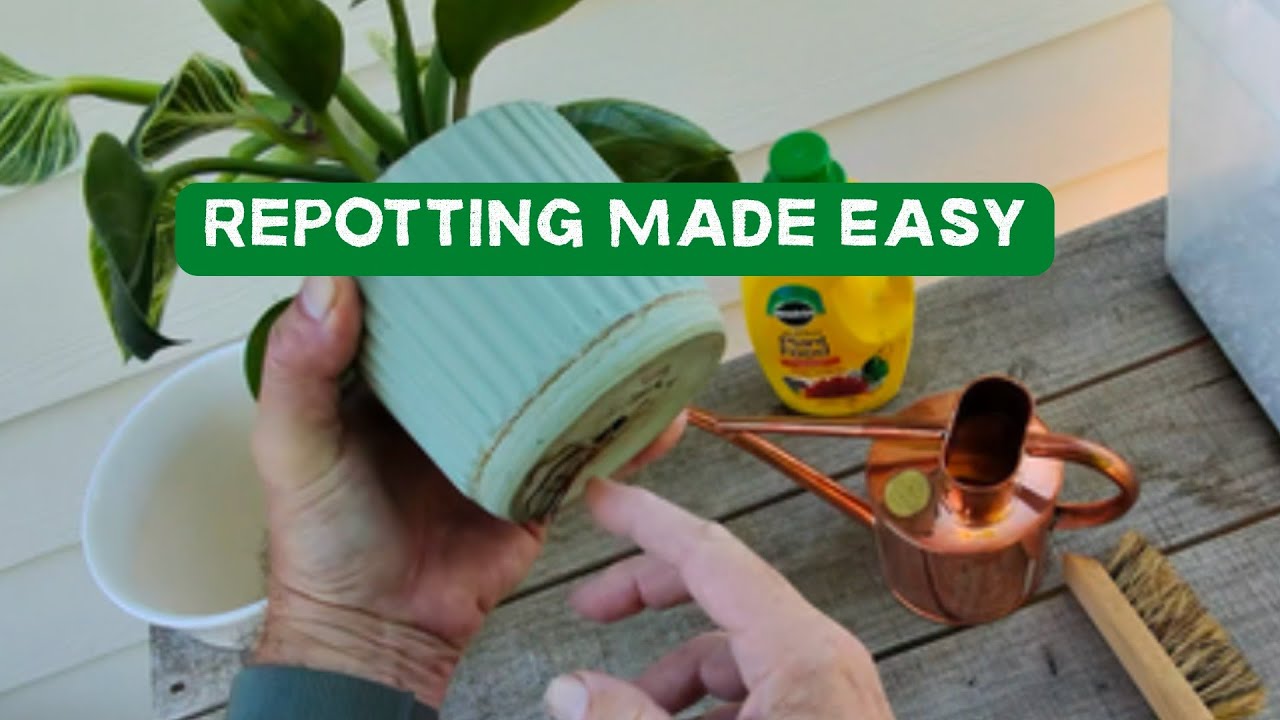
Is your houseplant rootbound or struggling to thrive? 🌿 In this video, we’ll show you the clear signs it’s time to repot and walk you through the entire process step-by-step. From choosing the right pot to loosening roots and watering in, you’ll learn everything you need to give your indoor plants a fresh start.
📌 What you’ll learn:
– When to repot houseplants (5 key signs)
– How to choose the right pot size
– The best soil mix for indoor plants
– Step-by-step repotting demonstration
– Master Gardener tips to reduce transplant stress
Repotting doesn’t have to be stressful for you—or your plants. With the right technique, you’ll have healthy, happy houseplants that thrive year-round.
👉 Shop my favorite gardening tools: https://shop.thecelticfarm.com
👉 More Master Gardener tips: https://www.thecelticfarm.com/the-potting-bench/
Don’t forget to like 👍, subscribe 🔔, and share this video with fellow plant lovers!”
#RepottingPlants #IndoorPlants #HouseplantCare #PlantTips #MasterGardener #RepottingHouseplants #PlantParent #GardeningTips
This is Master Gardener Steve from the Celtic Farm. Today we’ll be talking about house plants. Is your house plant looking a little cramped? Maybe roots are poking out of the bottom of the pot or the soil dries out faster than you can keep up. These are classic signs it’s time to repot. But when should you repot your plants? Here are the key signs. As mentioned, if the roots are pushing through the drainage holes, roots are circling tightly at the soil surface, if the soil dries out within a day or two of watering, if your pots cracked or misshapen from strong roots, or there’s stunted growth or yellowing leaves, even with proper care. Quick master gardener tip: Most house plants need repotting every 12 to 18 months. Fast growers like pose or spider plants may need it yearly, while slow growers like succulents can often wait up to 3 years. Now, let’s walk through how to repot step by step. The first step is to choose the right pot. Pick a pot 1 to 4 in larger in diameter than the current one. Too big and the soil will stay wet for too long. Too small and the roots won’t have space to grow. Always make sure that your new pot has drainage holes. Without drainage, even the healthiest plant can suffer root rot. Second, preparing the soil. Use a high quality potting mix, not garden soil. Indoor plants need a lighter area medium so their roots can breathe. Quick tip, add a handful of perlite or vermiculite or orchid bark to improve the drainage and air flow. Step three, loosen the plant. Gently tip the plant out of its pot. If it’s rootbound or stuck in the pot or the roots are circling, tease them apart with your fingers or pinch and pull uh or use a clean knife. In this case, I use a hyi hory. Quick tip, don’t be afraid to trim circling roots. Think of it as giving the plant a fresh haircut before it grows into its new space. Step four, setting in the new pot. Add a layer of soil to the bottom of the new pot and wet it. Place your plant so the crown sits at the same level it was before. Fill around the sides with soil and gently press to eliminate air pockets. Step five, watering in. Water thoroughly until it runs out of the drainage holes. This settles the soil and helps the plant adjust. A quick tip after repotting, keep your plant out of the direct sunlight for a few days. This reduces stress and helps it recover quickly. And that’s it. Repotting your indoor plants doesn’t just give them more room, it gives them a fresh start. Healthy roots mean a healthier, happier plant. Want more master gardener tips? Subscribe and join us at the Celtic Farm.
Comments are closed.