
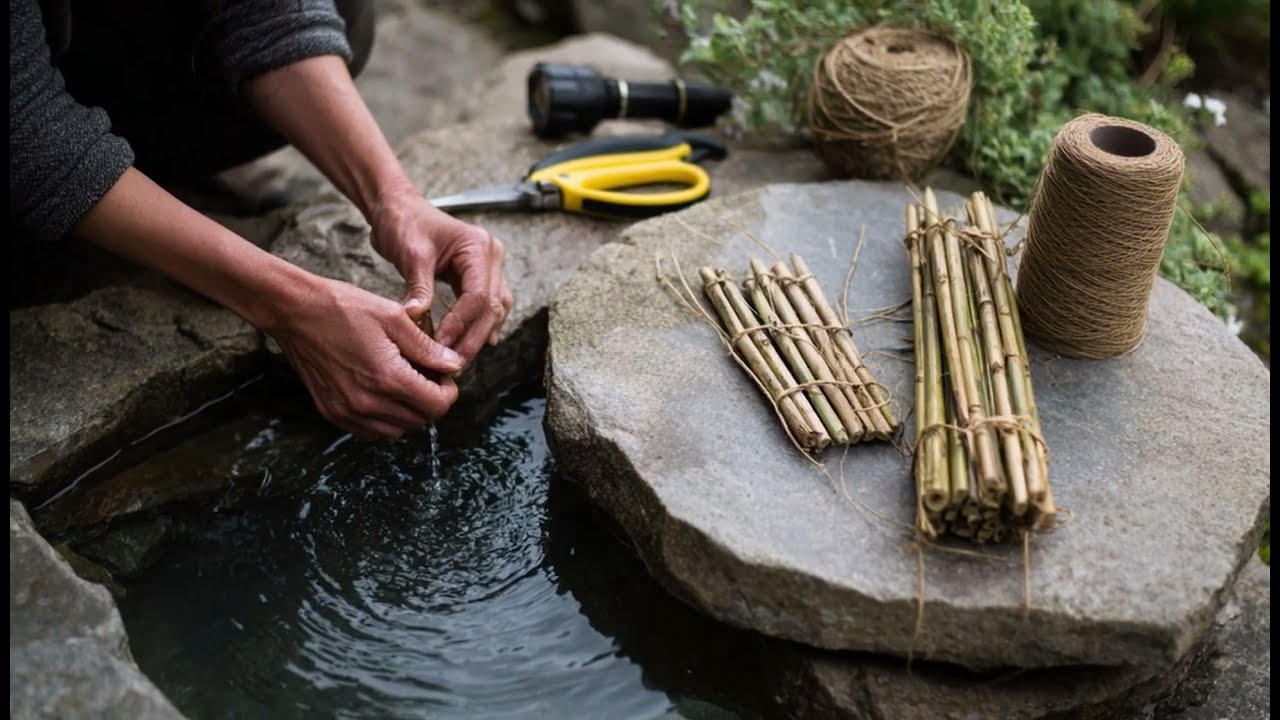
Are you ready to witness a complete backyard transformation that turns an ordinary space into an authentic Japanese garden retreat? In this 60-minute documentary-style video, we take you step-by-step through a real DIY landscaping journey, showcasing peaceful Japanese garden ideas that anyone can apply at home.
🌿 Whether you’re starting from scratch or refreshing your outdoor space, this video is filled with serene inspiration, meditative visuals, and practical design insights. From moss-covered stepping stones to bamboo fences, stone lanterns, and tranquil water features, this backyard makeover is about more than just aesthetics—it’s about creating harmony between nature and self.
🔎 What You’ll Discover in This Video:
This is not your typical before-and-after landscaping video. It’s a calming, story-driven experience narrated in a soothing tone—perfect for slow living enthusiasts, gardeners, and anyone seeking peace in their home environment. Each of the 60 scenes offers a unique perspective on Japanese garden design principles, including:
The art of asymmetry: Why Japanese gardens avoid straight lines and perfect symmetry, and how this shapes movement and flow.
The meaning behind garden elements: From the symbolism of stone lanterns to the quiet role of water basins (tsukubai), we explore how each feature adds spiritual depth.
The role of nature and time: Learn how moss, weathering, and seasonal changes are welcomed—not hidden—in authentic Japanese landscaping.
DIY-friendly tips: Whether it’s laying stepping stones, building bamboo fencing, or designing with negative space (known as “ma”), we show how simple, affordable choices create powerful results.
This video isn’t just educational—it’s meditative. With soft music, natural soundscapes, and relaxing visuals, it invites you to slow down and reflect, scene by scene.
🌸 Why Japanese Garden Design?
Japanese garden ideas are more than a design trend—they are a philosophy. Rooted in Zen, wabi-sabi, and Shinto traditions, these gardens are designed to cultivate mindfulness, respect for imperfection, and a deeper connection with the natural world.
In today’s fast-paced world, having a peaceful garden space—even in a small backyard—is a gift. This video shows you how to turn a cluttered or forgotten space into a sanctuary that feels like an escape into Kyoto itself.
🛠️ Backyard Transformation Highlights:
Before: Overgrown lawn, unused patio, mismatched furniture, and zero sense of flow.
After: A cohesive landscape filled with handcrafted features like:
Dry riverbeds made of river stones and gravel
Moss gardens thriving in shady corners
Stepping stone paths leading to quiet nooks
Minimalist benches placed for reflection
Bamboo screens for natural privacy
Deliberately placed lanterns and sculptures for symbolic presence
All elements were created using DIY landscaping techniques, without heavy machinery or expensive materials. You’ll see how reclaimed wood, salvaged stone, and secondhand garden ornaments were woven into a design that feels timeless and meaningful.
🧘 Perfect for Viewers Who:
Love Japanese culture, meditation, and Zen philosophy
Enjoy slow-paced content with visual storytelling
Are planning a DIY backyard makeover or small space landscaping project
Seek minimalist, peaceful design inspiration
Want to create a relaxing garden without spending thousands
This is more than a video—it’s a visual retreat.
🕊️ A Personal Invitation:
We created this video not just to showcase a makeover, but to inspire transformation—from the ground beneath your feet to the calm within your mind. If you’ve ever dreamed of turning your own outdoor space into a peaceful Japanese haven, this video will walk you through the possibilities, one gentle step at a time.
✅ Don’t Forget to Like, Subscribe, and Share!
If this video inspired you, support us by hitting the Like button, Subscribing to the channel, and leaving a comment below. We’d love to hear about your own Japanese garden ideas, DIY landscaping tips, or favorite elements from the video.
Thank you for watching and making space for peace in your world 🌱 #japanesegarden #garden #minimalsm #backyardgarden
[Music] Welcome. Today we journey through a real backyard transformation. One that begins with a cluttered, forgotten space and blossoms into a serene Japanese garden retreat. This is more than landscaping. It’s a story of renewal, intention, and peace. Through every stone, tree, and ripple of water, discover how Japanese garden ideas breathe life into an ordinary yard. [Music] It started with overgrown grass, scattered tools, and A sunfaded patio set. Nothing inspired, but this space held potential. Open sky, mature trees nearby, and enough room to dream. DIY landscaping isn’t about perfection. It’s about vision. About seeing beyond weeds to something sacred waiting beneath. [Music] Hey, [Music] hey, hey. [Music] The first step was clearing old planters rusted edging. Even the fence panels came down. It was a symbolic reset, an act of making space in Japanese garden philosophy. Emptiness ma is not absence but opportunity. This backyard transformation began with subtracting not adding [Music] With a clean slate, we observed the light morning sun touches the east corner while shade deepens in the west. Knowing this, we sketched our zones. A moss garden where shade prevails, gravel paths where light dances, Japanese garden ideas are rooted in harmony with nature. [Music] The soundsscape mattered. Urban noise couldn’t be erased, but it could be softened. We envisioned a water feature, not grand but soothing. A still basin with a bamboo spout. In DIY landscaping, small scale does not mean small impact. Gentle sound became our acoustic veil. [Music] Next came structure. We marked the ground for pathways. Curved not straight. In Japanese design, a symmetry guides the eye naturally. Stones of varying shapes were placed with intention. Each one whispered stillness. This was the quiet rhythm of a backyard transformation in motion. [Music] Heat. Heat. [Music] A dry stream bed was formed using river pebbles and larger boulders. It doesn’t carry water, but it carries meaning. In Japanese garden ideas, these stone rivers reflect impermanence and flow. A story carved without a single drop spilled. Just the suggestion of water. [Music] the central ual feature emerged a weathered stone lantern. Tall, imperfect, moss-issed, it became the soul of the space. In Japanese gardens, lanterns are more than decor. They are beacons of spirit and time. This lantern found at a local salvage yard rooted the design. [Music] B. Bamboo fencing was installed to frame the space. It offered privacy without heaviness, letting dappled light in. DIY landscaping thrives on such materials. Simple, affordable, organic. The fence stood as a soft boundary, not a wall, a pause between garden and world. [Music] Hey. [Music] We selected plants like choosing words for a poem. Ferns, aelas, and dwarf pines were tucked into corners. Each leaf shape mattered. Each color had a season. Japanese garden ideas are not crowded with blooms. They are curated with silence and anticipation. [Music] Heat. Heat. N. [Music] [Music] Moss was invited in deliberately. Patches of living green were placed like clouds among stone and wood. Moss doesn’t shout. It hums in shady corners on lantern bases. Creeping gently across rock edges. It whispered a soft conclusion to the DIY landscaping chapter. [Music] a stone basin or tsukubai was added near the path. Guests could pause, bow and wash their hands symbolically. This act is traditional in tea gardens, but here it became a daily ritual of mindfulness, a small basin, a big transformation. [Music] We introduced stepping stones, flat, textured, and slightly irregular. Placed with intention, they guided visitors gently. A Japanese garden path is not direct. It invites you to slow down, notice, breathe. This backyard transformation was becoming a walking meditation. [Music] [Music] Heat. Heat. [Music] Gravel came next. A layer of fine white stones was raped around the central boulders in circular patterns. DIY landscaping tools was simple. A wooden rake, patience, and breath. Each stroke in the gravel was a thought released. [Music] Heat. Heat. [Music] A small wooden bench found its place beneath the maple. It was untreated, rough grained, built to weather with time. In Japanese garden ideas, furniture isn’t for sitting long. It’s for pausing briefly. It asks you to notice to feel the wind move. [Music] color came subtly. A single maple tree, its leaves turning crimson in fall, brought drama without clutter. Red in a sea of green is powerful. This was intentional contrast used sparingly like a single syllable in a haiku. [Music] Lighting was added with restraint. Solar powered lanterns cast soft glows after sunset. In Japanese design, less light is more. The shadows are as important as the light itself. This DIY landscaping choice gave the garden a quiet evening heartbeat. [Music] One corner was left wild, a nod to nature’s unpredictable ability, a space for birds and windblown seeds. In backyard transformation, not everything needs control. This edge reminded us that beauty includes the untamed [Music] Heat. Heat. [Music] The garden gate was a simple wooden arch handmade with mortise joints and no screws. Entering through it felt like crossing into another world. Japanese garden ideas often include such thresholds, subtle symbolic invitations to step into calm. [Music] Heat. Heat. [Music] We added a single sculpture, a stone frog near the basin. It blended into the scene. Barely noticed until you really looked. That’s the point. In Japanese aesthetics, discovery matters more than display. A surprise found in stillness. [Music] The edges of the garden were softened with ground cover. Low growing thyme and moss-like sedum. These humble plants filled space without stealing attention. In Japanese garden ideas, the edges matter. Transition zones define the quiet mood between structure and wildness. [Music] Hey. [Music] Hey. [Music] A dry bamboo water spout or cay was positioned above the stone basin. Though not connected to plumbing, it symbolized movement. Even in stillness, energy flows. This was DIY landscaping at its most poetic. Creating function through form, not mechanics. [Music] The backdrop fence was stained charcoal to disappear. Visually, it allowed the greenery to come forward. In Japanese garden design, contrast is a tool. A dark background enhances the presence of light and shape. This simple backyard transformation choice added depth. [Music] [Music] The garden’s rhythm was tested with a silent walk. No shoes, just bare feet on stone, gravel, and moss. The textures spoke. This was the true test of Japanese garden ideas. Could this space be felt, not just seen? [Music] A corner nook was designed for tea. Not formal, but peaceful. A folding table, two stools, and a tea set awaited beneath a pine branch. DIY landscaping can hold ceremony. In the simplest setups, the ritual of tea became a grounding pause in the day. [Music] [Music] Rain visited and suddenly everything deepened. The gravel shimmerred, the lantern glistened. Moss looked alive. A Japanese garden welcomes weather. It is not meant to always shine. This transformation taught us to see beauty in the wet, the gray, the quiet. [Music] A single windshine was added near the gate. Handmade from bamboo. Its sound was low and mellow. Not meant to sing often only when the wind had something to say. Such details give voice to a backyard transformation that’s meant to be felt. [Music] A path of timber sleepers was added, reclaimed from an old railway yard. Their weathered surface told stories of travel. Now they slowed the pace anchoring the earth. In Japanese garden ideas, even reclaimed wood holds spiritual worth. [Music] Seasonal shifts were anticipated in every plant. The maple would flame in autumn while chameleia would bloom. In winter’s quiet, thoughtful backyard transformation is not just for summer. It’s for the turning of time. Honoring nature’s clock. [Music] A single bird bath was placed among ferns. Not decorative, practical, a shallow stone dish for the sparrows and robins. Japanese gardens are not separate from life. They invited in. This DIY landscaping element was for the wind visitors who would complete the scene. [Music] Heat. Heat. [Music] We left room for shadow. Literally a blank gravel patch behind the lantern. Unlit, unplanted. This negative space or ma gave everything else more meaning. In Japanese garden ideas, silence between the notes makes the melody. [Music] A dry rock cascade was arranged in the east corner. No water, just the suggestion of a waterfall carved from granite and slate. This represented movement without force. The art of backyard transformation lies in symbols, not spectacle. [Music] Heat. Heat. [Music] A line of smooth black stones led toward the basin. They weren’t labeled or fenced, just placed like an invitation. This was the path of intention. Japanese garden paths are about quiet progression, not destination. [Music] We placed a single bonsai near the bench, aged, delicate. A juniper pruned for decades. Its miniature form, held the echo of ancient mountains. DIY landscaping meets mastery. When we allow scale to evoke vastness in small spaces. [Music] The sky played its part. We trimmed tree branches to open up the southern view. Light filtered through more generously. In Japanese garden ideas, framing the sky is part of the design just as much as the earth beneath your feet. Heat. Heat. [Music] A stone inscription was added beside The path etched with the kanji for peace. Not flashy, not large, just nestled beside a fern. It reminded all who passed. This space was shaped for inner calm, not just outer charm. [Music] [Music] [Music] We created a hidden seating spot, a stool behind a screen of tall grasses, a secret place for solitude. Every backyard transformation needs mystery. A tucked away corner to disappear into the sound of leaves and your own breath. [Music] Lighting was adjusted for moonlight, not flood lights, just angled solar glow to catch the curve of stone and silhouette of pine. DIY landscaping here meant designing with the moon. In mind, the garden began to breathe differently. after dusk. [Music] A miniature sand garden was placed near the entrance. Raed daily, it reset the mind. This was the zen heart of the transformation. Simplicity that asked for attention. Just a few pebbles, just a few lines, yet it said everything. [Music] [Music] Heat. Heat. [Music] We allowed imperfection to remain. A cracked stone was not replaced. A leaning lantern was not corrected. In Japanese garden ideas, Wabishabi teaches us that beauty includes the weathered, the tilted, the worn, the soul of the garden lived in these flaws. was [Music] heat. [Music] Time passed. Grass grew between stepping stones. Moss thickened. The garden changed without instruction. This is the real magic of a backyard transformation. It keeps unfolding. DIY ends, but nature continues the design. [Music] Heat. Heat. [Music] A mirror was added discreetly behind a bamboo grove. It doubled the space visually, catching reflections of sky and green. This was a trick of perspective borrowed from Japanese garden tradition. A small optical illusion with a big emotional effect. [Music] A dry leaf landed on the bench and we left it. These little traces of life are not cleaned away in a Japanese garden. They are part of the living artwork. Every fallen petal is a soft punctuation in the ongoing poem of the space. Heat. Heat. [Music] One day, fog rolled in and The entire garden blurred, softened, became ethereal. This moment was unplanned, but it was perfect. A true backyard transformation allows for moods. welcomes every season as part of its pallet. [Music] The project finished not with a final stone, but with silence, a breath. We stepped back, sat down, and felt something deeper settle in. This wasn’t just a makeover. It was a return, a reconnection, a garden of self as much as soil. [Music] Visitors arrived, friends, neighbors. They paused at the gate, slowed their walk, and whispered when they entered. That’s how we knew the transformation had worked. The space asked for stillness. It offered peace. [Music] We placed a notebook on the bench, a garden journal for thoughts, sketches, reflections. Some pages held poems, others quiet scribbles. A Japanese garden becomes a mirror. It reflects what you bring. and offers something back. [Music] The garden didn’t shout its transformation. It whispered it to the birds, to the wind, to each person who entered with curiosity. That’s the power of backyard transformation rooted in intention. [Music] And now when we look out the window, we no longer see a backyard. We see a sanctuary, a quiet world made by hand, spirit, and time. That is the essence of true DIY landscaping. [Music] Heat. Heat. [Music] [Music] Heat. [Music] Heat. Thank you for joining us on this journey from overgrown beginnings to a space of stillness. May your own backyard transformation bring peace, purpose, and beauty. If this inspired you, please like, subscribe, and continue walking with us through the art of Japanese garden ideas. [Music]
Comments are closed.