

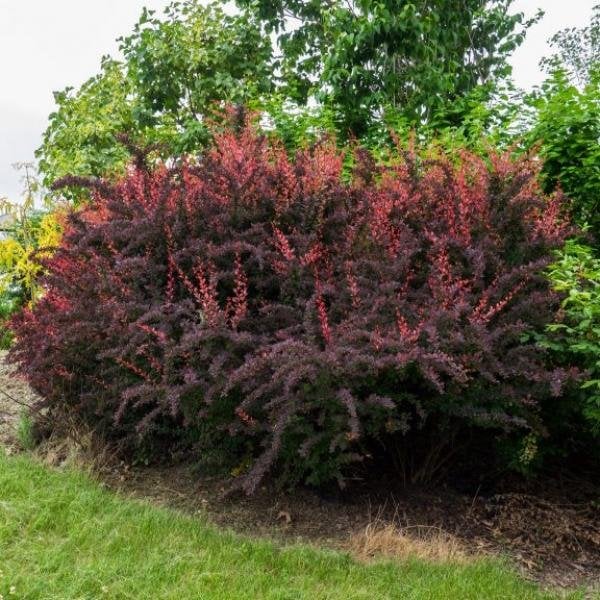
Why YSK: (TLDR) this common plant create habitats that allow ticks and mice to thrive. ticks get lyme disease bacteria from feeding on mice. so these plants are helping promote and increase the prevalence of lymes disease, the plant is also invasive and bad for the ecosytems of north america. here is a 8min video that summarizes everything below for those who would rather watch than listen (https://youtu.be/KbSxhjceCyw)
So Japanese barberry is a very common lawn decorations and is still sold at many stores like home Depot and such through the US. Here is a picture of the plant in it's more common purple variety :https://imgur.com/gallery/QtpfjGF and here is a pic of it as it's more natural green variety of which it normally goes back to once in the wild https://imgur.com/gallery/cciXfeO so I'm sure many of you have seen this plant and some of you even have this plant in your lawn.
Well you should know this species of plant is helping to spread Lyme's disease as it's leaves make a perfect microenvironment for black leg ticks(ones that transmit Lyme's) to develop. The leaves make it very humid which is something the ticks love and because of this the young are able grow in a safe environment. Additionally the thorns and thickness if this plant can protect the ticks from predators such as opossums and turkeys. The bush can also offer refuge for white footed mice which are the main reservoir for Lyme's(much more important than deer or anything else) The reason mice are important is the young ticks will normally feed in small animals like the mice for their first stage. That's where they pick up the Lyme's. After that they will bite others hosts and that's how they can spread it. Here is an 8 min video that explains this in greater detail about how japanese barberry helps spread ticks and lymes (~8min long)[nerdy parasite video about ticks and Lyme disease](https://youtu.be/KbSxhjceCyw)
this plant is also highly invasive and destroying some of our northamerican habitats and forest ecosystes.
So if you are a lawn owner I plead you to look up you local states "do not plant list" help out your local invasive species removal group by just not making the problem any worse. Also if you are willing please consider removing the plant from your yard(if present) and replacing it with a native plant. Most "do not plant " lists normally have a sister please plant list so that should help you find information on responsible planting.
For people who choose to remove please wear gloves. This plant has some nasty thorns that you won't feel at first but then the next day you will have some deep splinters that are painful and infected.
Invasive are an ever increasing problem for our local wildlife, and if we want our future generations to enjoy the variety in nature we have then we need to protect it. Of even 5% of the population learned how to identify a couple invasives and just Removed them as they went about hikes and walking and such the problem would be much more managable. But a start is to prevent more people from planting these and acting as a source of invasion.
by Not_so_ghetto
12 Comments
I feel like this is old news for those who care. There are many homeowners who don’t even know the names of the shrubs planted by prior owners. Others couldn’t care less. Then there are those who think it sounds like leftist environmental / climate change absurdity. Maybe someone will be swayed by your post which is a start. As it has very sharp thorns, this is not one to be pulled out by hikers.
Thanks for sharing! There are so many of these in my neighborhood and corporate plantings in my Midwest city. Even if you only manage to convert one person to native/non-invasive plantings – it helps!
Excellent PSA I have a horticulture diploma and I had no idea
Thank you for sharing! I was aware they are invasive, but I didn’t know about the ticks.
We had one in the front yard. I became aware it was invasive only when I started identifying the existing plants in our newish home’s front yard. I learned it was thorny the hard way. Even the roots are thorny.
We pulled it out this year and replaced it with a non-invasive plant.
Next year we will try to remove the overgrown invasive Rose of Sharon. Not thorny, but very established. Ugh. Wish us luck.
And spreads into forest floors (when birds eat the fruit) and completely takes them over. Makes it impossible for tree saplings and native plants to even grow in the vast sea of barberry.
Gives you a bunch of wounds from walking in them as well.
I think Barberries are a host for some wheat disease……rust. So aren’t supposed to be grown for that reason.
Trying to remove a huge one today or next weekend. It is daunting with the thorns and its size
I had no idea this was the case until recently. They come up from seed that birds spread so I have to dig them up even though I have never planted one.
Ughhh. This stuff keeps popping up with Oriental bittersweet and multi-flora rose in my yard—under a tree where birds like to hang out, of course. I can NEVER get rid of the invasives there because the birds come back each season and deposit more seeds. It’s infuriating.
Cool I’ll make sure to have this noted for future work. Always hated the dumb things anyways.
It’s so terrible, so ugly, so thorny, and it spreads into wild areas and fucks them up too. Easily my #1 most hated invasive shub. When I moved into my house there were like 3 of them planted around the property and I dug them all up. Even the roots have thorns!!!
I have one uk against my house and I can’t kill it. It’s right next to a very pretty and tall evergreen tree so I can’t go crazy pulling up the root ball. I just chop it down to the roots every year and it comes back.