
✨🌿 Garden Living Trends 🌴🌺
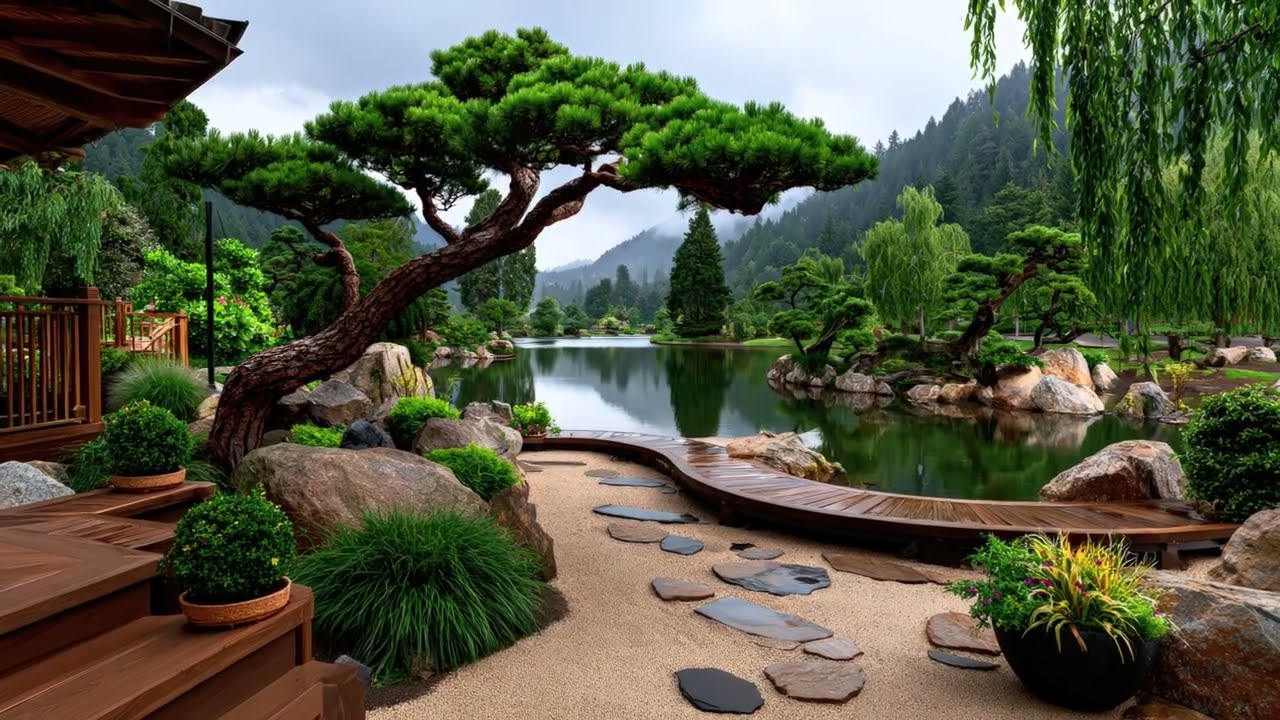
🌸 Transform Your Space with Serene Japanese Tree Garden Design Ideas That Inspire Peace and Balance! 🌸
Step into a world of calm and artistry with Garden Living Trends as we unveil the beauty of Japanese tree gardens — where nature, design, and mindfulness unite. Discover how to create breathtaking landscapes inspired by Zen philosophy, maple hues, bonsai artistry, and cherry blossoms. Each element we share invites peace, creativity, and timeless beauty into your outdoor living. 🌿✨
Chapters:
00:00 Introduction
01:20 Japanese Zen Garden Design Ideas
02:40 Japanese Maple Tree Landscaping
04:00 Japanese Garden Layout Inspiration
05:20 Japanese Bonsai Garden Setup
06:40 Traditional Japanese Courtyard Garden
08:00 Japanese Rock And Tree Arrangement
09:20 Small Japanese Garden Design Ideas
10:40 Japanese Tree Pruning Techniques
12:00 Modern Japanese Garden Concepts
13:20 Japanese Tree Bridge Landscape
14:40 Japanese Garden Lantern Placement
16:00 Japanese Garden With Koi Pond
17:20 Minimalist Japanese Backyard
18:40 Japanese Garden Path Design
20:00 Japanese Tea Garden Aesthetic
21:20 Japanese Pine Tree Styling
22:40 Japanese Cherry Blossom Garden
🌺 Whether you have a large yard or a small patio, these ideas will help you cultivate balance, reflection, and harmony right at home. Let’s make your garden not just a place to see, but a space to feel. 🍃
#JapaneseGarden #ZenDesign #GardenLivingTrends #LandscapeInspiration #CherryBlossom
Welcome to Garden Living Trend. Garden Living Trend presents. Transform your space with serene Japanese tree garden design. Ideas that inspire peace and balance. Welcome to Garden Living Trends, where tranquility meets artistry. Today we explore the Japanese tree garden design ideas that redefine harmony and balance in nature. Imagine walking through a path lined with cherry blossoms, hearing the soft whisper of bamboo, and feeling serenity wash over your spirit. These designs don’t just beautify your home, they transform your soul. Stay tuned as we uncover how to craft your own slice of Japan right in your backyard. One Japanese Zen garden design ideas. The beauty of a Japanese Zen garden lies in its simplicity and meditative essence with carefully placed stones, raked sand patterns, and minimalist tree arrangements. It embodies tranquility and balance. Creating a zen inspired space allows you to connect with mindfulness and stillness while embracing the elegance of restraint. Incorporating elements like moss, bamboo, and gravel can transform even small spaces into havens of reflection and peace. Two, Japanese maple tree landscaping. The Japanese maple tree with its vibrant red and golden foliage symbolizes grace and transformation. Its delicate leaves and sculptural form bring a natural sense of artistry to any landscape. Whether positioned near a pond or accenting a pathway, maple trees enhance depth, color, and seasonal beauty. Their timeless elegance compliments stones, water features, and wooden structures perfectly, capturing the spirit of harmony found in nature’s design. Three. Japanese garden layout inspiration. A well-designed Japanese garden layout follows balance and symbolism. Each path, tree, and stone has purpose and meaning, representing a story of nature’s connection with humanity. The layout encourages exploration, reflection, and calm transitions from one space to another. Using curved paths, asymmetrical layouts, and water features creates a journey that feels both intentional and organic. A living poem of serenity and natural rhythm. Four Japanese bonsai garden setup. The bonsai garden is an expression of patience, precision, and artistry. Each miniature tree tells a story of harmony and discipline. Setting up a bonsai garden requires mindfulness and care, balancing light, shape, and proportion. Displaying bonsai on wooden platforms or near water basins enhances their beauty, reflecting Japanese principles of wabish sabi, finding beauty in imperfection and simplicity. A bonsai garden becomes a timeless meditation in living form. Five. Traditional Japanese courtyard garden. Traditional Japanese courtyard gardens or subuna bring serenity into compact spaces featuring stone lanterns, bamboo fences, and mosscovered stones. These designs blend nature with architecture seamlessly. The courtyard becomes a sanctuary for quiet reflection. Often centered around a small tree or water basin with subtle lighting and natural materials, it evokes a tranquil atmosphere that harmonizes with both home and spirit. Yes. Yes. Six Japanese rock and tree arrangement. Rock and tree arrangements are the soul of Japanese landscaping. Each stone represents permanence, while trees signify life and transformation. The placement of these elements follows nature’s rhythm, evoking mountains, rivers, or islands in miniature form. Combining moss, gravel, and sculpted pines builds a timeless aesthetic that balances strength and softness. The very essence of natural design harmony. Seven. Small Japanese garden design ideas. Even the smallest spaces can reflect the majesty of Japanese gardens through clever use of scale, light, and texture. Compact areas transform into sanctuaries of peace. Incorporate mini lanterns, stone paths, and small trees like dwarf maples or bonsai. Add gentle water features to enhance sound and motion. A small Japanese garden is proof that serenity doesn’t need space. It thrives in simplicity. Eight. Japanese tree pruning techniques. Japanese pruning is an art form emphasizing natural shape and spiritual balance. Each cut reveals the treere’s character, guiding growth rather than controlling it. Techniques like nwaki transform trees into sculptural forms that echo the landscape’s rhythm. With patience, skill, and mindfulness, pruning becomes meditation, a partnership between gardener and nature to reveal timeless elegance in every branch. Nine. Modern Japanese garden concepts. Modern Japanese gardens blend minimalism with tradition. Clean lines, geometric forms, and muted tones meet natural textures of stone, wood, and water. These designs invite mindfulness through simplicity while honoring ancient symbolism. Incorporate steel accents, soft lighting, or reflective pools for a contemporary twist that still breathes peace and balance into modern spaces. 10. Japanese tree bridge landscape. The iconic bridge is a symbol of transition and journey in Japanese gardens. It gracefully connects paths over tranquil water framed by cherry blossoms or maple trees. The bridge not only enhances beauty but also invites reflection on life’s crossings between seasons, emotions, and moments. Crafted from wood or stone, it becomes both a physical and spiritual connection. 11. Japanese garden lantern placement. Lanterns illuminate both light and meaning within Japanese gardens. Traditionally placed near paths, ponds, or trees, they represent wisdom and enlightenment. The placement balances visual harmony and spiritual guidance, especially when lit during twilight. Stone lanterns add depth, character, and rhythm to the nightscape, revealing the garden’s calm beauty under the stars. 12. Japanese garden with koi pond. might sell a koi pond symbolizes prosperity, patience, and peace. The gentle movement of koi beneath maple reflections creates living art in motion. Surrounded by stones and moss, it becomes the garden’s heartbeat. Soft, rhythmic, and timeless. Adding small bridges, liies, and subtle lighting transforms the pond into a visual and meditative centerpiece of balance and grace. 13. Minimalist Japanese backyard. Minimalism is the heartbeat of Japanese aesthetics. A minimalist backyard merges calm, clarity, and proportion through subtle contrasts, stone and water, wooden leaf. Each element is deliberate and purposeful. With clean lines, soft lighting, and open space, the design invites reflection and simplicity. In this balance, beauty and peace naturally emerge. 14. Japanese garden path design. A Japanese garden path is more than a walkway. It’s a spiritual journey. Every step invites mindfulness, guiding visitors to move slowly and observe nature’s beauty. Irregular stepping stones, moss edges, and bamboo railings create rhythm and flow. The gentle curves symbolize life’s unpredictable yet harmonious journey. 15. Japanese tea garden aesthetic. A Japanese tea garden or chiwa embodies respect, purity, and harmony. Every element, stone basin, lantern, and tea house serves ritual and reflection. Designed for the tea ceremony, it guides guests through cleansing paths and tranquil pauses. This garden celebrates mindfulness and the art of slowing down, connecting people through nature and tradition. 16. Japanese pine tree styling. Pine trees in Japanese gardens symbolize endurance and longevity. Their sculptural forms shaped over years embody strength within grace through pruning and patience. Pines mirror mountain silhouettes and windswept beauty. And they serve as silent guardians, timeless and resilient, watching over the garden through every changing season. 17. Japanese cherry blossom garden seal. Cherry blossoms represent the fleeting beauty of life. When in bloom, they create breathtaking poetry across the garden, their petals falling like soft rain. A cherry blossom garden becomes a symbol of hope, renewal, and gratitude. Beneath these pink canopies, peace blossoms in both heart and soul. Thank you for joining us on this serene journey through Japanese tree garden design ideas. Don’t forget to like, subscribe, and let nature inspire your creativity. At Garden Living Trends, we believe every garden tells a story. Make yours a masterpiece of calm, beauty, and balance. See you in the next video where we continue exploring the art of outdoor living with timeless elegance and heart.
Comments are closed.