
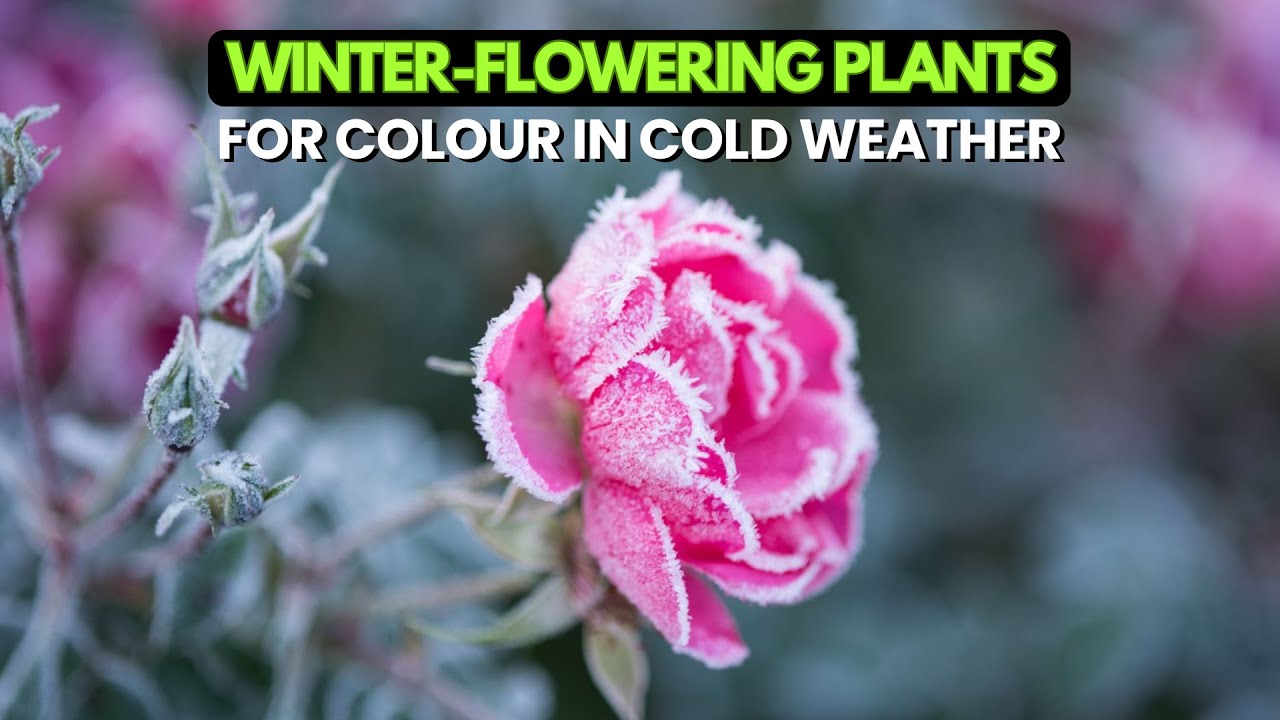
Looking for winter-flowering plants that will keep your garden colourful even in the cold months? Even when most plants go dormant, there are incredible varieties that bloom through frost, snow, and short winter days. In this video, I’ll share the Top 10 Winter-Flowering Plants that add vibrant colour, seasonal fragrance, and year-round beauty to your garden, balcony, or containers.
Whether you’re a beginner gardener or someone planning your winter container garden, these plants are easy to grow, low-maintenance, and perfect for cold climates. From Hellebore, Cyclamen, and Snowdrops, to fragrant favourites like Winter Daphne, each plant brings its own charm and winter interest.
In this video, you’ll learn:
The best plants that bloom in winter
Which flowers survive frost and cold weather
Beginner-friendly winter plants for small spaces
How to plant and care for winter bloomers
Tips for using colour, contrast, and evergreens effectively
Featured Plants:
Hellebore, Winter Jasmine, Winter Heath (Erica carnea), Cyclamen, Camellia, Daphne odora, Primrose, Snowdrop, Mahonia, Winter Heliotrope.
If you want your garden to stay lively, bright, and full of colour during the cold season, this guide will help you choose the right plants and grow them successfully.
🌱 Question for you: Which winter-flowering plant will you try first?
Share your pick in the comments — I’d love to hear your garden plans!
#WinterFloweringPlants #WinterGardening #ColdWeatherPlants #GardenTips #FlowerGardening
Did you know that just because the days are short and chilly doesn’t mean your garden has to go dull and gray? There are plants that actually love the cold. They bloom when most plants are resting. Today, I’m going to show you my top 10 winter flowering plants that bring color and life to those frosty months. Whether you’ve got a balcony, a small yard, or just containers, I’ve got ideas for you. Let’s get started. One, hellaore. This one is a favorite for winter color. It blooms when many plants are asleep, sometimes even when there’s frost. It does well in partial shade in rich soil that drains well. Tip: planted in autumn so its roots establish before the cold hits. Two, winter jasmine. Bright yellow blooms that show up in late winter, often before leaves are back. A shrub that you can train over a wall or let sprawl. It loves sun to part shade. Fun fact, it’s sometimes mistaken for forthia because of its yellow flowers. Three. Erica Carneia. Low growing evergreen with needle-like leaves and small bell-shaped flowers in reddish pink, white, or purple. It’s perfect for ground cover or along borders in winter when most plants are plain. Works well in rock gardens or mixed with dwarf conifers. Four. Cyclment. These lovely little plants have upswept petals in pink, red, white, and interesting foliage. Great for containers or shady corners where many plants struggle. They like cool tongue and well- drained soil. Five. Chameleia. A classic shrub with glossy evergreen leaves and big blooms in winter. Give it part shade and acidic well-grained soil. It adds structure and flowers in months when many shrubs are bare. Six. Daphne odora. What I love super fragrant pale pink tubular flowers that bloom in winter. It’s evergreen so you get flowers and lovely leaves all winter. Plant it where you’ll walk by so you can enjoy the sun. Seven. Primrose. Not just spring only. Some prim roses bloom in late winter or very early spring. They come in many colors, yellow, maroon, lavender, blue purple. Use them in shady borders or containers for a burst of color. Eight. Snow drop. Tiny white knotting flowers that often poke through late winter frost or even snow. They’re subtle but magical. Plant them in drifts groups for the best effect. Woodland gardens under trees are ideal. Nine. Mahonia. Bold yellow flower clusters in late autumn and winter with evergreen spiky leaves that add texture. Great for shaded spots or as a statement shrub. Pollinators appreciate it early in the season. 10. Winter helotrope. Here’s a more unusual one. Pinkish mauve vanilla scented flowers in winter. Use it in a shaded, moist spot. Because it spreads via ryzones, you may need to keep an eye on it, but its winter blooms make it worth it. Extra tips. Know your climate zone before planting. Plant in autumn so roots establish early. Use well- drained soil to avoid cold plus water stress. Add color contrast with evergreens plus winter bloomers. Use containers if space or soil is limited. Remove spent blooms and keep foliage clean. In warmer regions, choose plants suited to mild winters. Mulch and feed lightly before the coldest period. All right, folks. I hope you found the list useful and now feel ready to bring color into your garden even during the cold season. If you enjoyed this video, please like and hit the subscribe button so you don’t miss any of my gardening tips. And leave a comment below telling me which winter flowering plant will you try first. I’d love to hear your plans. Thanks for watching and see you in the next video. Happy gardening.
Comments are closed.