
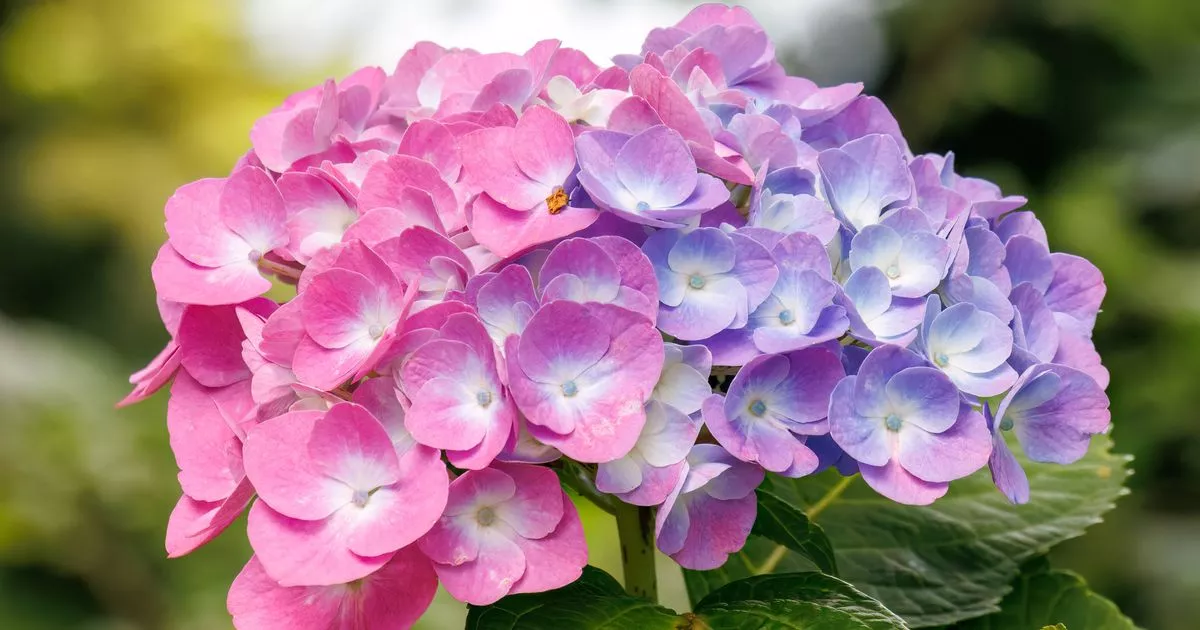
Hydrangeas are thirsty plants and need to be watered regularly in late autumn to ensure the flower buds don’t become damaged.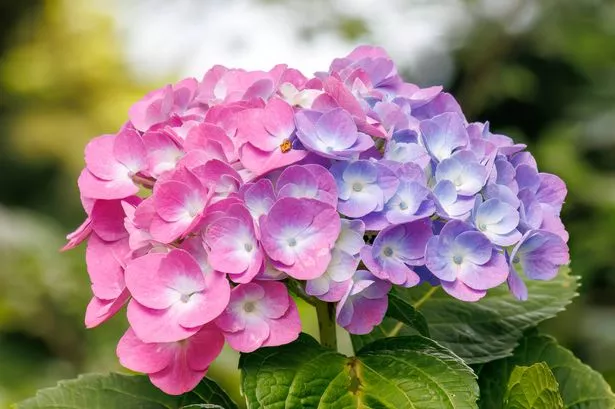 Hydrangeas need care in the winter in order to bloom in spring(Image: d3_plus D.Naruse @ Japan via Getty Images)
November typically means staying warm inside, but hydrangea enthusiasts have critical tasks ahead if they want their blooms thriving come spring. Late autumn watering often gets neglected due to rainy conditions, yet this oversight can seriously harm developing flower buds.
Gardening specialists at Monrovia emphasize that powerful winds during this season make consistent watering essential until the ground freezes.
They said: “It’s vital to water hydrangeas deeply and consistently as they are thirsty plants by nature. Their name basically means hydration, but we don’t need to geek out with Latin right now! Cool, drying winter winds suck the moisture right out of the plants – and hydrangeas don’t use lip balm. Doesn’t have to be hot to be dry!”
READ MORE: Urgent warning to Irish people sending teabags, crisps or chocolate to US this ChristmasREAD MORE: American mother slammed for giving her son an Irish name she can’t pronounce
Many gardeners mistakenly focus solely on summer hydration, yet pre-winter watering proves equally crucial.
When soil freezes and hydrangeas enter dormancy, water absorption becomes impossible. Plants with already-parched roots face survival challenges.
Most hydrangea varieties have already developed next year’s flower buds. Severe dehydration causes these buds to shrivel or perish entirely, resulting in fewer spring blooms.
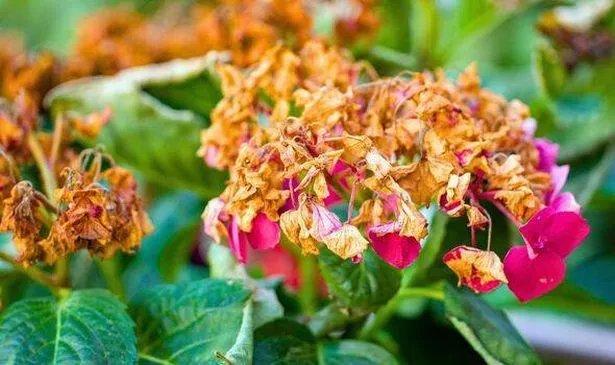 Hydrangeas are thirsty plants and forgetting to water them now can harm them over winter (Image: Getty)
Investing time in watering hydrangeas now ensures long-term plant health and guarantees abundant flowering once winter passes. How to correctly hydrate hydrangeas in November.
Ensure you’re checking the soil once a week, either by touch or with a moisture meter. If it feels slightly damp, your hydrangeas are well-hydrated, but if it’s dry or powdery, they’ll need watering.
Deeply water the plant, ideally in the morning, allowing the water ample time to seep into the ground before evening temperatures drop.
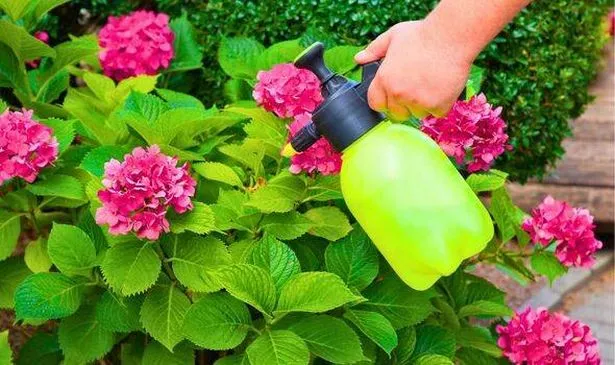 Check hydrangeas regularly before the ground freezes and water them deeply (Image: Getty)
A straightforward way to ensure your hydrangeas receive enough moisture is to trickle water them, letting the water gradually soak into the ground to reach the deeper roots.
The expert shared: “One way is to make a small hole in the side of a five gallon bucket and fill with water. Then set at the base of the plant, allowing the water to trickle out slow.”
Using a bucket to slowly water helps hydrangea roots grow deep before winter, enhancing their resilience and minimizing the risk of frost damage during freezing temperatures.
Comments are closed.