
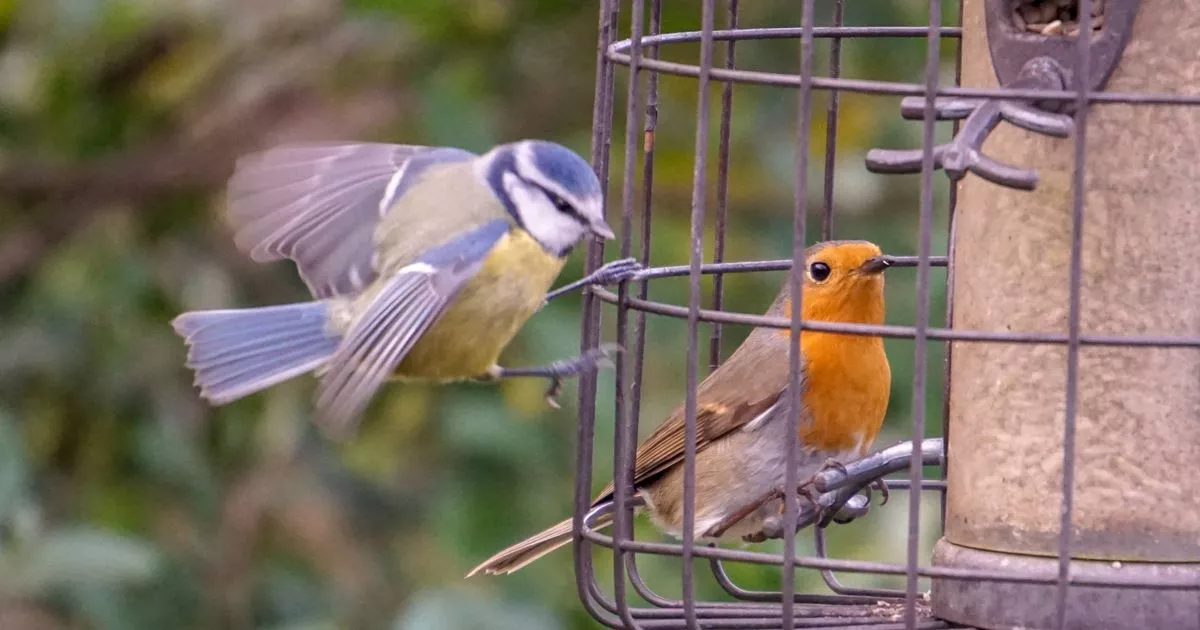
If you’re one of the many people who leaves food out for birds in the garden, there’s one common mistake you may be making. Here’s what you need to know.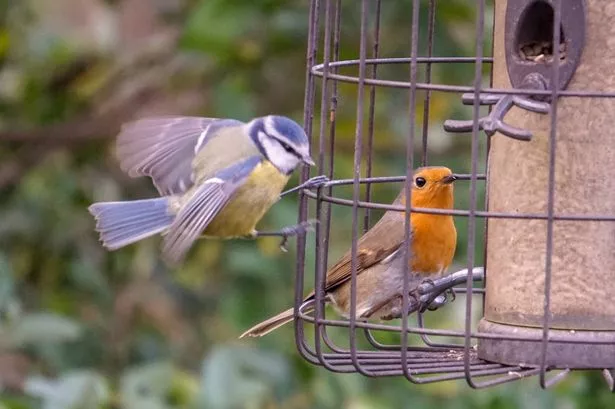 Some foods can harm wildlife(Image: Gary Mayes via Getty Images)
As the chillier months roll in, food sources for our feathered friends become scarce, leading many kind-hearted Brits to lend a helping hand by leaving out food. However, if you’re one of these wildlife enthusiasts, you might be making a common blunder.
Sean McMenemy, founder of Ark Wildlife, has offered his expert advice on what food could actually harm birds.
A frequent mistake is leaving out kitchen scraps – but this could do more damage than good.
You might think that bread, leftover scraps, or rice are helpful, but they don’t provide the crucial fats and proteins birds need to stay fit.
Many opt to feed bread scraps to birds as they’re readily available, but they lack the essential vitamins needed for birds to thrive during winter.
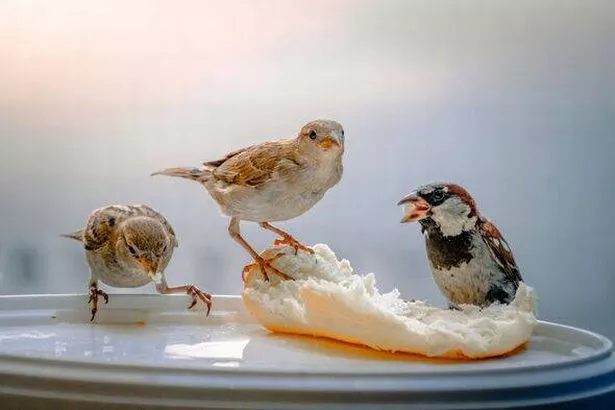 Bread can make birds very sick(Image: Getty)
Bread products can also make birds ill. Stale or damp bread can grow mould, leading to respiratory infections, while wet bread can harbour harmful bacteria such as salmonella and e-coli.
If you’re keen to leave kitchen scraps out for the birds, it’s wiser to stick to things like chopped fruit, plain cooked vegetables and uncooked oats mixed with seeds or suet, reports the Express.
If you’re unsure about what to feed, sticking with sunflower hearts, suet pellets, and year-round seed mixes are a safe bet.
These items will provide balanced nutrition for many garden birds.
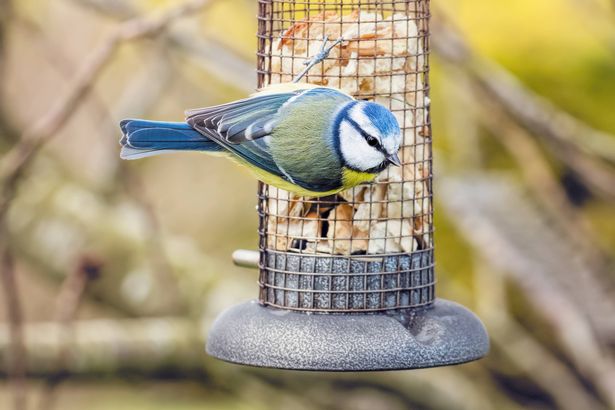 Covered feeders are better for smaller birds(Image: joegolby via Getty Images)
To deter more dominant birds like magpies from monopolising your feeders, consider switching to a smaller bird feeder that is harder for larger birds to access.
This will also help dissuade squirrels from nicking all the food.
If you’re not keen on large groups of starlings descending on your feeders and taking over, try switching to smaller grains like wheat and rolled oats.
Robins and tits are fond of these but starlings are more likely to give them a miss.
Comments are closed.