
Gabriella de Souza
| Guest Contributor

Old Farmer’s Almanac predictions for winter in Wilmington, NC
The Old Farmer’s Almanac annual predictions for winter are here. Here’s what we can expect in the Wilmington area.
North Carolina’s growing season is getting longer due to climate change, with the first fall freeze arriving later.This shift can affect the synchronization between plant blooming and bee activity, impacting pollination.A longer warm season increases the risk of heat and moisture stress for certain plants like Japanese maples.Gardeners can adapt by using mulch, watering deeply, and providing shade for vulnerable plants.Local gardeners should prepare for both annual frost date variations and an overall longer growing season.
Gardeners in North Carolina typically plan their gardens around two key dates: the last spring freeze and the first fall freeze.
In New Hanover County, the distance between those dates has subtly but steadily increased. According to Timothy Armstrong, meteorologist and climate program leader of the local National Weather Service, Wilmington’s growing season is lengthening by about 1.2 days per decade.
Armstrong shared that “climate change has already led to measurable changes in the length of the growing season in North Carolina,” and “the first fall freeze is happening 9 days later compared to what was observed 75 years ago.” What could this shift mean for your gardening routine and for the plants and pollinators involved?
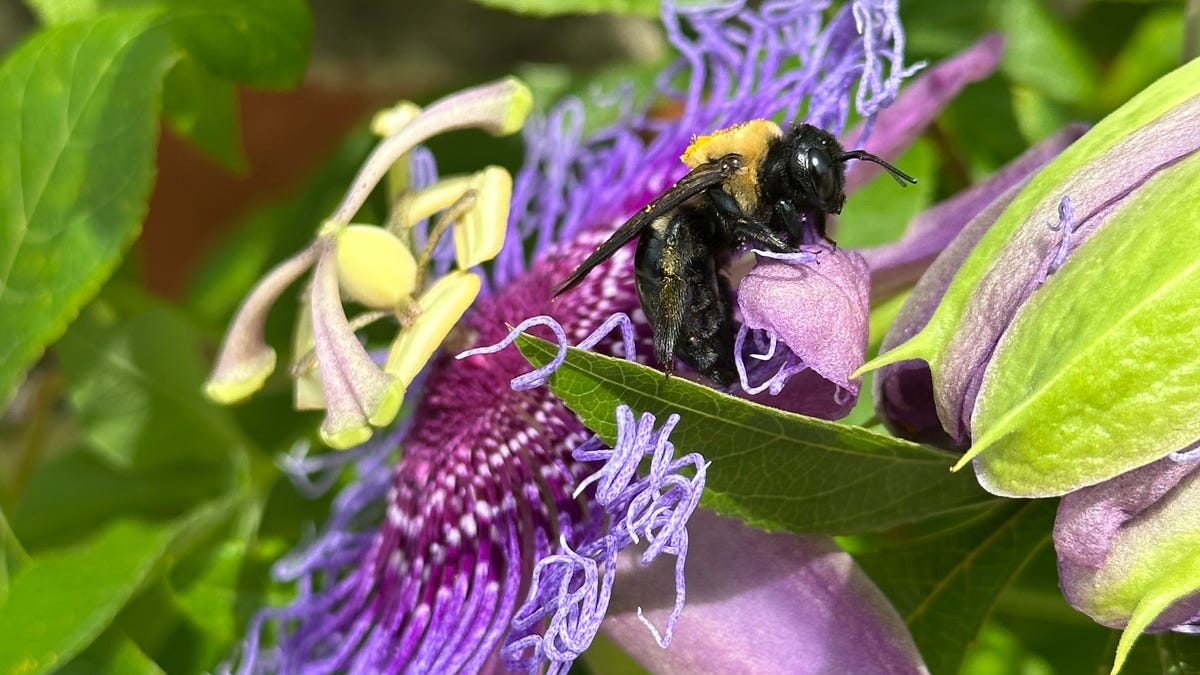
Many beneficial insects, as well as plant pests, have life cycles that are tied to host plants and climate. As soil and soil air temperatures rise in spring, overwintered queen bees and solitary bees emerge.
Day length and the availability of nectar and pollen help determine how quickly colonies build, and when they begin to taper. In late summer and fall, many species shift from producing workers to producing new queens, which then build fat reserves and enter dormancy as soils cool.
A modestly longer warm season can move bee emergence to earlier in spring and extend their activity into the fall. In regard to plant pollination, bloom and bee activity could drift out of sync in some years, reducing visits during peak flowering or concentrating them at different times than in the past. Additionally, a longer pollinator active period could increase total foraging time and the number of pollination opportunities, provided there is continuous bloom and adequate moisture.
An extended summer would not only affect pollination. It also raises the chances of heat and moisture stress, especially for shallow-rooted ornamentals, such as Japanese maples. Prolonged high temperatures and dry winds can lead to leaf scorch, even in partial shade.
Home landscapes can adapt by maintaining mulch to two or three inches while keeping it off the trunk flare, watering slowly at the root zone during dry spells rather than frequent light sprinkling and providing afternoon shade with a sail or companion planting where feasible. Similar care applies to shrubs like Hydrangea and other species that prefer cool, moist soils.
It’s important to note that the dates of the first fall freeze and last spring freeze can vary significantly from year to year and by their exact location. Armstrong explained that despite their proximity, ”there is an almost two-week difference in the average date of the first fall freeze between Wilmington and Castle Hayne.”
Unfortunately, we do not have a substantial amount of data from surrounding areas like Carolina and Kure Beach. Armstrong hypothesized that these areas “likely have an even longer growing season than Wilmington due to the moderating effects the ocean and the Cape Fear River have on temperatures.”
In fact, many local gardeners have been experimenting with growing in-ground citrus trees and having success, something once considered impossible in coastal North Carolina.
Ultimately, gardeners should prepare for annual frost date variability as well as a potentially longer growing season.
Gabriella de Souza serves as the Consumer Horticulture Agent at the N.C. Cooperative Extension, New Hanover County Center and Arboretum, located at 6206 Oleander Drive. For more information about fungi and other plant topics, contact her at gadesouz@ncsu.edu or 910-798-7600.
Comments are closed.