

As temperatures plummet, gardeners are being urged to keep their lawns healthy during the winter – but some experts are advising against tidying up fallen leaves
Matt Jackson Trendswatch Content Editor and Rory Gannon
17:01, 13 Nov 2025
 Gardeners have been told to allow leaves to decompose naturally(Image: Grahamphoto23 via Getty Images)
Gardeners are being urged to leave their autumn leaves untouched as they could prove beneficial for their lawns. This advice comes as the latest guidance suggests that botanists should mow their lawns one last time to help them survive the harsh winter months.
At present, gardeners are getting ready for winter, with the initial signs already appearing as temperatures begin to drop. Meanwhile, many of the colourful plants we adore in the spring and summer have already started to wilt, going into a dormant state before bursting back to life next year.
However, as gardeners brace themselves for the colder weather set to hit the UK later this week, some ecological experts are advising against tidying up autumn leaves.
Leaves tend to fall most heavily from late October through to mid-November, so it’s no surprise that pavements across the country have been blanketed this month. But gardeners are being advised to let them be in their own gardens as this could greatly benefit the local ecosystem without them even realising it.
 Gardeners are being told to leave their autumn leaves alone(Image: Getty Images)
Ecological writer, Alys Fowler, is adamant that the fallen foliage should remain undisturbed, explaining that these can actually provide a habitat for insects as winter sets in. She further noted that the leaves store carbon, which can boost your lawn’s ability to absorb minerals and moisture.
Whilst fallen leaves might make properties look untidy, Alys maintained that winter winds will ultimately disperse them, enabling worms to decompose them and blend them into the earth.
Writing in Gardeners’ World magazine, Alys tells readers: “They’re called leaves for a reason; to be left alone to do their essential work.
“They may look spent but their business is far from done, both for the plant they left and the wider world around them,” she added.
“Soil can hold up to 30 percent more carbon if the autumn leaves are left to rot; carbon feeds the soil food web, particularly mycorrhizal fungi, which improves not only the trees’ ability to take up water and minerals, but also the lawn and wider garden.”
 Alys encouraged gardeners to resist the urge to get rid of their leaves(Image: SolStock via Getty Images)
Additionally, Alys highlighted one nocturnal champion – the elephant hawk moth, recognised for its remarkable pink and olive green hues, which depends on rotting leaf debris to create its cocoons.
This further underlined the significance of permitting leaves to decompose naturally, she argued.
However, Alys’ perspective isn’t universally accepted.
David Hedges-Gower, chairman of the Lawn Association, issued a serious warning regarding the environmental risks of abandoning leaves on grass, claiming they can “suffocate and kill” it.
He cautions that the build-up of leafmould could destroy even the hardiest lawns. According to his expertise, ignoring fallen leaves in your garden could require additional maintenance during spring, potentially involving reseeding and boosting water supplies just to help the lawn survive winter.
He stated: “Neglecting our lawns by leaving fallen leaves not only harms them but creates unnecessary work each year, increasing our unsustainable footprint. Unlike other garden areas, lawns require attention year-round.”
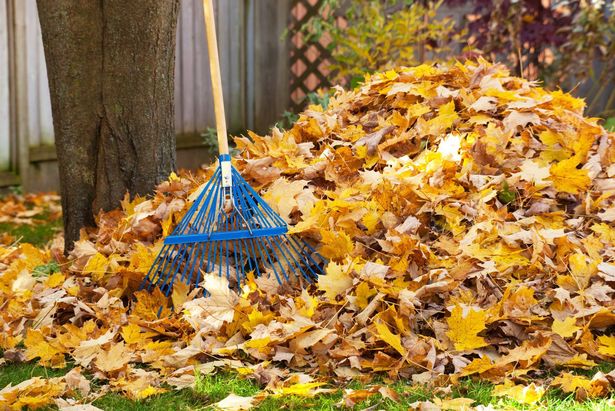 Pile of leaves in the autumn(Image: Getty Images)
David firmly believes that “protecting” the lawn should be a “priority”, claiming it “enhances your garden’s beauty year round” and helps create a sustainable outdoor environment.
The Royal Horticultural Society, however, acknowledges the possible advantages of leafmould, particularly when it has fully broken down.
They propose it can serve as seed-sowing compost or be incorporated into garden compost heaps.
They advise that leafmould less than two years old works best as mulch to improve soil structure, as autumn lawn top-dressing, or as protective winter covering for exposed soil.
Nevertheless, they have urged caution, warning gardeners about homemade leafmould compost which might encourage weeds.
Furthermore, leaves collected from streets may contain debris and should be examined before adding to a leafmould heap.
Comments are closed.