
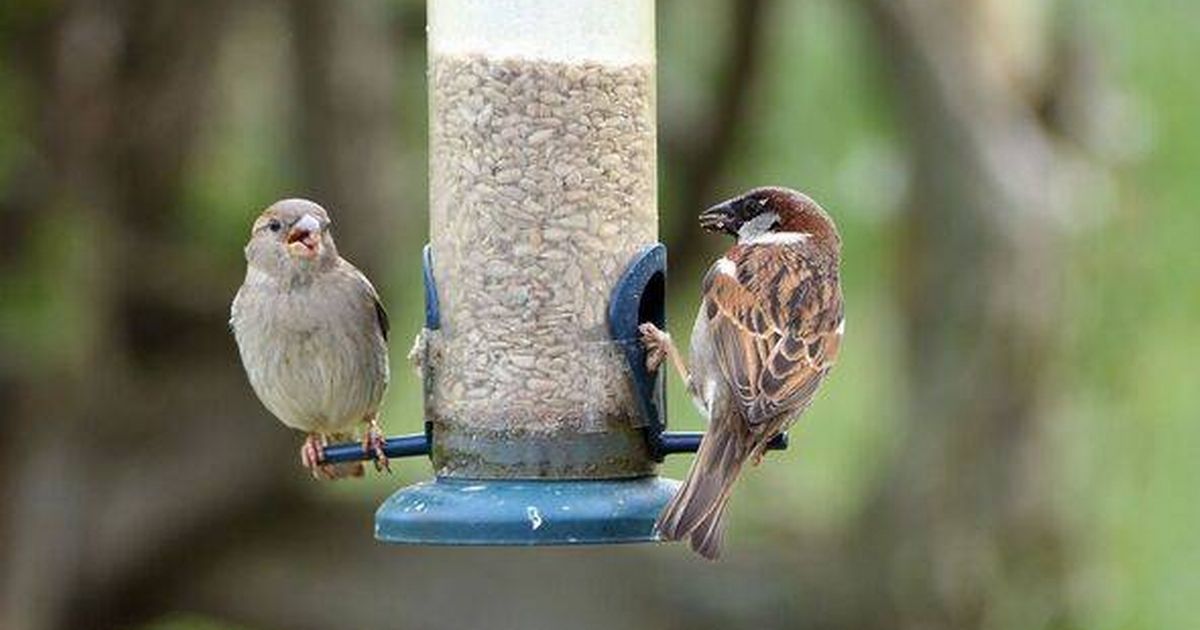
As the winter months draw on, gardeners are being urged to check their feeders for hidden dangers – and there’s one thing in particular you need to look out for Birds will love you if you feed them(Image: Getty)
Throughout the year, countless homes across the UK put out bird feeders to support wildlife and attract more birds to their gardens. However, as winter approaches, gardeners are being warned to inspect their feeders for hidden hazards.
Whilst birds certainly benefit from having extra food available during colder months, these feeders can easily transmit disease if they aren’t monitored regularly. To keep wildlife safe in your garden, there’s one crucial thing you need to remember.
Richard Green, a bird feeding expert from Kennedy Wild Bird Food & Pet Supplies is encouraging households to examine their bird food for warning signs, reports the Express.
The most vital thing to inspect is ensuring your bird food isn’t left out and becoming wet.
Richard said: “Once damp, within 24 to 48 hours, seed can harbour moulds, bacteria and parasites that spread illness among birds sharing the same feeding space.”
Ensure you recognise the warning signs of food that could make animals ill.
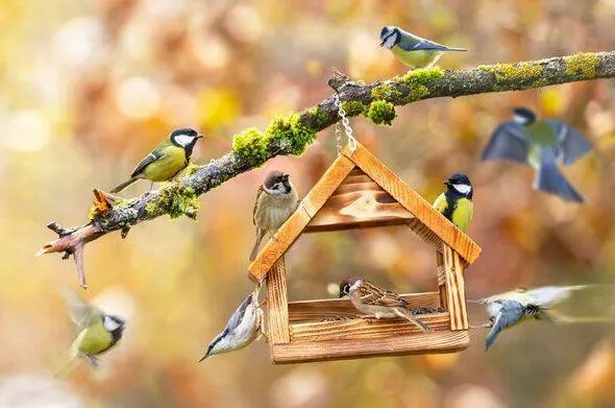 Bird feeders are a great ide abut they need proper maintenance(Image: Getty)
This includes seeds clustering together, alterations in colour or musty odours.
He continued: “Any black, green or white fuzz on the food means it should be discarded immediately.
“Even condensation inside a feeder can create the right conditions for mould growth, so drying feeders fully before refilling them is a must.”
If you spot that the seed you’ve provided for birds has become wet, it must be cleared away.
Even if it dries out, birds consuming the seed can still become unwell. Richard advised: “It should always be removed and disposed of, never dried out and reused, as it can carry mould spores and bacteria that remain active even after drying.
“Birds will sometimes eat damp seed naturally, but feeders concentrate the risk. Cleanliness is what makes garden feeding safe.”
If you’re in the market for a bird feeder, aim to purchase one that’s sheltered from rain to keep the food dry. It could also be beneficial to position it somewhere sheltered, like under eaves, patios or tree branches to minimise the risk of food getting wet.
Comments are closed.