
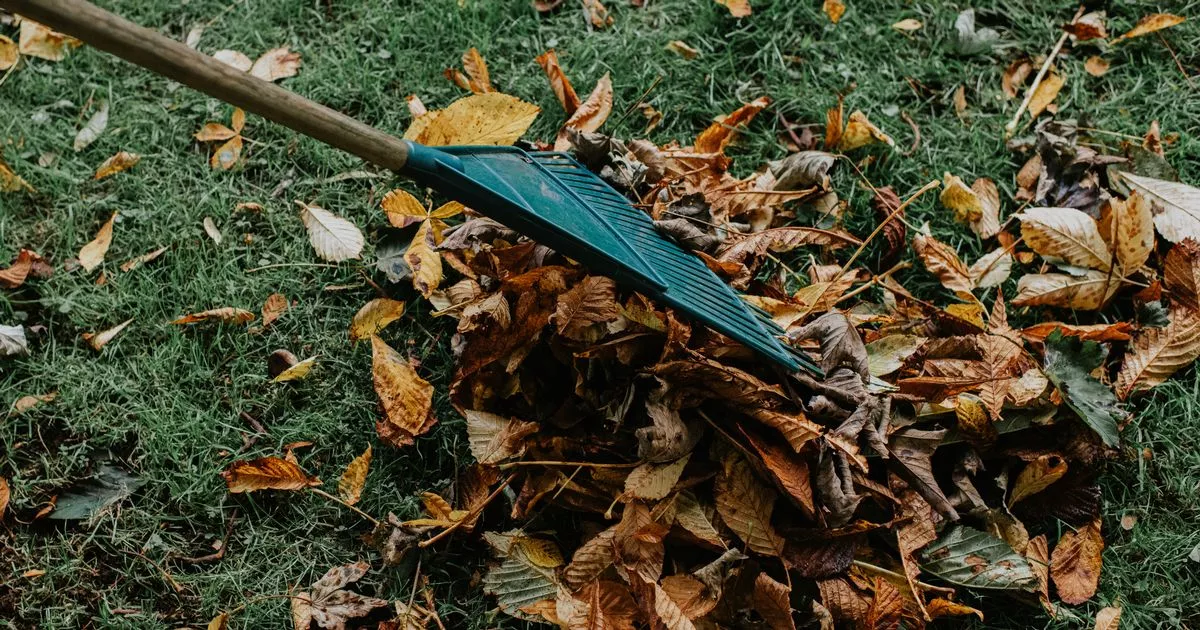
Your garden still needs attention during the colder months, but there are certain things you should avoid There are certain tasks that you should avoid doing during the colder months(Image: Getty Images)
As temperatures begin to fall across the UK, gardening experts are urging homeowners to start preparing for winter lawn care.
While many people consider autumn to be the end of the lawn maintenance season, how a lawn is looked after in the coming weeks and months can determine its health and appearance in spring.
Experts at GardeningExpress.co.uk have shared a list of essential do’s and don’ts to help keep lawns in great shape through the colder months, ensuring they bounce back ‘lush and green’ once spring arrives.
Failing to make simple seasonal adjustments such as clearing leaves, aerating the soil and applying a winter feed, can leave lawns vulnerable to frost damage and waterlogging – but there are some tasks that can also ruin your lawn.
Join the Manchester Evening News WhatsApp group HERE
“It’s a common misconception that lawns don’t need any care once the cold weather hits, but that’s not the case at all,” says Chris Bonnett, the founder of GardeningExpress.co.uk.
“The way a lawn is treated during the autumn and winter months has a big impact on how healthy and green it will look when spring arrives.
“Simple things like clearing away debris, aerating before the ground hardens, and applying a suitable fertiliser will help the grass recover faster.
“The key thing to remember is that lawns might look dormant, but the roots are still active below the surface. By taking care of those roots, you’re setting your garden up for success next year.”
Here are the do’s and dont’s of lawn care in the colder months:
Don’t cut the grass too short
“Mowing the lawn too short in cold weather exposes the roots and leaves the grass more vulnerable to frost and disease. As growth slows, raise the cutting height and mow less frequently to reduce stress on the grass,” the expert says.
Don’t walk on waterlogged or frosty grass
“Walking on the lawn when it’s wet or frosty can crush grass blades and compact the soil, leading to long-term damage and patchy growth,” Chris warns.
Don’t overwater
“During the autumn and winter months, rainfall is usually more than enough to keep the soil moist. Overwatering can saturate the ground and deprive roots of oxygen, leading to rot and disease,” he advises.
 Gardens still need attention during the winter months(Image: Getty Images)Do aerate the soil
“Aerating the lawn before the ground becomes too hard helps improve drainage and ensures oxygen, water, and nutrients reach the roots,” explains Chris.
“This strengthens the grass from below and helps it withstand frost and heavy rainfall through the winter months. A garden fork or lawn aerator can be used to gently spike the soil and relieve compaction.”
Do clear debris from the lawn
“Make sure to clear any debris from the lawn, such as fallen leaves or twigs. Debris can smother the grass, blocking out sunlight and trapping excess moisture that encourages moss and fungal growth,” he says.
Do apply winter fertiliser
“Switching to a winter or autumn-specific lawn feed helps protect and strengthen roots during cold weather. These fertilisers are typically high in potassium, which boosts disease resistance and frost tolerance,” says Chris.
Do overseed bare patches
“Autumn is an ideal time to repair any thin or patchy areas of grass before winter sets in. Overseeding allows new seedlings to establish roots in the mild, moist autumn weather conditions,” the expert recommends.
Sign up to our Manchester property newsletter here
Comments are closed.