
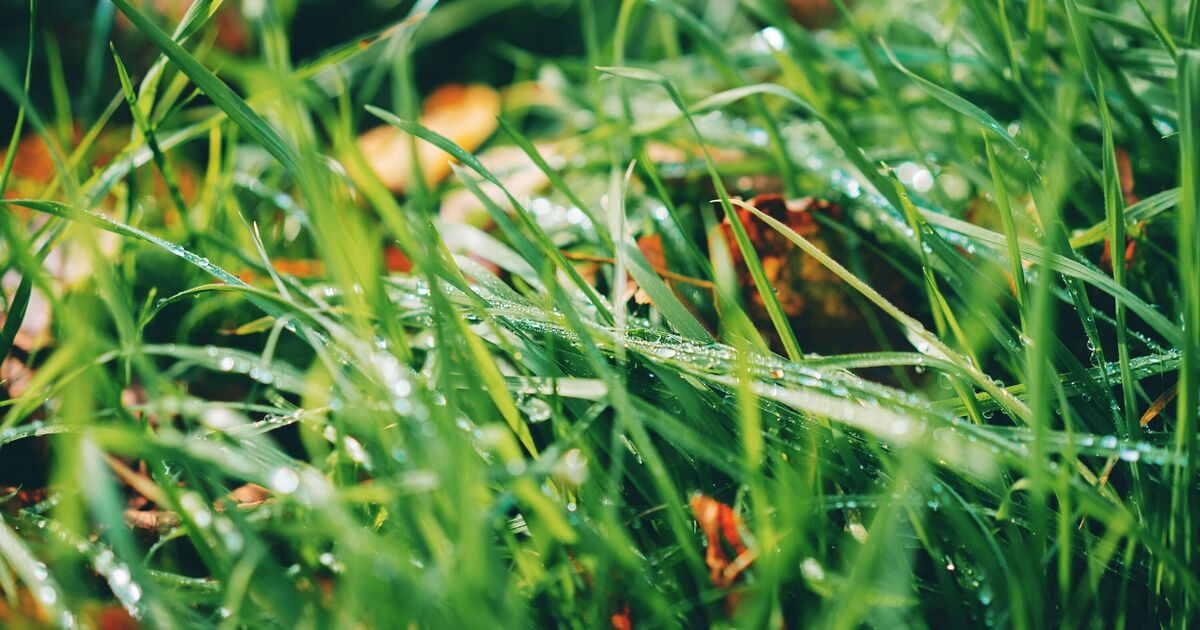
A lush green lawn is the star of most gardens, but many people fail to realise that November is the crucial time to maintain their grass’s health. The optimal time to fertilise your lawn is late autumn, providing the grass roots with the necessary nutrients to endure the winter and bounce back robustly in spring.
However, there’s no need to splash out on expensive chemical fertilisers. David, a gardening expert from Eagle Wood Farms, has shared how you can naturally enhance your lawn using “simple” ingredients that are safe for animals. David stated, “Organic homemade lawn fertiliser is the best option for lawn care when you have pets at home. These fertilisers help the grass grow naturally. They maintain a healthy environment as they are harmless to your pets.”
The key ingredients for a homemade fertiliser are carbon, along with the nutrients nitrogen and calcium.
David explained: “Organic homemade fertilisers improve the natural resistance of the grass towards pests and insects, and can greatly benefit the soil. The best way to make your own homemade fertiliser is through composting.”
Calcium
A homemade compost fertiliser should contain calcium as it strengthens grass roots and enhances drainage, allowing the grass to absorb nutrients, sunlight or water more efficiently.
David said, “Calcium is the single most important mineral needed for plant and soil nutrition. When calcium is flowing in your soil, everything is flowing.”
Crushed eggshells provide an excellent source of calcium for lawns. Simply wash the shells thoroughly to remove any yolk, which could attract unwanted pests.
Place them in the oven until completely dried, then crush them into small fragments. Alternative natural calcium sources include oyster shell powder, limescale and calcium sulfate for those seeking different options.
Nitrogen and carbon
Ensuring adequate nitrogen levels is equally crucial, as this nutrient contains chlorophyll, which gives grass its rich green hue.
Beyond aesthetics, nitrogen helps grass grow more densely, preventing weeds and moss from taking hold whilst boosting overall health to keep disease at bay during the winter months.
Coffee grounds offer one natural solution, though their high acidity means they must be used sparingly, and their toxicity to pets may deter some gardeners.
Alternatively, grass clippings and decomposing leaves on your lawn serve as natural nitrogen sources. Simply chop them up and distribute evenly to ensure rapid decomposition. Whole, unshredded foliage left in heaps can prevent sunlight from reaching the grass beneath.
Autumn leaves are a great source of carbon, which gives grass more energy so it can stay fuelled and healthy to survive the harsh winter weather.
Comments are closed.