
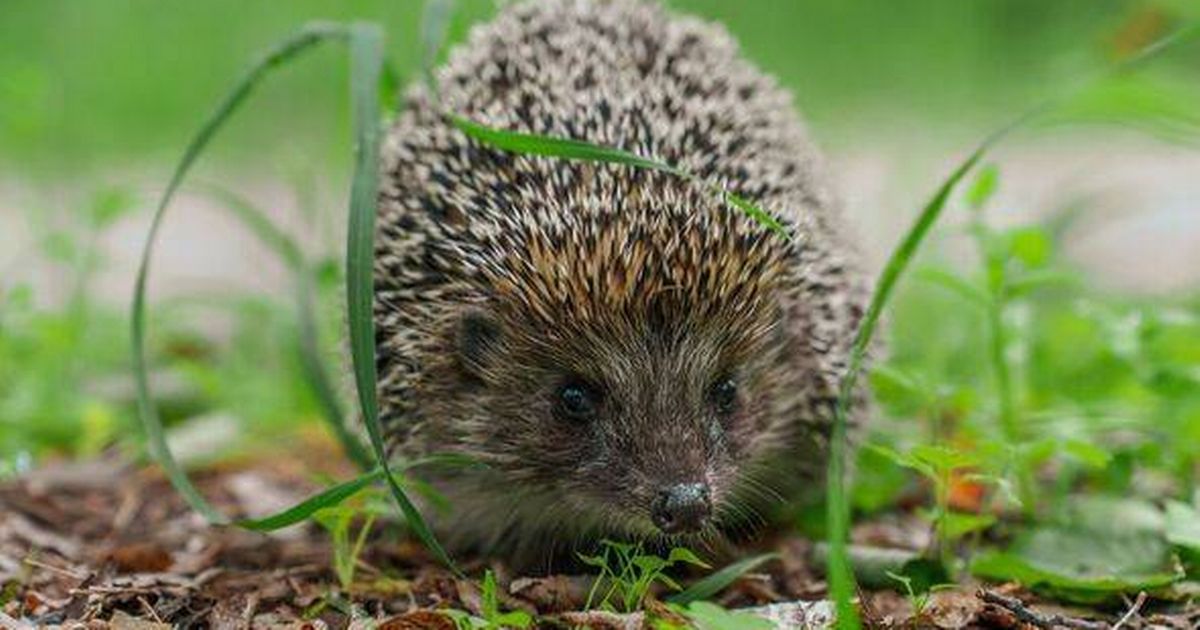
During the autumn, it is crucial to take steps that help hedgehogs as they face extinction in the UK. Some simple measures can also enhance your garden’s soil quality
Vita Molyneux Travel reporter
15:00, 29 Oct 2025Updated 15:05, 29 Oct 2025
 (Image: Getty)
Halloween, falling on Friday, October 31, often leaves many Brits with a surplus of hollowed-out pumpkins once the celebrations are over.
Many people believe that throwing them into the garden for animals to feast on is an excellent way to repurpose them.
However, pumpkins can pose a significant risk to British wildlife and can even be fatal.
When eaten by hedgehogs, they can cause digestive issues and dehydration, which could lead to death.
Considering the threat of extinction faced by hedgehogs in the UK, it’s vital to take measures that support their survival, according to the Express, reports the Mirror.
Josh Novell, Director of Polhill Garden Centre and gardening expert, has shared a straightforward method to protect animals while improving your garden’s soil quality.
He stated: “Every year, tonnes of pumpkins end up in the bin when they could be doing wonders for your soil.
“Pumpkins are rich in nutrients like nitrogen, potassium and phosphorus, all of which are essential for healthy plants.
“By digging them into your garden instead of throwing them away, you’re giving your soil a free, organic boost for next season.”
Instead of discarding them or adding them to the compost heap, gardeners should cut up their carved pumpkins and bury them underground.
“This helps with drainage, moisture retention and plant growth, which is especially useful before winter sets in,” Josh explained.
This also safeguards wildlife from harm, as they’re far less likely to come across the pumpkin and eat it.
To tackle this gardening task, you’ll first need to ensure your Halloween pumpkins are immaculate. Any traces of paint or glitter can be harmful to the soil, so make sure only spotless pumpkins are used.
He stated: “Anything decorative or treated can contaminate the soil or harm wildlife.”
Secondly, make sure the pumpkin is cut into small pieces. “Large pieces take much longer to decompose. Cutting them into fist-sized chunks or smaller helps them break down quickly and release nutrients evenly into the soil.”
Josh added: “One of the biggest mistakes people make is scattering pumpkin pieces across the surface; that’s an open invitation for rats and slugs. Always bury your pumpkin a few inches deep in the soil as this keeps pests away and helps the microbes get to work faster.”
Ensure that if you choose to dig pumpkins into your garden that you incorporate some dry material too such as leaves or old compost. This will stop the soil from becoming slimy and will balance out the carbon and nitrogen levels in the soil.
If you wish to leave pumpkin out for wildlife in the garden, exercise caution, Josh warned: “Pumpkins can upset hedgehogs’ and deers’ digestive systems. If you do want to share with wildlife, leave only small, fresh portions out for a short time and make sure they’re not mouldy.”
Comments are closed.