
Rachel Schaffer
| Special to the Observer-Dispatch
As the fall growing season comes to a close and we move close to the winter season, many gardeners instinctively reach for pruners or rakes to clean up their garden beds.
In Central New York, where winters are long and snow-covered, the help you offer through intentional winter gardening could mean the difference between survival and starvation for many species.
Insects and birds depend on fall and winter landscapes for food, shelter, and nesting material. By intentionally leaving some plants standing and adding a few supportive features, you can transform your winter garden into a haven for these necessary creatures.
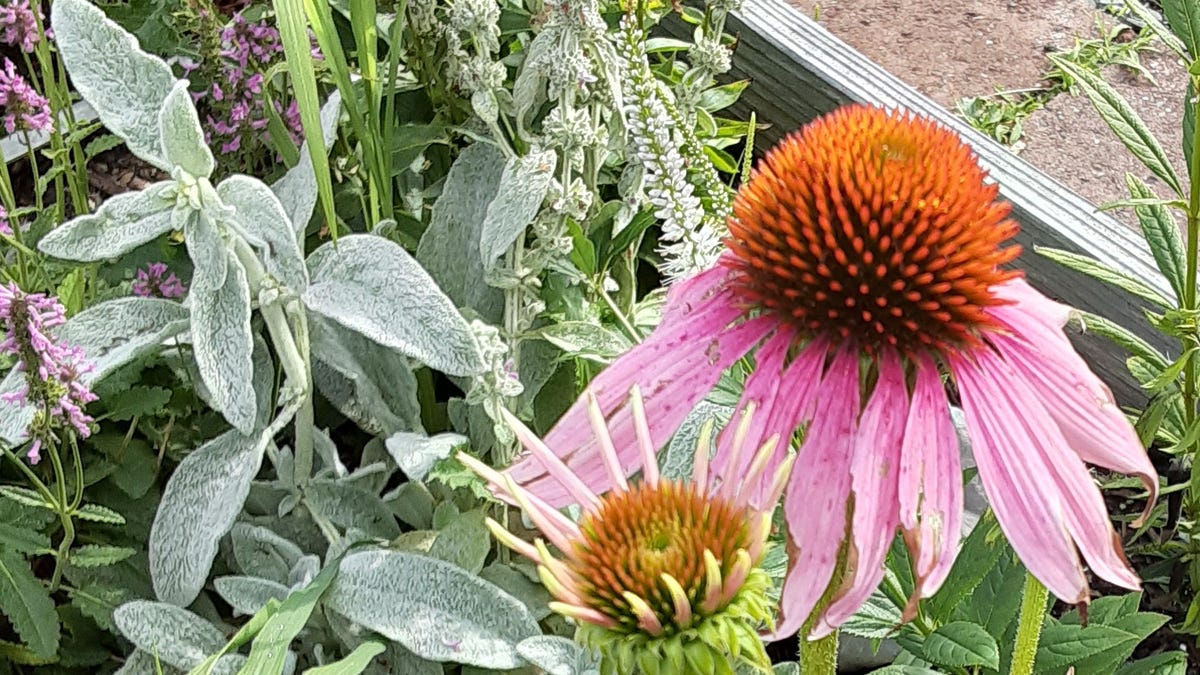
Seed heads, dried flower stalks, and ornamental grasses may look brown and brittle to us, but to overwintering birds and insects, they are essential survival tools. Native plants like coneflowers (Echinacea), black-eyed Susans (Rudbeckia), and goldenrod (Solidago) hold onto seeds well into the snowy months, providing vital food for birds like chickadees, finches, and sparrows.
Stalks and hollow stems also act as natural shelters for overwintering insects like native bees and ladybugs. Many beneficial species tuck themselves into the hollow spaces of dead stems to stay insulated from the cold.
In addition to preserving natural food sources, adding supplemental bird feeders in late fall can support your local bird population. Black oil sunflower seeds, safflower, and suet cakes are excellent winter staples. Hang feeders in sheltered locations and clean them regularly to prevent disease.
Just as important as food is water, which is often overlooked in winter gardens. A heated bird bath or even a shallow dish refreshed daily can be a lifesaver when natural sources freeze. Place water features near shrubs or brush piles to offer birds quick escape routes from predators.
For shelter, evergreen shrubs, brush piles, or even decorative bundles of twigs and pine boughs can offer much-needed protection from wind and predators. If you have space, leaving a section of your yard “wilder” — with leaf litter, log piles, or a native hedgerow — can create an incredibly rich overwintering habitat.
Choosing to support birds and insects over winter is not about aesthetics — it is about ecological stewardship. So, this year, let the seed heads stand tall. Watch the finches feast. And know that even under a blanket of snow, your garden is alive — and giving back to our wildlife.
Cornell Cooperative Extension Oneida County answers home and garden questions which can be emailed to homeandgarden@cornell.edu or call 315-736-3394, press 1 and ext. 333. Leave your question, name, and phone number. Questions are answered on weekdays, 8am to 4pm. Also, visit our website at http://cceoneida.com/ or phone 315-736-3394, press 1 and then ext.100.
Comments are closed.