
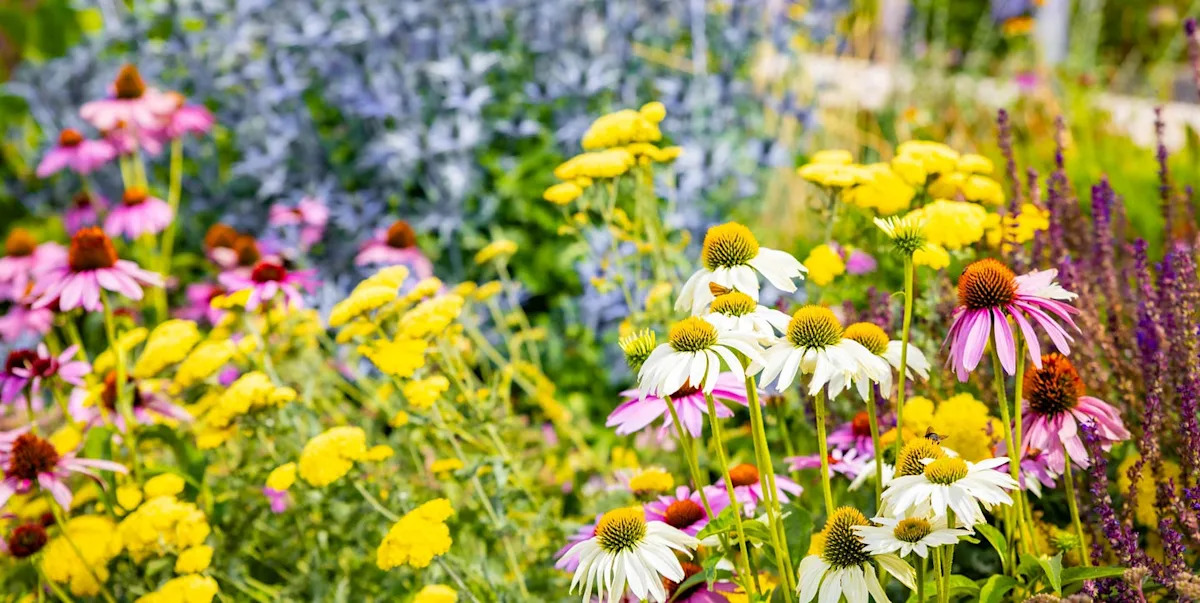
Pruning perennials is a key gardening job to tick off before winter sets in, but according to the experts, many of us are making a common mistake when cutting them back.
‘Whilst you might want to trim longer stems and dead flowers off during the autumn, leaving perennial plants in beds and pots to rot down naturally during the winter months has a great benefit to wildlife – and also helps enrich soil,’ says Lucy Taylor from Vine House Farm Bird Foods, who urges gardeners to step away from the secateurs.
Leaving your perennials to stand through winter returns nitrogen and carbon to the soil. Plus, it provides essential shelter for insects and birds when foliage is sparse.
‘The benefit to wildlife comes from the fact that the ground immediately below the rotting vegetation is at least partly protected from frost, with this allowing invertebrates such as insects to shelter or hibernate, which in turn become food for birds,’ adds Lucy.
Annie Otzen – Getty Images
‘Worms will also remain closer to the surface of the protected ground as they consume the rotting vegetation, which then also makes them food for birds, including robins and blackbirds.’
As well as perennials, fallen leaves also come in handy, offering vital food and protection to hungry wildlife visitors.
‘We’ve long had a bit of an obsession in the UK for clearing up fallen leaves in our gardens and then disposing of them, but attitudes are changing,’ adds Lucy. ‘Create piles of leaves in the corners of your garden, spread them onto borders, or, except for paths and patios, just let them remain where they’ve fallen.’
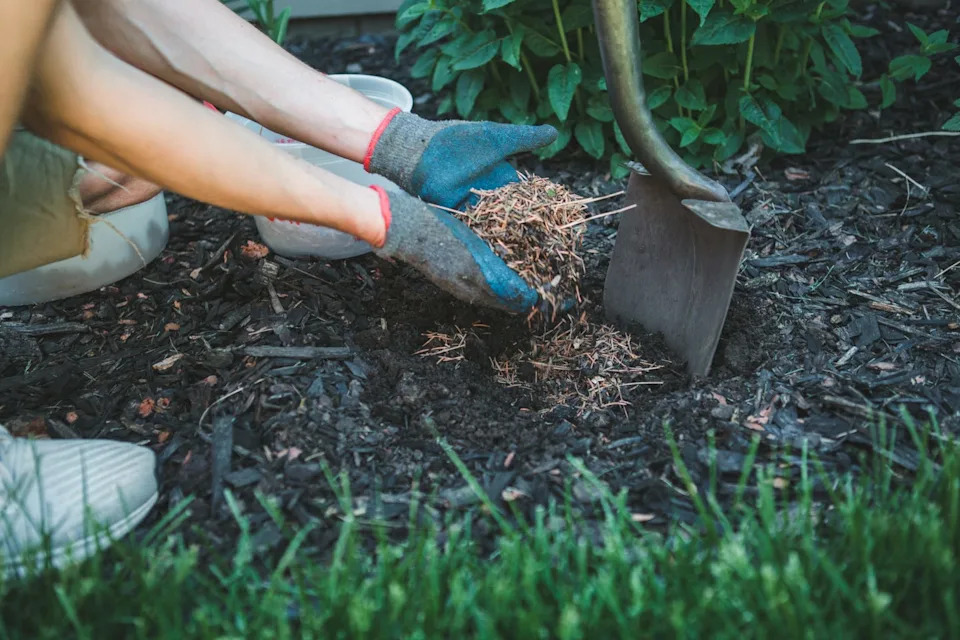
You could also collect leaves and store them in a bin bag until next year. This will create a free, homemade mulch for you to use around borders in spring.
Follow House Beautiful on TikTok , Instagram and Pinterest
David Beckham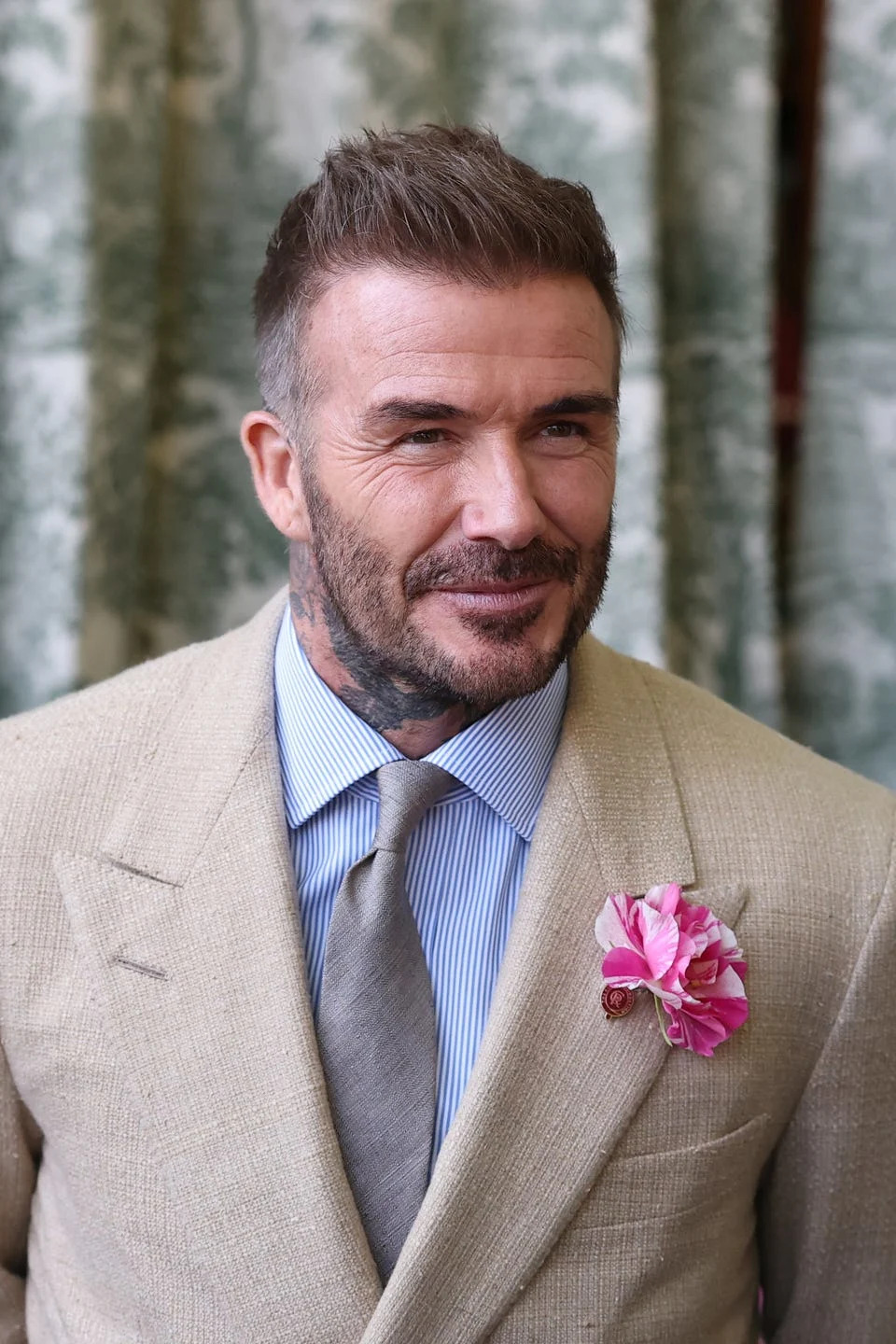
Photo credit: WPA Pool – Getty Images
David Beckham is a dedicated gardener at his Cotswolds home, where he tends to a large vegetable patch and enjoys harvesting produce like carrots, courgettes and onions himself.
You can follow all of his green-fingered projects over on his Instagram, and his wife Victoria Beckham frequently shares updates on her Stories, too.
Jo Whiley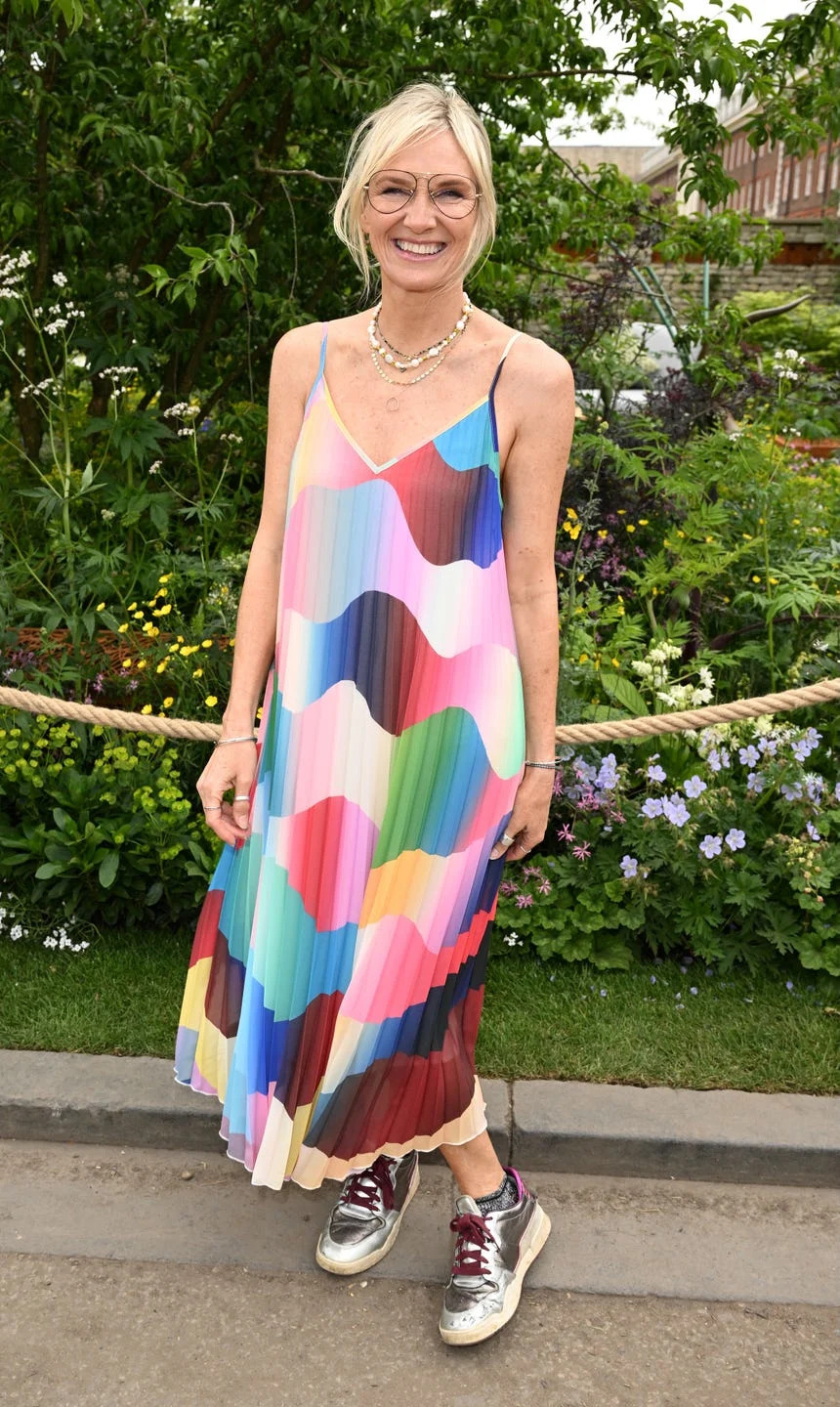
Photo credit: Jeff Spicer – Getty Images
Jo Whiley is not only a celebrated broadcaster but also a passionate gardener. She has spoken about the joy she finds in her garden, particularly in creating naturalistic planting schemes and encouraging wildlife – and she has even collaborated on several RHS garden over the years.
Follow her on Instagram for the occasional tour of her garden.
Kate Moss
Photo credit: Edward Berthelot – Getty Images
In 2022, former supermodel Kate Moss left the hustle and bustle of London behind and permanently relocated to her Cotswolds home in Little Faringdon, where she reportedly grows her own veg. More of a secret gardener, Kate doesn’t post about her green activity, but you can find numerous photos of her countryside plot online.
Will Young
Photo credit: C Brandon/Redferns – Getty Images
Pop Idol’s first-ever winner, Will Young, is not just passionate about singing. His garden makes a frequent appearance on his Instagram feed and he has spoken about how spending time surrounded by greenery helps him ‘deal with his PTSD’.
Stacey Solomon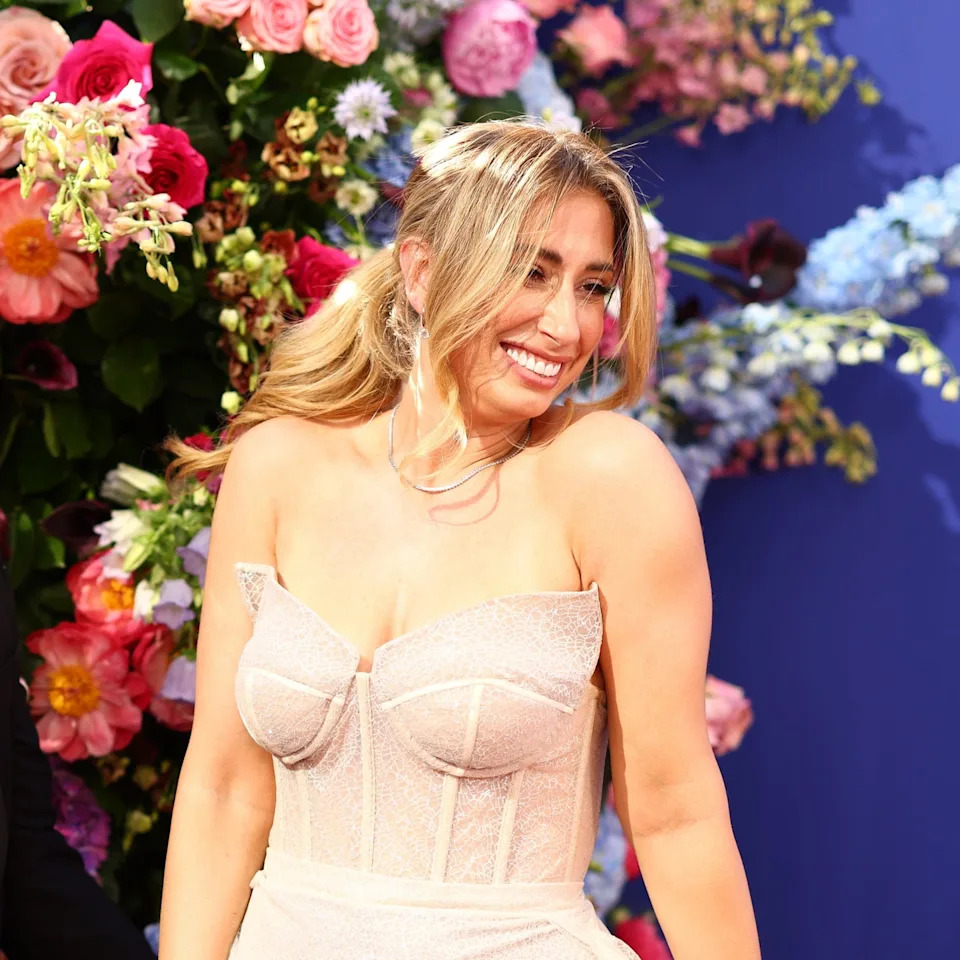
Photo credit: Tim Whitby/BAFTA – Getty Images
When Stacey Solomon doesn’t look glamorous on TV, she is an avid hobby gardener, who says growing her own vegetables and keeping chickens ‘feed her soul’. On her Instagram, you’ll find countless photos shared from her garden, whether it’s Stacey beaming next to her homegrown brassicas or cuddling her toddlers among daffodils.
Jim Carter
Photo credit: John Phillips – Getty Images
The Downton Abbey actor discovered his love of gardening during the pandemic, when he and his wife Imelda Staunton spent all of their time outside. In 2023, Jim campaigned for gardening and horticulture to be added to the national curriculum, saying ‘Children need to put their phones away and get out into the garden.’
You Might Also Like
Comments are closed.