
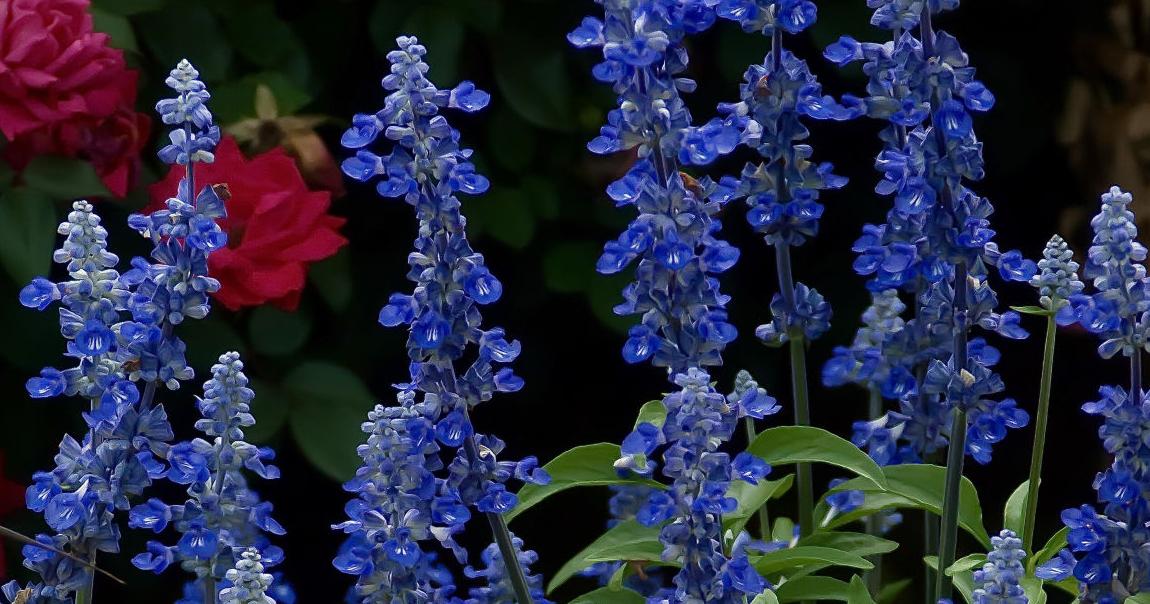
Is it now OK to take salvia out of one bed and put them in another? Can I add porterweed to a flowerbed at this time? — Barbara
You may try and move the salvias now, although it would be better to wait until the weather is cooler in November. This will help to relieve stress on the newly transplanted plants. Be sure to move them with as much of their roots as you can get. Whether they survive the move depends on getting enough roots.
The salvias likely will experience transplant shock due to damage to their roots. They may wilt and struggle. Water regularly enough to keep the soil moist — but don’t water excessively. Keeping the soil soggy will encourage root rot.
Actually, the best time to move the salvias is in March. Plants are generally smaller after being killed back by the winter and that makes the process easier. And the cool weather at that time helps relieve transplant shock.
You may plant porterweed now.
I’d like to get my soil tested to see if there’s an unhealthy amount of copper, lead, arsenic, etc. in soil that was under an old pile of treated lumber. Considering expanding a vegetable plot to that area. Can I get this done through the LSU AgCenter. Thanks! — Dwight
Yes, the LSU AgCenter Soil Testing Lab can test for those elements. Check out the website of the Soil Testing Lab and you will find lots of helpful information on what they test for, forms, fees and how to collect and submit soil for testing. Simply do an internet search using LSU AgCenter Soil Testing Lab and click on the link.
You can also obtain soil testing kits from your parish LSU AgCenter extension office. These kits include forms and directions on how to take and submit soil samples. Understanding the fertility, texture and pH of soil is important when gardening, and all gardeners are encouraged to test the soil in their flowerbeds, shrub beds, vegetable garden and lawns. The information is important when determining what fertilizers to use and selecting plants.

Wait until March or April to prune back overgrown azaleas.
STAFF PHOTO BY TRAVIS SPRADLING
I have azalea and camelia bushes planted across the front of my house. The azaleas have grown too large and need to be cut back. The camellias are a low-growing type. They are planted in front of the azaleas, and they also need to be cut back to control their size. When is the best time to do this? — Donnalee
Prune the azaleas after they finish blooming, generally in late March or April. You can continue to trim back azaleas until mid-July — unless they are Encore azaleas. Those should only be pruned after they finish blooming in spring. You may do major pruning to camellias in the spring after they finish flowering, generally around March or April. You may trim the camellias as needed until June. Then stop to allow flower bud formation.
Once you have decided how tall you want the azaleas and camellias to be, prune them annually to hold them to that height. Prune them each spring, and then do light trimming back through midsummer, if needed. It is easier to control the size of shrubs and much healthier for the plants if they are pruned less extensively annually rather than allowing them to get overgrown and then having to cut them back hard.
Sweet peas
Pixabay photo
Garden tips
SWEET PEAS: Plant sweet peas now through November. If you wait until in the spring, they will not have time to grow and bloom before hot weather sets in. Choose a sunny location at the base of something they can climb on such as a chain-link fence or lattice work. Sweet peas planted now generally will begin to bloom in March and last until early May.
FOR THE BIRDS: Birds will peck on the fruit of citrus trees as it begins to ripen. The damage looks like an ice pick was driven repeatedly into the skin of the fruit causing blemishes, often in patches. If you see this occurring, you can prevent additional damage by covering your tree with bird netting.
PLANTING SEEDS: You can direct seed poppies, larkspur, sweet pea, calendula, alyssum, bachelor’s button and Virginia stock now.
BULB TIME COMING: November through early December is the time to plant spring-flowering bulbs, such as allium, anemone, calla lily,* crocus, daffodil,* Dutch iris,* grape hyacinth, leucojum,* lilies* (Easter lily, Asiatic lily and others), narcissus,* ornithogalum,* Peruvian scilla,* ranunculus, Spanish bluebell,* sparaxis and spring star flower.* (Those marked generally will rebloom for many years). Tulips and hyacinths are exceptions that are planted later. They should first be chilled in the vegetable bin of your refrigerator for six to eight weeks and are planted in late December through mid-January.
WATER, WATER, WATER: The weather continues to be dry, and you should consider irrigating lawns and beds. Check your outside container plants frequently. At least it’s cooler.
Comments are closed.