
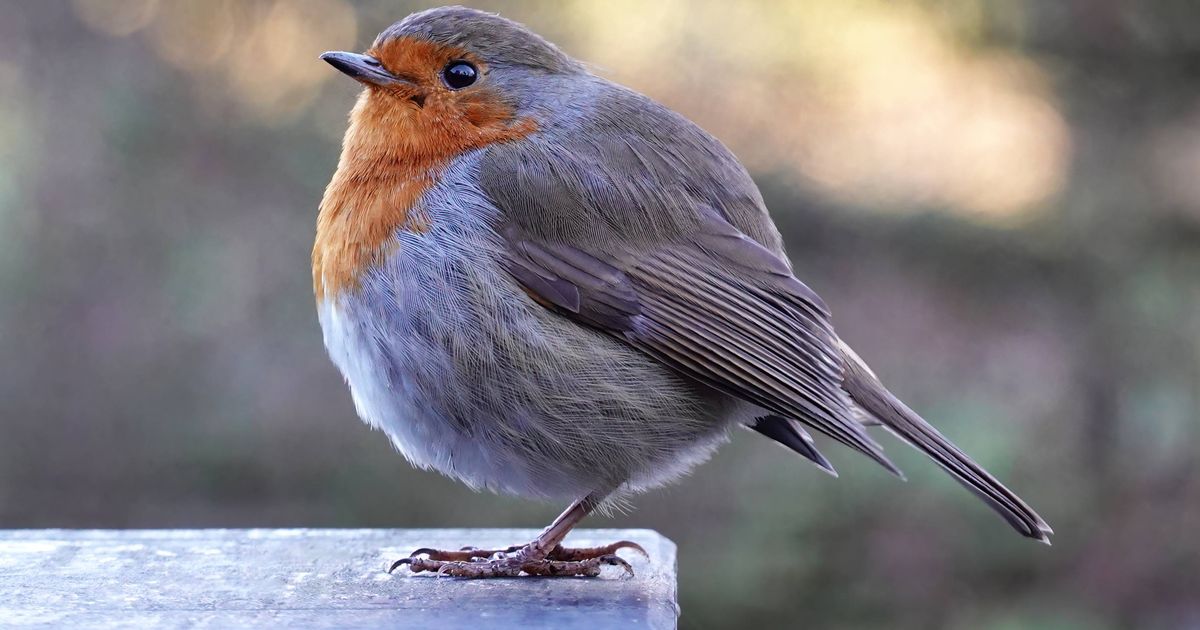
Robins are a common sight in gardens across the UK, but there is one tree you can plant to ensure they keep coming back
11:18, 14 Oct 2025Updated 11:19, 14 Oct 2025
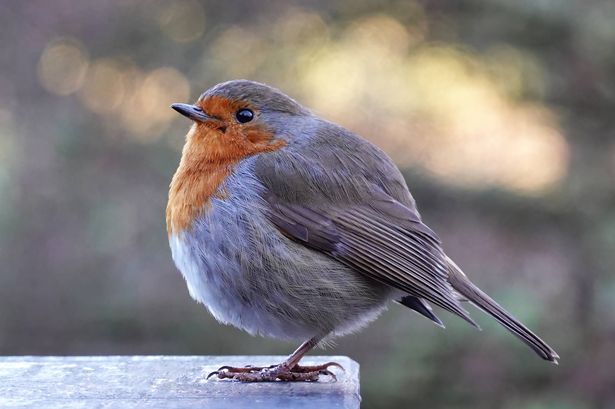 Robins are a sight to behold when they are in a garden(Image: Nigel Harris via Getty Images)
Robins, commonly associated with the winter season, are in fact found throughout Britain all year long. Their primary food source, earthworms, retreat deeper underground when temperatures soar and conditions turn dry, making it difficult for robins to find them, no matter how diligently they search the soil.
Investing time and energy into providing sustenance for these vulnerable birds can dramatically improve their chances of survival during the summer period and ensure they continue visiting your gardens throughout the year. However, there is one specific tree that will guarantee their return to your garden boundaries.
The serviceberry tree produces fruit during the summer and remains a favoured option for the humble robin, according to All About Birds, reports the Express.
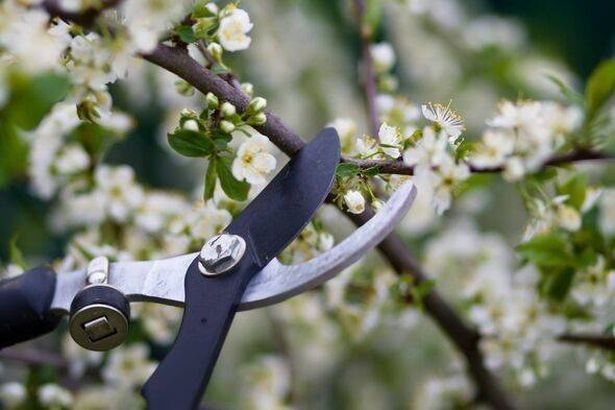 The serviceberry tree remains a favoured option for the robin(Image: Getty Images)
Wild Ones describes the tree as a “four-season winner,” declaring that it “is a favourite of both native landscapers and bird lovers.”
The website highlighted the tree features a “froth of delicate white blossoms in early spring, luscious blueberries by June, apricot to reddish bronze fall colour, and silver-grey bark for winter interest”.
It added: “Birds descend in droves to feed on ripening serviceberries… [lots of] species of birds have been documented feeding on these delicious fruits.
“Without question, serviceberries are one of the top plants for birds.”
However, if you also keep a bird feeder, stay alert as shrubs, trees and even flower borders can provide perfect hiding places for cats, and most birds won’t feel safe if a feeding station is too close to the ground or next to any vegetation.
Positioning a bird feeder near plants can stress birds and make them less likely to return to your garden, while also potentially damaging your outdoor space.
Setting a bird feeder near your flowerbeds or crops could expose the greenery to bird droppings, which can increase the risk of bacteria, disease or other germs infecting plants.
It’s wise to place your bird feeder in a shady spot in your garden to keep birds cool, but ensure it’s far from plants and even fences and sheds to prevent cats from reaching it.
Robins also enjoy fruits, sunflower seeds, crushed peanuts, but they particularly love mealworms, so stocking these will attract them to your garden.
Providing robins with a reliable food source now increases their chances of staying healthy and surviving once the colder weather sets in.
Taking the time to assist them now will ensure your garden becomes a favourite haunt for them.
Comments are closed.